
British Rail Class 180 Adelante
A fleet of high-speed diesel‑hydraulic multiple units built by Alstom in 2000–01. Fourteen five‑car trains known for early reliability issues, later refurbished and used by several UK long‑distance operators.
The British Rail Class 180, marketed under the name Adelante, is a group of high‑speed diesel multiple units constructed by Alstom at its Washwood Heath works around 2000–01. Fourteen five‑car sets were built to provide fast regional and intercity services on non‑electrified routes. They belong to Alstom’s Coradia 1000 family and were intended to offer higher speeds and improved passenger comfort compared with older diesel units.
Image gallery
10 Images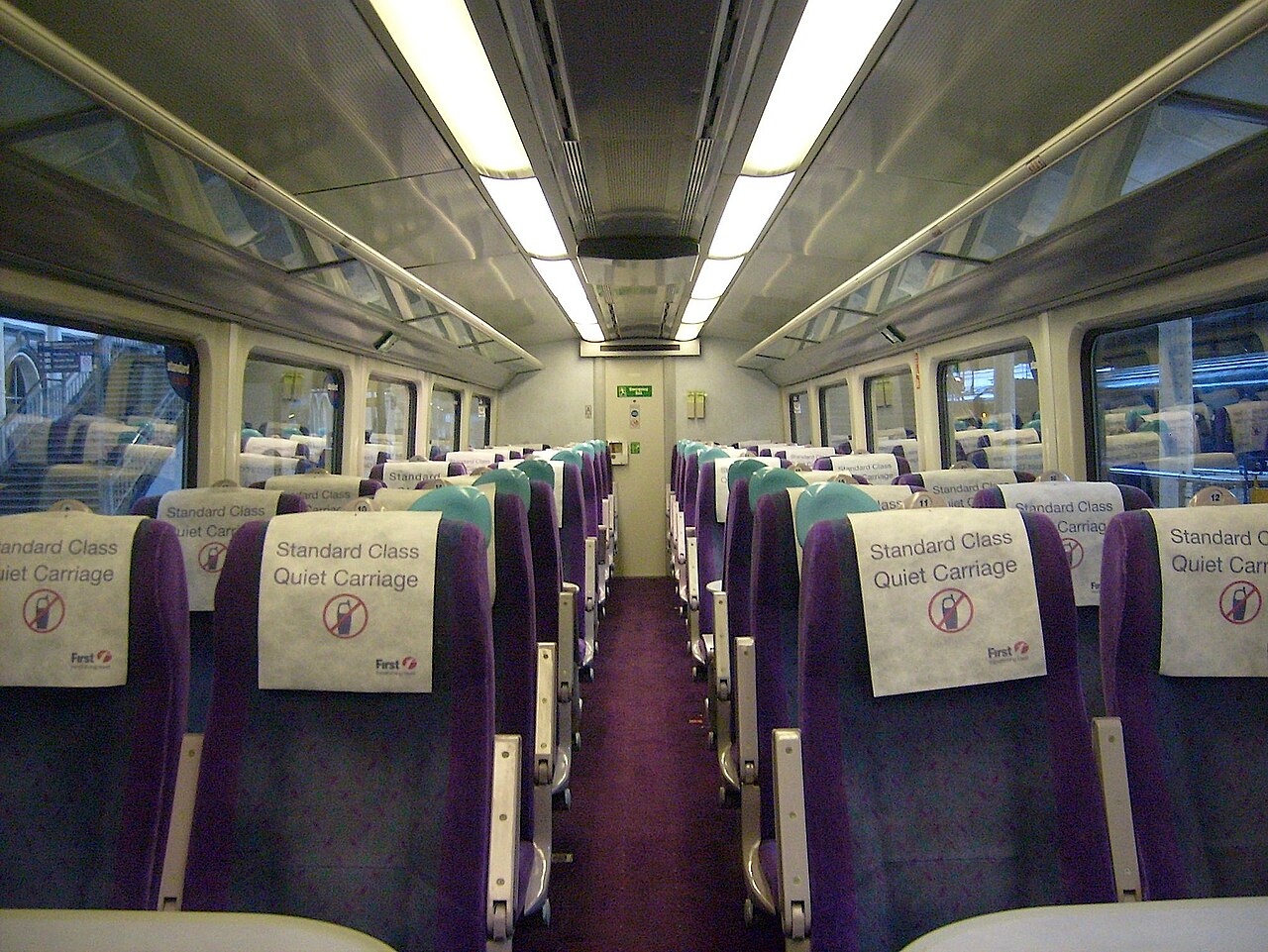


Characteristics
- Manufacturer: Alstom (Washwood Heath) and part of the Coradia 1000 product range.
- Formation: five cars per set (standard fixed formation for the class).
- Power type: diesel‑hydraulic multiple unit designed for high‑speed regional/intercity duties.
- Service role: long‑distance and fast regional services on routes without continuous electrification.
- Performance: designed for high line speeds suitable for express timetables on the UK network.
History and development
The Class 180s were introduced at the turn of the 21st century as part of a wider programme to renew diesel traction on key routes. They were acquired for use by First Great Western to operate express services on routes where electrification was not available. Soon after introduction, a series of technical and reliability problems affected the class. These issues included recurring mechanical and systems faults that reduced availability and disrupted timetables.
Because of their poor reliability, First Great Western returned all units to the leasing company Angel Trains in 2008–09. After a period in store and further engineering work, the fleet was progressively re‑introduced into traffic under leases to a number of different operators rather than returning en masse to the original operator. The class’s later operational history has therefore been shaped by redistribution and refurbishment efforts aimed at improving dependability.
Operators and use
- First Great Western (initial operator and original operator for the fleet).
- Hull Trains (took some units on lease to operate open‑access long‑distance services).
- Grand Central (another open‑access operator which leased refurbished units; see Grand Central).
- East Midlands Railway (received units transferred from Hull Trains after later fleet changes).
- Other short‑term leases and transfers have been used to fill gaps in fleets or to allow operators to expand services without new builds.
Distinctions, comparisons and legacy
The Class 180 is related by design family to the Class 175, both being members of the Coradia 1000 family, but they differ in internal fittings and intended duty profiles; see also the Class 175. Unlike some contemporary UK high‑speed DMUs, the 180s were not fitted with active tilting equipment, their advantages deriving instead from higher maximum speeds and more modern onboard facilities compared with earlier generations.
Although their early reputation was marred by reliability concerns, successive refurbishment programmes and targeted engineering work have allowed many Class 180 sets to return to useful service. They illustrate a common pattern in modern rolling stock life cycles: initial introduction, technical teething problems, withdrawal or storage, then rework and redistribution between operators. The class continues to be of interest for operators needing relatively high‑speed diesel traction on routes where electrification is incomplete.
For further technical context and lineage within Alstom’s regional sets, readers can consult materials on the broader Coradia family and related multiple units.
Related articles
Author
AlegsaOnline.com British Rail Class 180 Adelante Leandro Alegsa
URL: https://en.alegsaonline.com/art/14363