
Norilsk oil spill (May 2020)
A major diesel fuel spill near Norilsk, Russia, in May 2020 released 21,000 cubic metres of oil into Arctic rivers, prompting emergency measures, cleanup efforts and investigations into causes and responsibility.
Overview: In late May 2020 a fuel storage tank at the Thermal Power Plant No. 3 near Norilsk, in northern Russia, failed and released a large quantity of diesel into nearby waterways. Authorities estimated the spill at about 21,000 cubic metres (740,000 cu ft). The event was widely described as an industrial disaster and led to a state of emergency declaration by national authorities. For background and initial reports see the incident summary and a general regional overview.
Image gallery
4 Images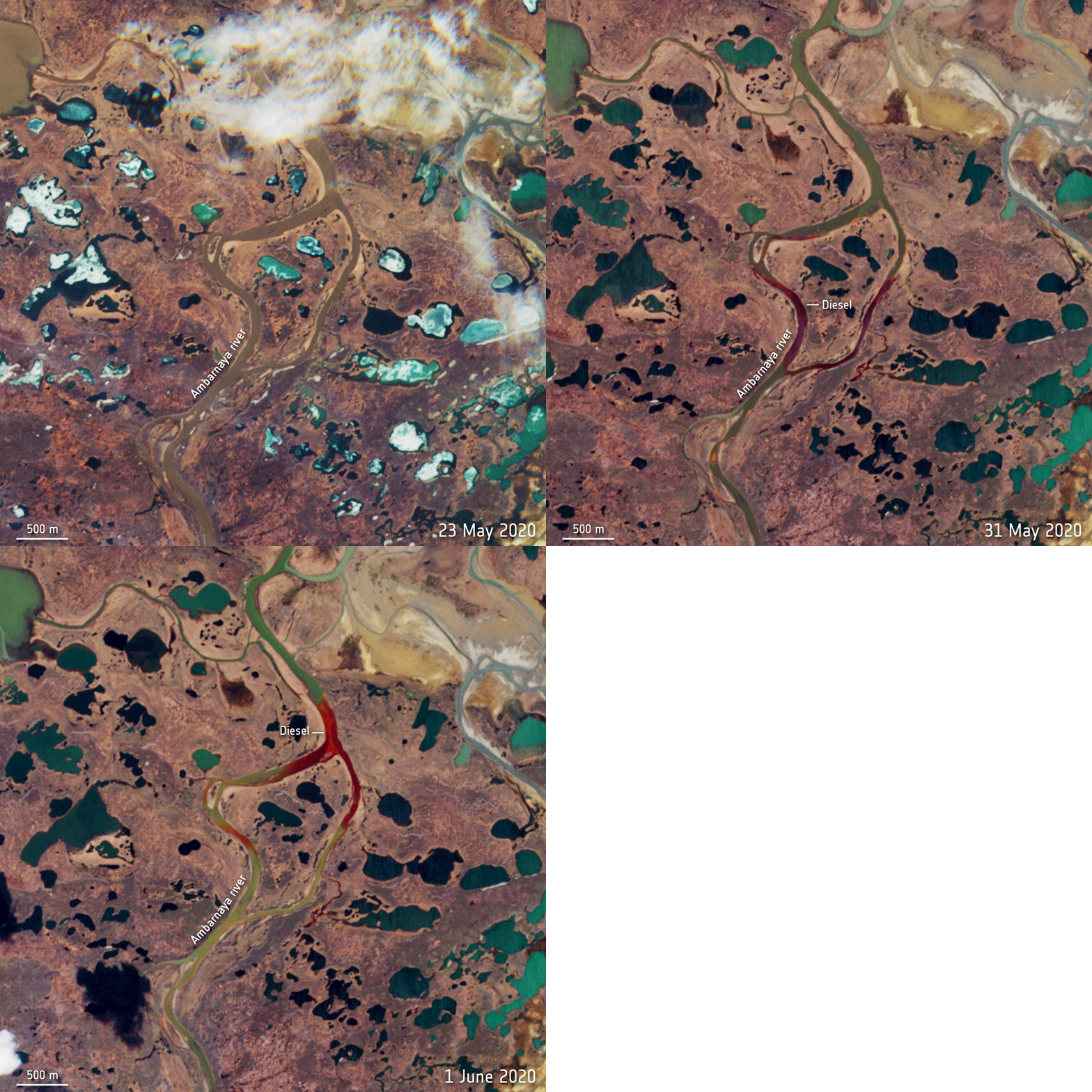



What happened and likely causes
The failure occurred when a storage tank at Norilsk‑Taimyr Energy's facility was compromised, allowing diesel to escape and flow into local rivers. Investigations pointed to structural failure of the tank foundation; experts and reports noted that thawing ground and changing permafrost conditions in the Arctic may have contributed to weakening the tank supports. Early technical analyses and company statements are available from the plant operator and regulators (operator notice, regulatory summary).
Environmental impact
The spill contaminated several rivers and tundra near Norilsk, damaging aquatic habitats and threatening species dependent on Arctic waterways. Local communities and scientists raised concerns about long‑term ecological effects, including water quality, impacts on fish populations, and the difficulty of restoring remote, cold‑climate ecosystems. Independent coverage and environmental assessments were published in the weeks after the event (environmental report).
Response and cleanup
Russian federal and regional agencies coordinated emergency response and containment work, with cleanup operations involving mechanical recovery, shoreline collection and monitoring. The scale and remoteness of the site complicated efforts, requiring specialized equipment and seasonal considerations. Multiple organizations and contractors participated in remediation; official statements and updates were issued by authorities and the operating company (cleanup updates).
Legal, corporate and long‑term consequences
Authorities opened administrative and criminal inquiries to determine responsibility and whether safety rules were violated. The incident prompted scrutiny of Arctic industrial infrastructure, policy debates about permafrost risks, and calls for improved standards and monitoring for storage facilities in cold regions. Follow‑up material and policy analyses have been produced by governmental and independent bodies (policy review).
Notable facts: the spill highlighted vulnerabilities of Arctic infrastructure to climate and ground‑temperature changes, underscored challenges of rapid response in remote areas, and stimulated broader discussion about environmental safeguards for industrial operations in fragile ecosystems.
Author
AlegsaOnline.com Norilsk oil spill (May 2020) Leandro Alegsa
URL: https://en.alegsaonline.com/art/143442