
British Rail Class 105 diesel multiple unit
A first-generation British Rail diesel multiple unit built by Cravens of Sheffield from 1956–1959; Mark 1‑style bodywork, used on local and regional services and retired from passenger use by 1988.
The British Rail Class 105 was a family of first-generation diesel multiple units constructed by Cravens Ltd. of Sheffield between 1956 and 1959 as part of British Railways' postwar modernization program. These units were built with a body profile and external fittings that matched the British Railways Mark 1 coaching stock, sharing the same door and window arrangements. For further technical description see Class 105 overview and information about the builder at Cravens in Sheffield.
Image gallery
5 Images


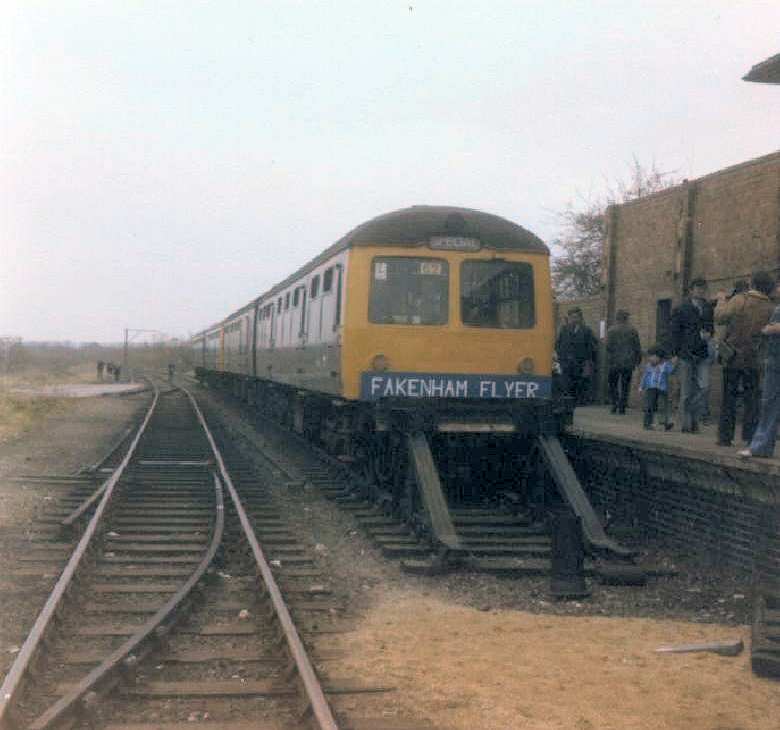
Characteristics
Class 105 vehicles were designed for short to medium-distance passenger work on branch and regional routes. They featured metal-bodied carriage construction consistent with the era's standards, passenger seating arranged for frequent-stop services, and gangways to allow through movement between cars when coupled. The power transmission and mechanical details follow the common patterns of 1950s DMU design, intended to replace steam-hauled local trains with lighter, self-contained sets.
Design and construction
The external appearance closely echoed contemporary Mark 1 coaches, which lent a familiar visual continuity to BR's regional fleet. Interiors were practical rather than luxurious, emphasizing durable seating, simple luggage racks and basic lighting and heating suited to frequent turnover of passengers. The units were built in multiple formations to suit different route needs and could be coupled into longer trains when required.
Service history
Introduced in the late 1950s, Class 105 units worked widely on local services across the British Rail network. They became a common sight on commuter and branch-line workings through the 1960s and 1970s. Unlike some other first-generation DMU types, none of the Class 105 fleet were selected for major refurbishment programs, and the last car in passenger service was withdrawn in 1988 as newer rolling stock and changing service patterns rendered them surplus.
Uses, legacy and preservation
During their working life, these DMUs provided reliable, economical service on routes where electrification or full locomotive-hauled trains were impractical. After withdrawal from regular passenger work many units were scrapped, but a number of vehicles have been preserved and can be found on heritage railways and in museum collections, where they are used for special services, demonstration runs and educational displays.
Notable distinctions
- Built by Cravens of Sheffield during 1956–1959 as part of BR's modernization.
- Bodywork matched Mark 1 coaching stock, sharing doors and windows.
- Never selected for BR refurbishment; last passenger withdrawal in 1988.
- Several vehicles survive in preservation, representing mid-20th century regional rail operations.
Related articles
Author
AlegsaOnline.com British Rail Class 105 diesel multiple unit Leandro Alegsa
URL: https://en.alegsaonline.com/art/14312