
British Rail 15107 — GWR‑commissioned diesel locomotive
15107 was a diesel locomotive ordered by the Great Western Railway but delivered to British Railways after nationalisation; built by Brush Traction with a Petter 4‑cylinder engine during Britain's early diesel era.
Overview
British Rail 15107 was a diesel locomotive originally commissioned by the Great Western Railway (Great Western Railway) but handed over to the nationalised British Railways after 1948. It belonged to the pre-TOPS era of British motive power, a period when many small and experimental diesel locomotives were built to explore alternatives to steam.
Image gallery
1 Image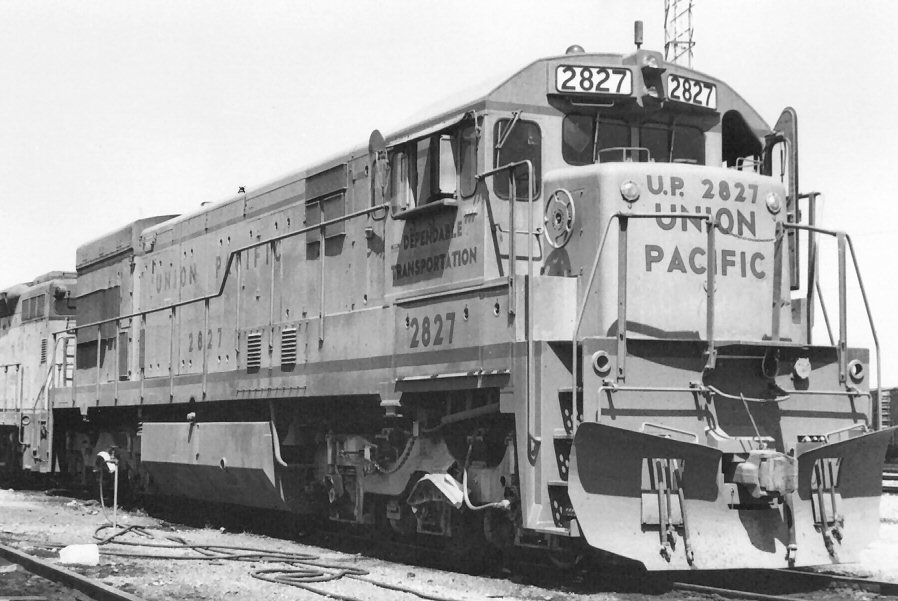
Design and construction
The locomotive was built by Brush Traction and powered by a Petter four‑cylinder engine. Contemporary reports describe it as a compact, diesel‑powered unit intended for light duties. Specifics such as transmission type and exact output are not always consistently recorded in summary sources, but the use of a Petter engine and a Brush build indicates a design focused on reliability and simplicity rather than high speed.
Service and role
15107 served in the early post‑war years when British railways were beginning to replace steam with diesel traction. Locomotives of this kind were typically used for shunting, yard work and short freight turns where quick availability and low running costs were priorities. Because it was a product of the transitional period, 15107 was numbered before the introduction of the TOPS classification system (pre‑TOPS), so it did not carry a later TOPS class number.
Historical context
The locomotive exemplifies the patchwork approach to dieselisation taken by different railway companies and manufacturers. Companies such as the GWR placed small orders or trials with various builders and engine makers to evaluate performance in real operating conditions. The nationalisation of the railways in 1948 transferred many such projects to British Railways, which consolidated evaluation and standardisation efforts.
Notable facts and distinctions
- Built by Brush Traction, a prominent builder of early diesel and electric locomotives.
- Powered by a Petter four‑cylinder engine, illustrating the variety of engines used in early diesel practice.
- Commissioned by the GWR but delivered to British Railways, reflecting railway nationalisation and reorganisation.
- Associated with the broader move away from steam; examples like 15107 helped inform later standard designs (diesel developments) under British Railways.
For readers seeking further technical or historical detail, archival locomotive registers and specialist publications provide fuller data and photographs documenting units like 15107 and their place in British dieselisation history. Additional context on the GWR and early diesel practice can be found in broader histories of British rail transport (GWR sources and general studies at pre‑TOPS era collections).
Related articles
Author
AlegsaOnline.com British Rail 15107 — GWR‑commissioned diesel locomotive Leandro Alegsa
URL: https://en.alegsaonline.com/art/14293