
Merian C. Cooper (1893–1973) — aviator, adventurer and filmmaker
American aviator and filmmaker Merian C. Cooper combined military service, exploration and Hollywood filmmaking; he is best known as co-creator of King Kong (1933) and for his adventurous life.
Overview
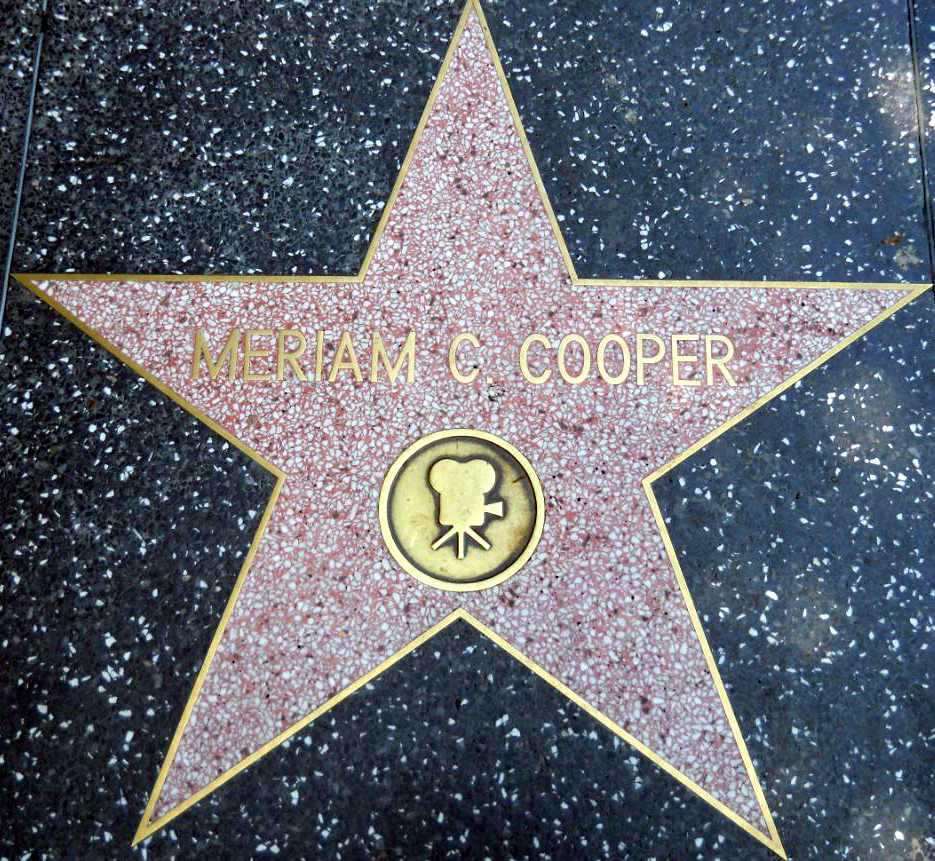
Merian Caldwell Cooper was an American aviator, soldier, adventurer and motion-picture maker whose life bridged early aviation, international military service and Hollywood. Born in Jacksonville, Florida in 1893, he became widely known as a creative force behind the 1933 film King Kong, and for a career that mixed documentary exploration and narrative filmmaking with a reputation for bold personal exploits.
Image gallery
7 Images



Early life and military service
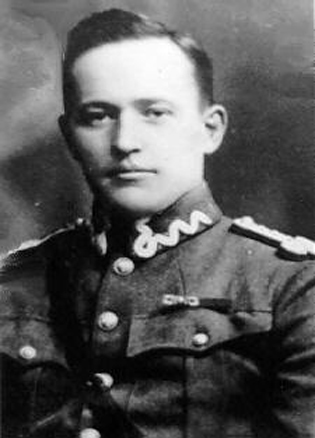
Cooper was born on October 24, 1893, and was educated in part at the Lawrenceville School. He volunteered for military aviation during the First World War. In the chaotic years after that conflict he took part in operations abroad and volunteered to assist foreign air services. He served with Polish forces during the post‑war period and was associated with early interwar volunteer pilots. These experiences — combat, long-distance travel and periods of detention and escape reported in contemporary accounts — influenced his later taste for adventure and documentary realism (aviator service).
Filmmaking career
After returning to the United States, Cooper turned increasingly to filmmaking. He worked on expeditionary documentaries that emphasized location shooting and ethnographic subjects, and later moved into narrative features. Cooper frequently collaborated with director Ernest B. Schoedsack; together they combined on-location footage, staged action and technical ingenuity. Their best-known achievement is King Kong (1933), a landmark in special effects and popular cinema that showcased stop-motion, miniatures and dramatic staging (King Kong context).
Major works and roles
- Expedition and documentary films of the 1920s and early 1930s that sought a blend of discovery and spectacle (documentary background).
- Feature productions in Hollywood where he worked as writer, producer and director, often shaping the overall creative direction.
- Collaborations with other filmmakers and studios that extended his influence on adventure cinema and special effects.
Later life and legacy
Cooper maintained ties to military aviation and returned to service at times during later decades. He married actress Dorothy Jordan in 1933; they remained together until his death and had one son, Maciej Słomczyński. Obituaries and later retrospectives note a career that crossed military service, documentary practice and popular filmmaking, and many film historians regard his work as important in the development of cinematic spectacle and early special-effects techniques (retrospectives).
Notable facts and distinctions
- Cooper combined active service as an aviator and officer with a significant creative career in Hollywood; his biography is discussed in accounts of Americans who served abroad in the interwar period (interwar volunteers).
- King Kong remains his most widely recognized legacy and is frequently cited in histories of American cinema (early life).
- Beyond a single landmark film, Cooper's career included work in documentary, production and leadership roles that influenced later adventure filmmaking and on-location production methods.
Author
AlegsaOnline.com Merian C. Cooper (1893–1973) — aviator, adventurer and filmmaker Leandro Alegsa
URL: https://en.alegsaonline.com/art/142571