
Manchester United F.C.: history, stadium, achievements and identity
Manchester United Football Club, based at Old Trafford in Greater Manchester, is one of England's most successful and widely supported professional football clubs, noted for domestic and European honours.
Overview
Manchester United Football Club is a professional football club that competes in the English Premier League. Founded in the 19th century as Newton Heath, it later adopted the Manchester United name and has grown into a global sporting brand with millions of supporters worldwide. The club plays home matches at Old Trafford, a long-standing stadium in Greater Manchester.
Image gallery
10 Images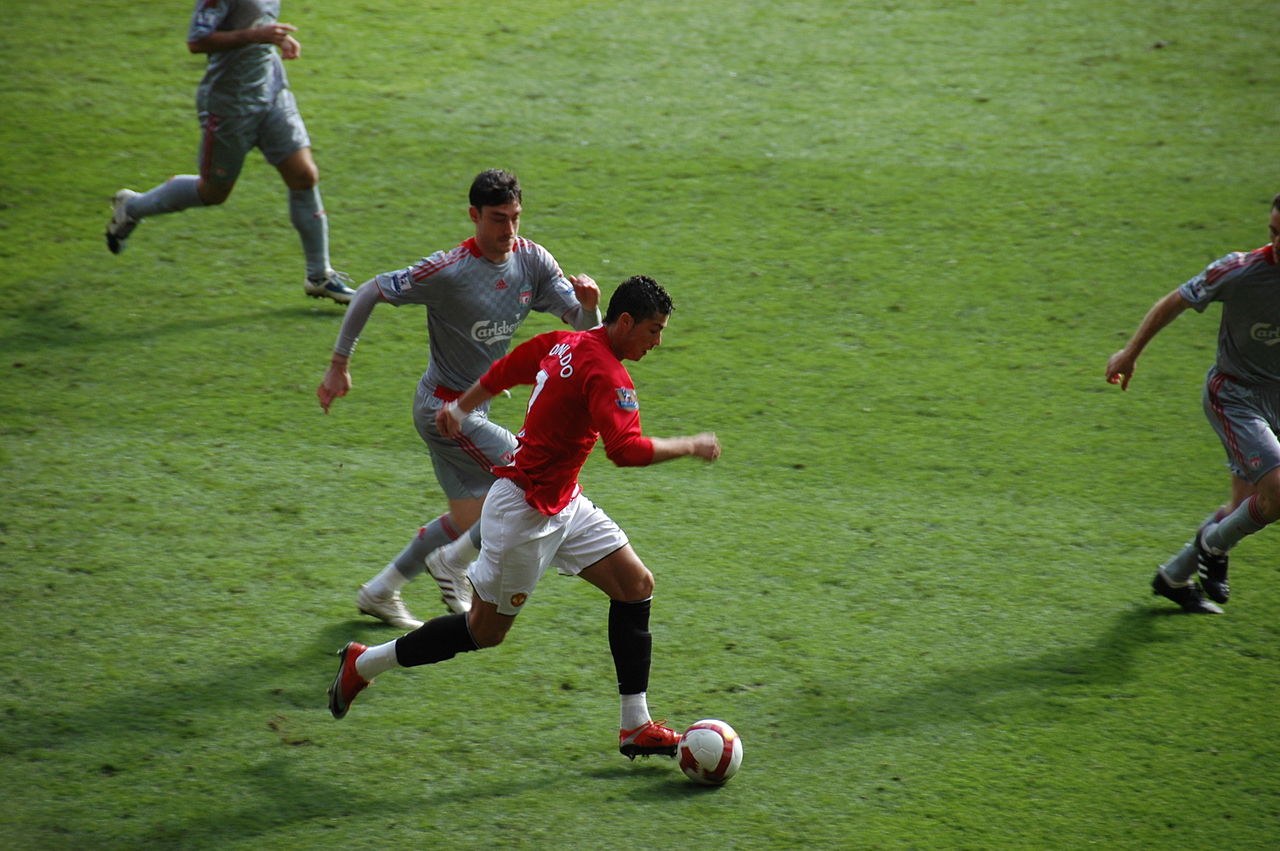

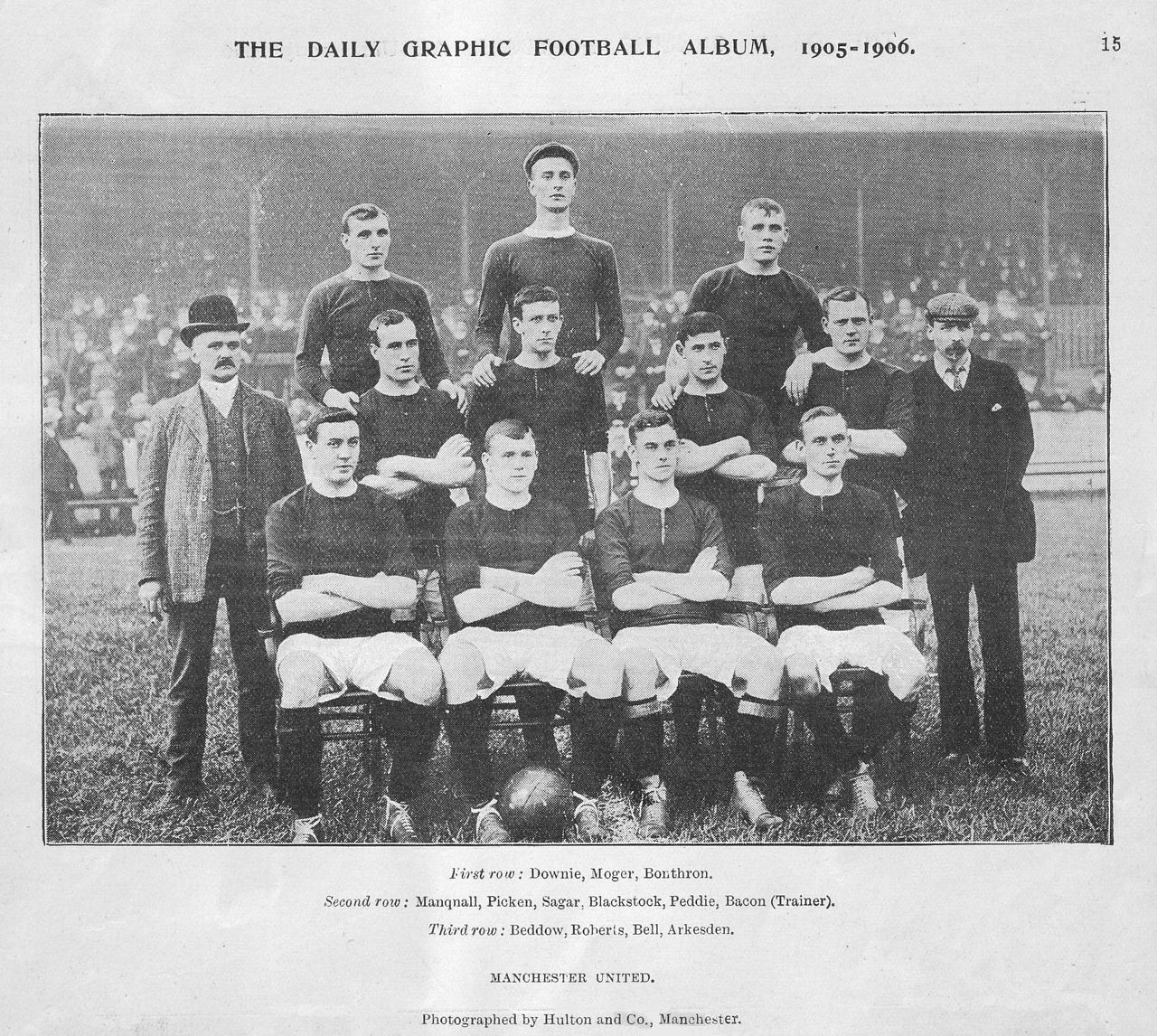
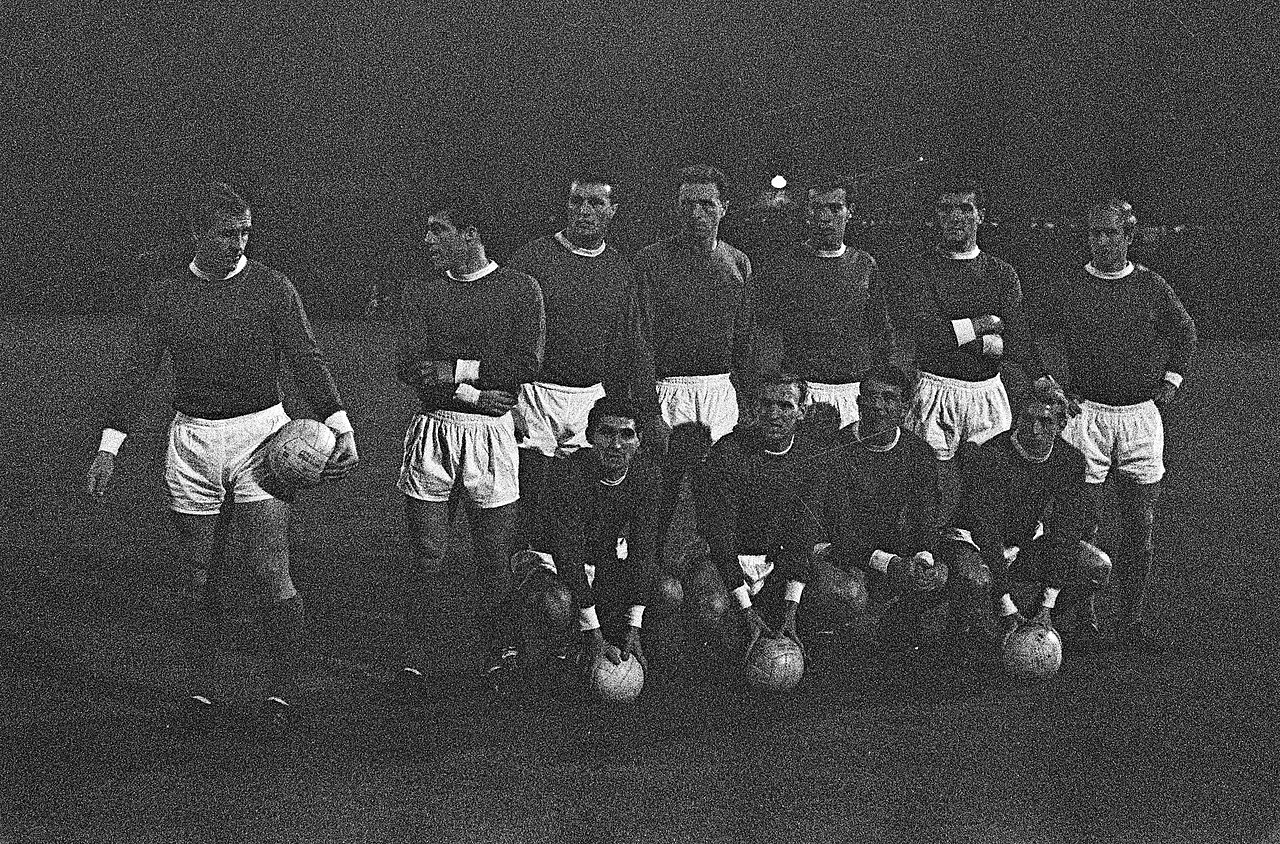

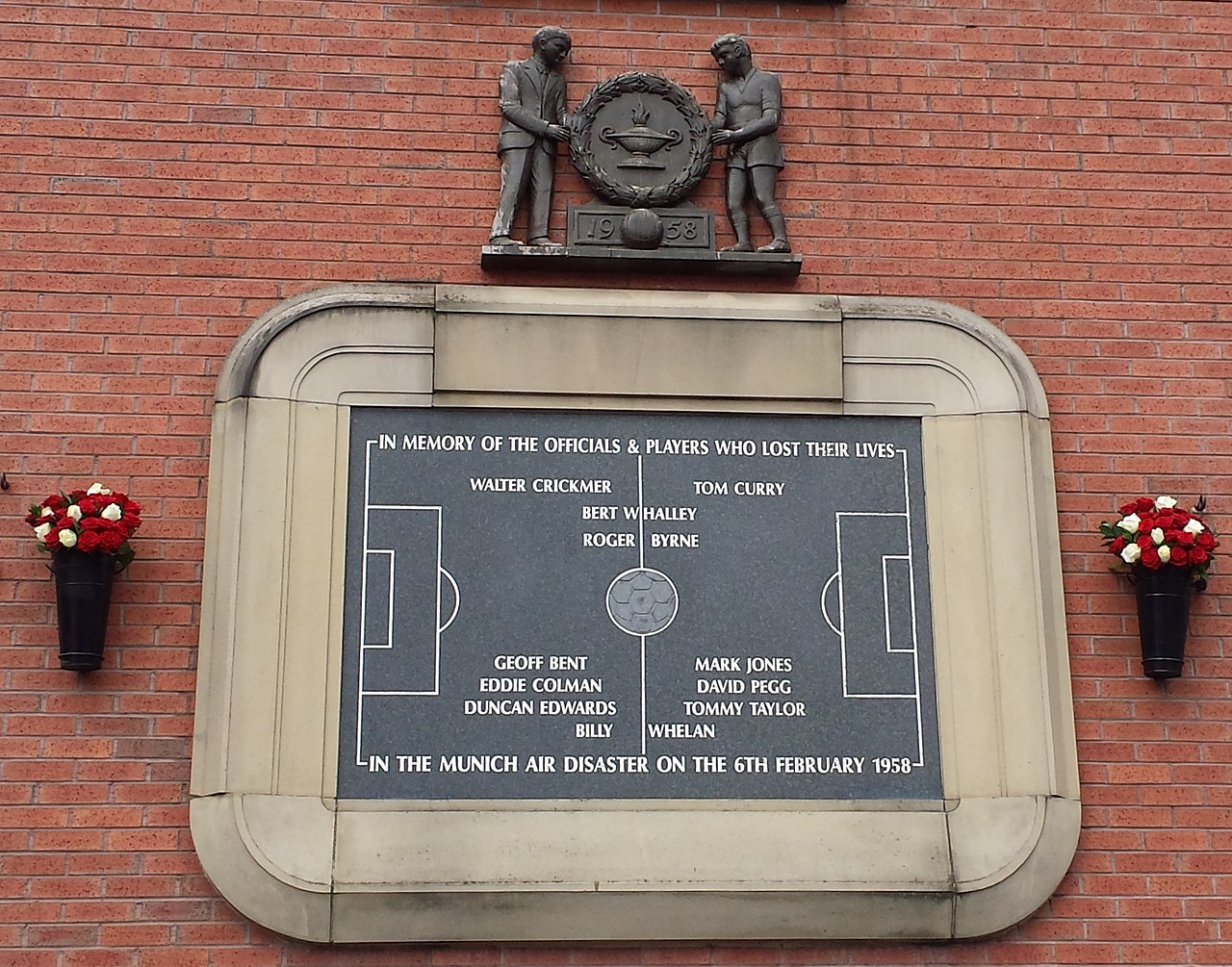



History and development
Manchester United's history includes early domestic progress, the emergence of youth teams under Sir Matt Busby and the celebrated "Busby Babes". Busby rebuilt the club after the 1958 Munich air disaster, which killed several players and staff and shaped the club's post-war narrative. In later decades the club achieved sustained success under Sir Alex Ferguson, who guided the team through a period of dominance and won multiple league and cup competitions before retiring in 2013.
Stadium, culture and identity
Old Trafford has been central to United's identity, known to supporters and media by nicknames that reflect its history and atmosphere. The club maintains a large youth academy and scouting network, and its colors, crest and songs form part of a distinctive fan culture. Rivalries with local and national clubs are important elements of its public profile.
Major honours and achievements
Manchester United is among England's most decorated clubs. Notable honours include:
- League titles (counted among the highest in English football)
- Multiple FA Cup wins, including trophies in the club's long domestic history (FA Cup)
- European successes, including three top continental victories (Champions League)
- Global club competition honours, among them a FIFA Club World Cup triumph
Notable managers and legacy
Managers such as Matt Busby and Sir Alex Ferguson are central to the club's modern reputation for rebuilding talent and achieving sustained success. Their eras are often studied for leadership, squad development and the use of youth players. United's combination of sporting achievement, commercial reach and cultural impact makes it a frequent subject of analysis in football history and business studies.
Further notes and resources
For more about fixtures, club organisation and contemporary news, consult official and specialist sources. The club's long history includes periods of triumph and tragedy, and it remains a major force in English and European football. Club overview, league context, and archived material provide fuller timelines and statistics for readers seeking detail.
Questions and answers
Q: What league does Manchester United Football Club (F.C.) play in?
A: Manchester United Football Club (F.C.) plays in the Premier League.
Q: Where do they play their home games?
A: They play their home games at Old Trafford which is located in Greater Manchester.
Q: Who led the club to lots of success?
A: Matt Busby led the club to lots of success by using youth players until the Munich air disaster in 1958, where many United footballers and staff died.
Q: Who took over after Matt Busby?
A: Sir Alex Ferguson took over after Matt Busby and led the club to many titles from 1986 to 2013 when he retired.
Q: How many UEFA Champions League titles does Manchester United have?
A: Manchester United has 3 UEFA Champions League titles.
Q: How many league titles do they have?
A: They have 20 league titles.
Q: How many FA Cups do they have?
A: They have 12 FA Cups and a FIFA Club World Cup.
Author
AlegsaOnline.com Manchester United F.C.: history, stadium, achievements and identity Leandro Alegsa
URL: https://en.alegsaonline.com/art/142119