
UEFA Champions League: Europe’s premier club football competition
Overview, format, history and significance of the UEFA Champions League, the top annual club tournament in European football, its structure, notable winners, and how clubs qualify.
The UEFA Champions League is the most prestigious annual club football competition in Europe, organized by the Union of European Football Associations (UEFA). It brings together top-performing teams from national leagues across the continent to compete for a single-season continental title. Over decades the tournament has grown from a straight knockout championship for national champions into a global sporting spectacle with a multi-stage format and wide broadcast reach.
Image gallery
10 Images


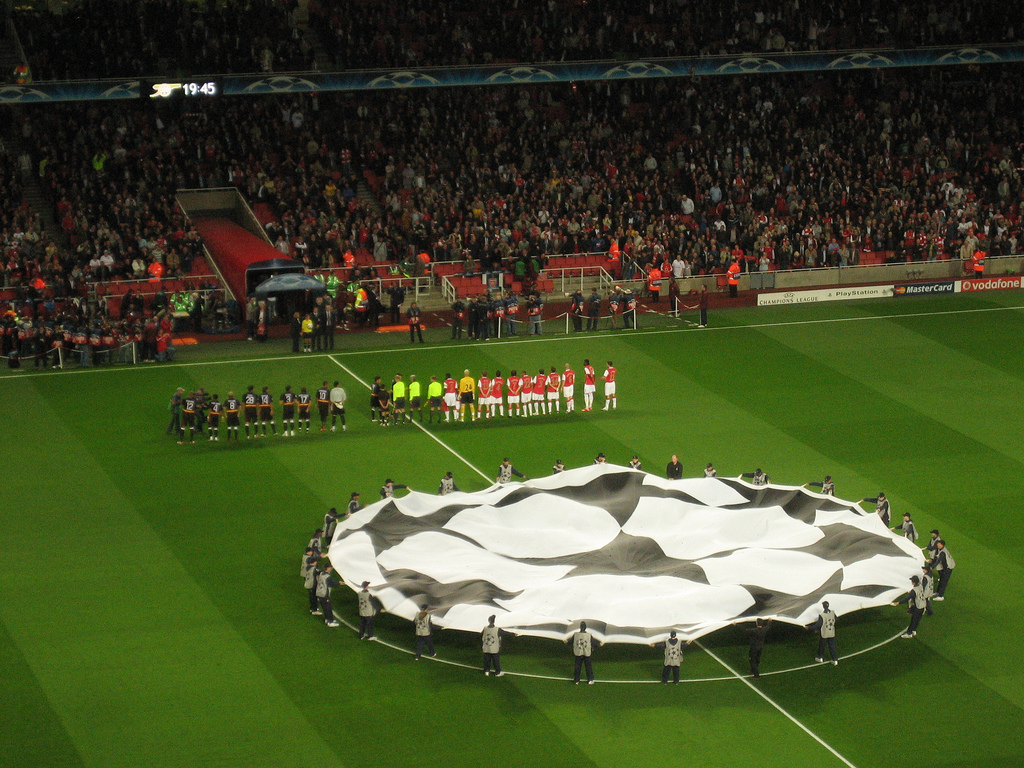
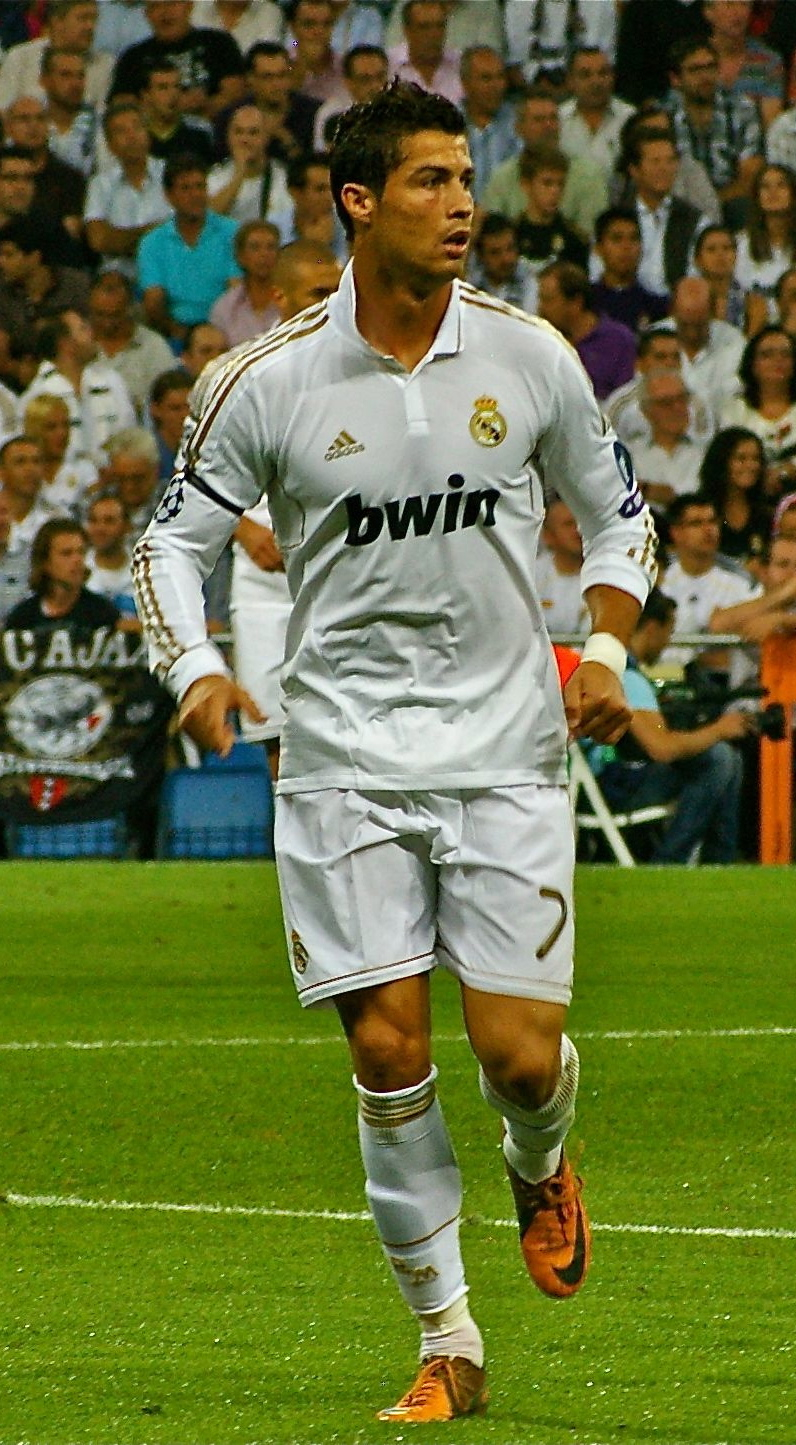
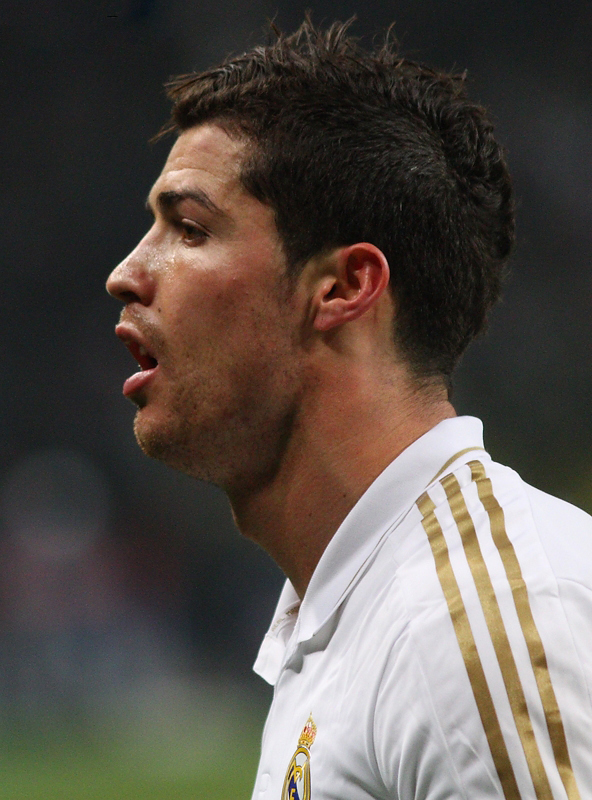


Format and stages
The competition typically combines a group stage followed by several knockout rounds and a one-off final at a preselected neutral stadium. Historically the group stage featured 32 teams drawn into groups, but the precise number of participants and qualifying paths have evolved over time as UEFA has periodically reformed the structure. Matches in knockout rounds are normally played over two legs (home and away), with the final decided in a single match.
- Qualification: Clubs qualify primarily through their domestic league or cup performance, with the number of places allocated to each national association determined by UEFA coefficients.
- Group stage: Clubs are drawn into groups and play home-and-away round-robin fixtures; the best teams advance.
- Knockout phase: Progressive two-legged ties lead to the final, which crowns the season’s champion.
Origins and development
The competition began in the mid-20th century as the European Champion Clubs' Cup, initially open only to domestic league winners. In the early 1990s it was rebranded as the UEFA Champions League and expanded to include more clubs from stronger leagues, adding a group phase to increase the number of high-profile fixtures. Since then the competition has been subject to further refinements in qualification, seeding and scheduling to balance sporting merit and commercial considerations.
Qualification and seeding
Entry is based on sporting results in national competitions. Associations with higher UEFA coefficients receive multiple slots, allowing several clubs from the same league to participate. This system means top leagues regularly supply a majority of participants, while smaller associations are represented by their domestic champions. UEFA also uses seeding pots and club coefficients to determine group draws and match pairings.
Notable winners and records
Some clubs have achieved repeated success, becoming synonymous with the competition. Historically prominent multiple winners include AC Milan, Liverpool, Barcelona, Ajax, Inter Milan and Porto. One club has won the tournament more times than any other and several clubs have lifted the trophy on multiple occasions. Early decades of the tournament produced memorable runs—for example, one team won the first five editions after the competition's launch—establishing enduring records and legends.
Sporting and cultural importance
The Champions League is widely regarded as the pinnacle of European club football. It offers sporting prestige, intense competition against top clubs from different national systems, and substantial financial rewards from prize money, sponsorship and broadcasting. Matches often feature the continent’s leading players and managers and generate significant global interest, with the final regarded as one of the major events on the football calendar.
Distinguishing features and trivia
Distinctive points include UEFA’s coefficient-driven allocation of places, the mix of round-robin and knockout phases, and the single-match final staged at neutral venues. The competition’s branding, anthem and trophy are widely recognized. While its format and number of participants have changed several times, the Champions League continues to emphasize both domestic achievement and continental excellence. For official information and current regulations see UEFA’s channels and club pages linked above (governance).
For readers seeking club-specific histories, statistics or season-by-season records, many national federations and club histories provide detailed accounts of individual campaigns, while UEFA publishes annual reports and competition regulations that explain the precise rules that apply in a given year.
Questions and answers
Q: What is the UEFA Champions League?
A: The UEFA Champions League, or UCL, is an annual football competition organized by UEFA between some of the top club teams in Europe.
Q: How many teams participate in the UCL?
A: 32 teams participate in the UCL each year.
Q: Who started the UCL?
A: The UCL was originally started by France, not the European Football Federation.
Q: How has the format of the tournament changed over time?
A: Initially, it was played as a home and away tournament but a group stage was added from 1991-92 season onwards.
Q: How are teams selected for participation in the UCL?
A: Teams are selected based on their performance in their respective league matches.
Q: What is needed to qualify for participation in the UCL?
A: Depending on how good their league is, teams may need to win their countries' championship or more than one team can play in the competition. For example, Spanish League can get 4 Spanish clubs into competition compared to Kazakhstan League which can only get one team into competition.
Q: Who holds record for most wins of Champions League/European Cup? A: Real Madrid holds record for most wins of Champions League/European Cup with 13 titles so far.
Related articles
Author
AlegsaOnline.com UEFA Champions League: Europe’s premier club football competition Leandro Alegsa
URL: https://en.alegsaonline.com/art/102525