
FIFA Club World Cup
An international annual club football competition organized by FIFA that brings together continental champions to determine the world club champion; overview, format, history, significance, and notable facts.
Overview
The FIFA Club World Cup is an international football tournament that brings together the champion clubs from each of the world's continental confederations to compete for an official global club title organized by FIFA. Unlike national team tournaments, this event matches club sides that have won continental competitions such as the UEFA Champions League, Copa Libertadores and others, producing a short knockout competition that crowns a world club champion.
Image gallery
10 Images


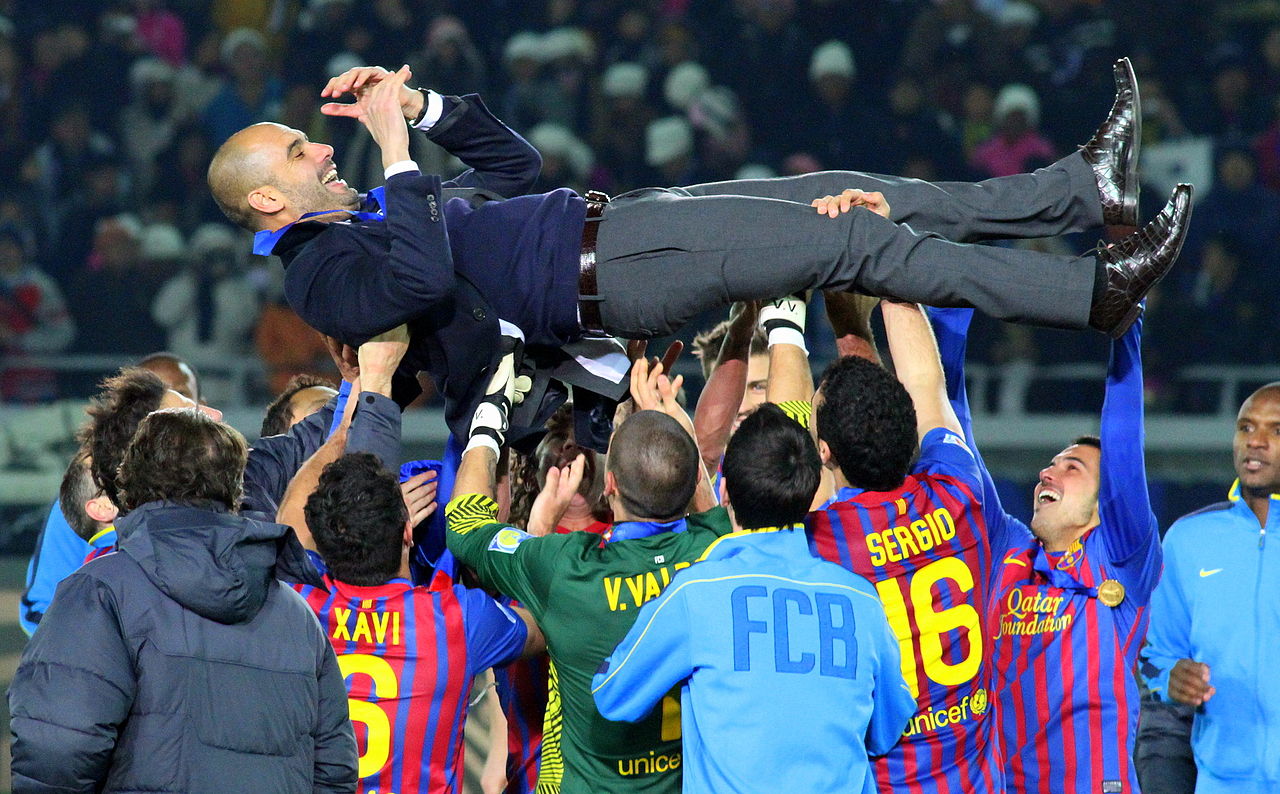


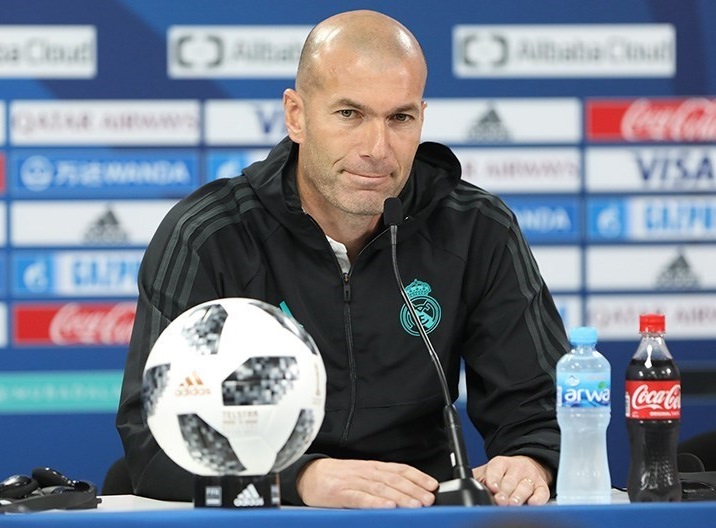
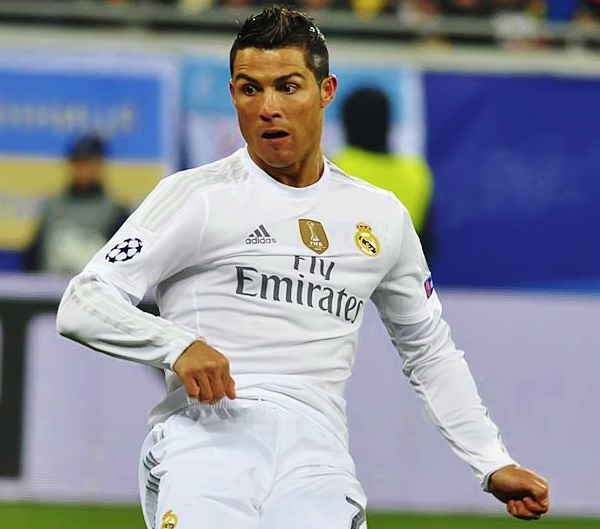

Format and participants
The competition normally features the winners of the six continental club competitions (UEFA, CONMEBOL, AFC, CAF, CONCACAF and OFC) plus a representative from the host nation, usually the domestic league champion. The structure is single-elimination with preliminary rounds: a play-in or preliminary match, quarterfinals, semifinals and a final. Teams from stronger confederations typically enter at a later stage, while the host champion and representatives from smaller confederations begin earlier in the tournament.
History and development
The Club World Cup grew out of earlier attempts to determine the top club side beyond continental boundaries, most notably the Intercontinental Cup which matched European and South American champions for several decades. FIFA launched its own global club competition at the turn of the 21st century and, after some interruptions and refinements, established the current annual format. Over time the tournament has evolved in timing, size and commercial profile, and FIFA has at times proposed larger formats for future editions.
Importance and notable moments
For participating clubs, the tournament offers international prestige, a chance to test themselves against different styles of play, and additional revenue and exposure in global markets. While European and South American teams have traditionally been dominant, the Club World Cup has produced memorable runs by clubs from Africa, Asia and other regions, demonstrating the growth and occasional unpredictability of club football outside the traditional power centers.
Distinctive features and criticism
- Global representation: it includes champions from all FIFA confederations, giving smaller confederations regular exposure.
- Short, knockout format: the compact schedule rewards form and reduces travel demands compared with longer tournaments.
- Scheduling pressures: clubs and national calendars sometimes view the tournament as congested or secondary to major continental competitions.
Real Madrid and several other high-profile clubs have enjoyed success in the competition, and the event remains one of the main ways FIFA designates an official world club champion. While debates continue about format and timing, the FIFA Club World Cup is today a recognized fixture on the global club football calendar.
Related articles
Author
AlegsaOnline.com FIFA Club World Cup Leandro Alegsa
URL: https://en.alegsaonline.com/art/34235
Sources
- fifa.com : "FIFA Club World Championship TOYOTA Cup 2005"
- resources.fifa.com : "FIFA Club World Cup 2017"
- resources.fifa.com : "FIFA Club World Cup 2017"
- dictionary.com : "Official, definition"
- dictionary.cambridge.org : "official"
- thesaurus.com : "Synonyms for official"
- fifa.com : FIFA Council approves key organisational elements of the FIFA World Cup
- resources.fifa.com : "FIFA Statutes, April 2016 edition"