
Levi Lincoln Sr.: Revolutionary, Jeffersonian Attorney General, and Massachusetts Leader
Biographical overview of Levi Lincoln Sr. (1749–1820), his roles in the American Revolution, legal and political career, service under Thomas Jefferson, and his legacy in Massachusetts public life.
Levi Lincoln Sr. (May 15, 1749 – April 14, 1820) was an American political and legal figure whose career spanned the Revolutionary era and the early republic. He combined military service at the opening of the Revolutionary War with a long public life as a state legislator, U.S. lawmaker, cabinet officer in the Jefferson administration, and a chief executive in Massachusetts. His life illustrates the pathway from revolutionary activist to national public servant and state leader.
Image gallery
6 Images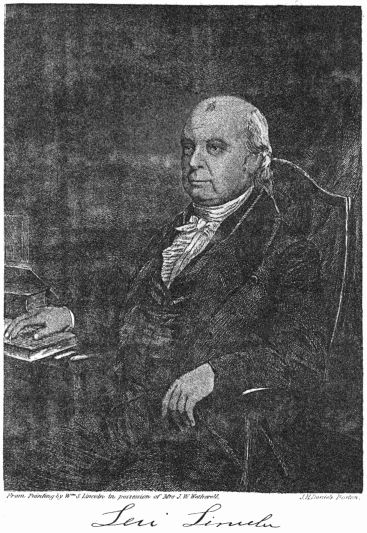


Early life and Revolutionary service
Born in colonial Massachusetts, Lincoln came of age as political tensions with Britain rose. He was present as a Minuteman at the outbreak of hostilities and participated in local militia activity during the American Revolution. Those early experiences shaped his outlook and gave him local prominence, helping to launch a career in law and elected office. Contemporary accounts highlight his participation among other citizen-soldiers who answered the alarm at Lexington and Concord (Revolutionary War).
Legal career and legislative work
Lincoln trained and practiced as a lawyer, a common route to public office in the new nation. He served in the Massachusetts legislature and won election to the United States House of Representatives, where he was identified with the Republican (Jeffersonian) faction. His time in state government and Congress established his reputation as a pragmatic advocate for republican government and local interests (state legislator, U.S. Representative).
Federal service under Jefferson
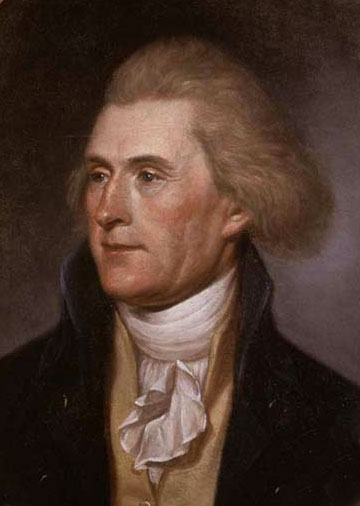
In the early 1800s President Thomas Jefferson appointed Lincoln to the Cabinet as Attorney General (Attorney General). For a brief interval he also performed the duties of Secretary of State while the new administration organized its leadership, acting in the capacity of Acting Secretary of State. His appointment reflected Jefferson's reliance on experienced New England Republicans to balance regional representation in federal offices (President).
State leadership and later years
After returning to Massachusetts politics Lincoln served at the highest levels of state government, including terms as Lieutenant Governor and Governor. In those roles he navigated partisan divisions of the early 19th century and focused on issues of law, administration, and local development. His time in state executive office reinforced his image as a bridge between national Republican principles and Massachusetts civic life (Lieutenant Governor, Governor).
Legacy and notable facts
- Lincoln is remembered as one of the generation that moved from militia service into civic leadership and national office (American revolutionary).
- His federal service under Jefferson placed him at the center of early executive legal work and transition between administrations.
- Lincoln's career helped establish a family political tradition: his descendants continued to influence Massachusetts politics in the 19th century.
- He combined roles at local, state, and national levels, a pattern common among early American statesmen.
For readers seeking documentary sources or study of his opinions and correspondence, archival collections and specialized biographies provide more detailed chronology and analysis of Lincoln's influence on law and politics in the early United States (biographical overview).
Author
AlegsaOnline.com Levi Lincoln Sr.: Revolutionary, Jeffersonian Attorney General, and Massachusetts Leader Leandro Alegsa
URL: https://en.alegsaonline.com/art/141417