
Klara Hitler (Klara Pölzl): mother of Adolf Hitler
Klara Pölzl (1860–1907) was the third wife of Alois Hitler and the mother of Adolf Hitler. A devout Catholic and homemaker, she raised several children; her early death from cancer shaped her son's youth.
Overview
Klara Pölzl (12 August 1860 – 21 December 1907) was an Austrian woman known primarily as the third wife of Alois Hitler and the mother of Adolf Hitler. Born in rural Austria, she spent most of her adult life managing the household while raising a number of children. Contemporary accounts describe her as devoutly Roman Catholic, quiet and devoted to family duties.
Image gallery
3 Images
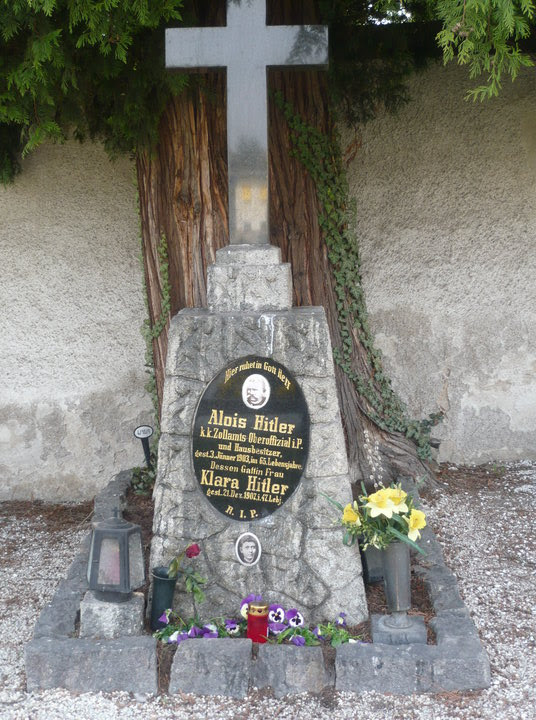
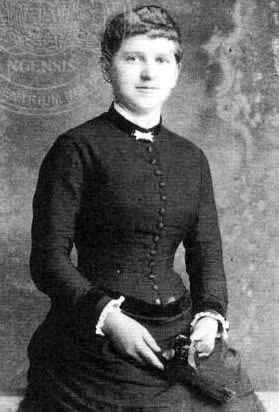
Family and personal life
Klara married Alois, a government customs official, after his earlier marriages. The household included children from different marriages and several children born to Klara herself. Only two of her children reached adulthood. Her role as homemaker and primary caregiver contrasted with Alois's stricter, more authoritarian character; family witnesses often emphasize Klara's gentleness and the close emotional bond she had with her surviving son.
Illness and death
In the final years of her life Klara developed a serious illness diagnosed at the time as breast cancer. She was treated by the family physician Eduard Bloch, who later remembered the family and whose medical reports are a source for historians. Klara died in December 1907; her illness and passing had a profound emotional effect on her son, who was a young man at the time.
Historical perspective and significance
Klara's biography is commonly discussed in the context of her son's life. Historians note that her piety and the warmth of her household contrasted with the harsher aspects of his upbringing and that contemporary testimony emphasizes the depth of his attachment to her. Much of what is known about Klara comes from family records, medical notes, and later biographical research, rather than from public activity.
Further reading and sources
For concise biographical details consult basic family histories and standard biographies of the Hitler family. Useful starting points include archival materials and compilations of memoirs and medical records, as collected in various biographical sources. For regional context see accounts of late 19th‑century Austrian family life and social customs (Austrian social history).
Notable facts
- Klara is often remembered chiefly because of her son's later prominence, yet she lived a life typical of many women of her social class and era.
- Her attending physician's testimony provides a primary contemporary window into her final illness.
- The family dynamic—an older, strict father and a nurturing mother—features in many accounts of the early life of Adolf Hitler.
Questions and answers
Q: Who was Klara Hitler?
A: Klara Hitler was an Austrian woman who was the mother of Adolf Hitler.
Q: What was Klara Hitler's maiden name?
A: Klara Hitler's maiden name was Klara Pölzl.
Q: When was Klara Hitler born?
A: Klara Hitler was born on August 12, 1860.
Q: When did Klara Hitler pass away?
A: Klara Hitler passed away on December 21, 1907.
Q: What relation did Klara Hitler have with Alois Hitler?
A: Klara Hitler was the widow of Alois Hitler.
Q: Who was Adolf Hitler in relation to Klara Hitler?
A: Adolf Hitler was the son of Klara Hitler.
Q: Is Klara Hitler a significant historical figure? Why?
A: Yes, Klara Hitler is a significant historical figure because of her close relation to Adolf Hitler, who became one of the most infamous dictators in history.
Author
AlegsaOnline.com Klara Hitler (Klara Pölzl): mother of Adolf Hitler Leandro Alegsa
URL: https://en.alegsaonline.com/art/140973