
John W. McCormack — Long-serving U.S. Representative and 45th Speaker
Massachusetts Democrat who served in the U.S. House from 1928–1971 and as Speaker from 1962–1971; influential in mid-20th-century legislation and congressional leadership.
Overview
John William McCormack (December 21, 1891 – November 22, 1980) was an American lawyer and Democratic politician from Massachusetts. He represented his district in the United States House of Representatives for more than four decades, serving from 1928 until his retirement in 1971. From 1962 to 1971 he was the 45th Speaker of the United States House of Representatives, presiding over the chamber during a period of major social legislation.
Image gallery
8 Images


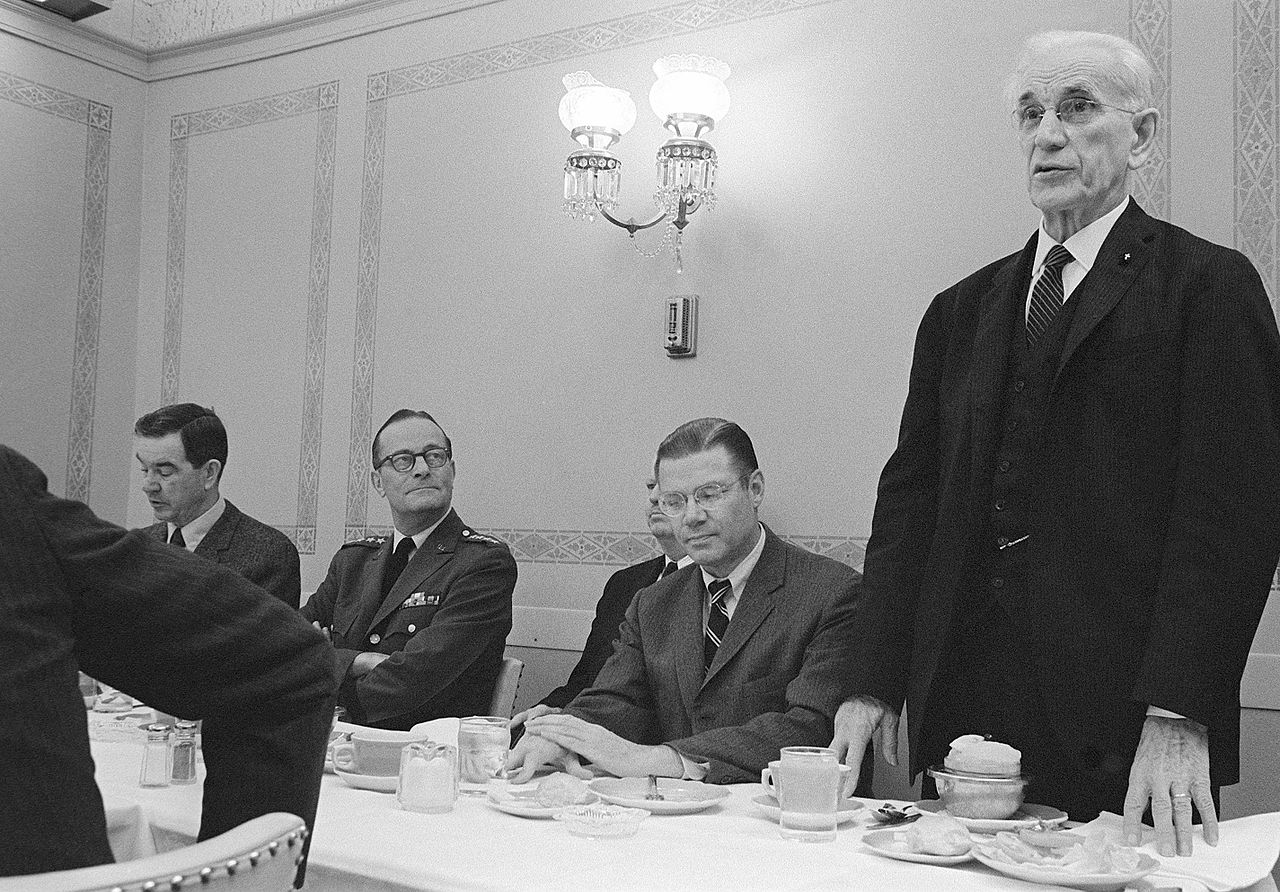


Early life and rise
McCormack trained as a lawyer and entered politics through local and state activity in Massachusetts. He was elected to Congress in 1928 and gradually moved into party leadership. A member of the Democratic caucus, he gained prominence for his knowledge of House procedure and his ability to manage complex legislative agendas.
Congressional career and leadership
During his long tenure McCormack served in several senior roles before becoming Speaker. He led the House through the 1960s, a decade that saw the passage of landmark measures addressing civil rights, voting rights, social programs and the expansion of the federal role in health and welfare. As Speaker he worked with successive presidents and congressional colleagues to shepherd large, often controversial bills to final votes.
Legislative priorities and influence
McCormack was known for an emphasis on institutional order, seniority, and accommodating diverse regional views within his party. His speakership coincided with the enactment of major laws; he is remembered for steadying the House during contentious debates and for advocating policies that reflected mid-20th-century Democratic priorities.
Later life and death
After retiring from Congress in 1971, McCormack remained a respected elder statesman. He died of pneumonia on November 22, 1980 in a nursing home in Dedham, Massachusetts, at the age of 88.
Legacy and notable facts
- Long service: More than 40 years of continuous House membership (1928–1971).
- Speaker during a transformative period of American legislation in the 1960s.
- Remembered for mastery of House procedure and for mentoring younger members.
- Institutions and buildings in Massachusetts have been named in his honor, reflecting his local and national impact.
McCormack's career illustrates the role of congressional leadership in shaping policy and managing parliamentary processes. His tenure provides a window into mid-century American politics, when Congress navigated major social change and expanded the scope of federal legislation.
Author
AlegsaOnline.com John W. McCormack — Long-serving U.S. Representative and 45th Speaker Leandro Alegsa
URL: https://en.alegsaonline.com/art/140559