
John C. Pemberton
Northern-born professional soldier who served in the U.S. Army and as a Confederate general; best known for commanding Confederate forces at the Siege of Vicksburg and surrendering on July 4, 1863.
Overview
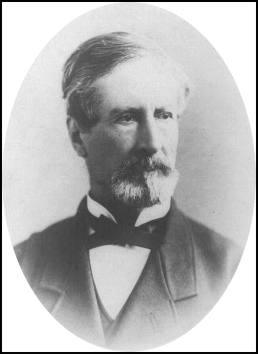
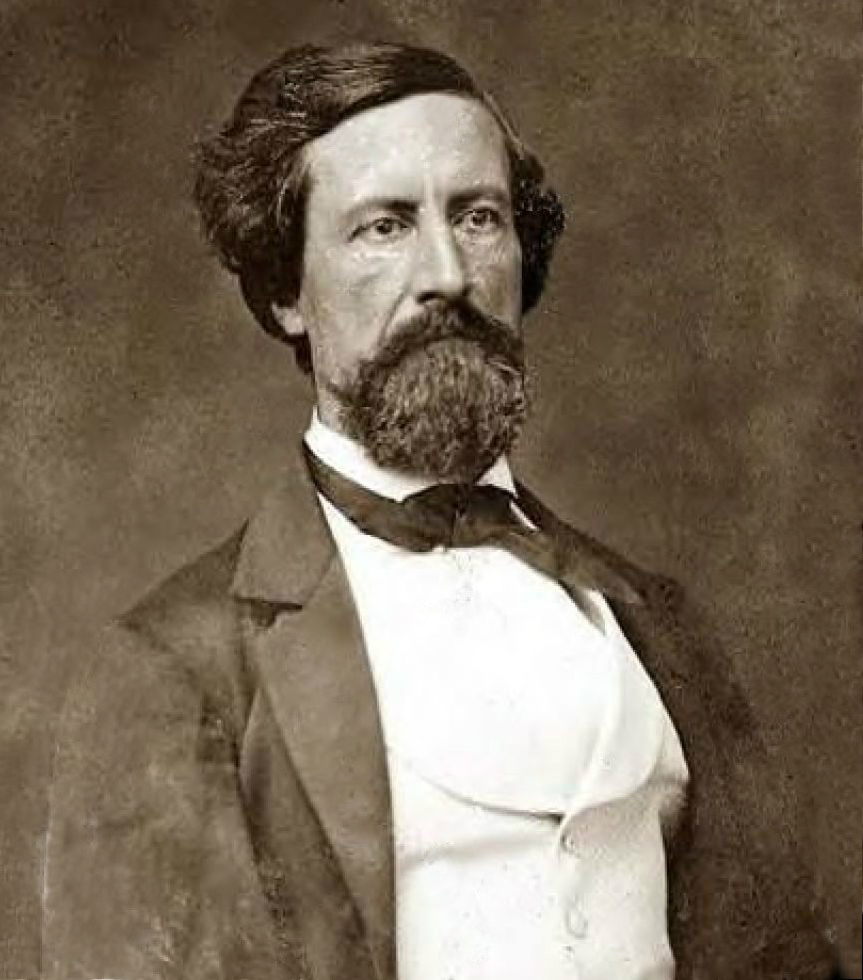
John Clifford Pemberton (August 10, 1814 – July 13, 1881) was a career military officer who saw service in the antebellum U.S. Army and later as a general in the Confederate States Army. Trained as a professional soldier, he served in several pre–Civil War conflicts and rose through the ranks before making the contested decision to join the Confederacy during the American Civil War. He is most widely remembered for his role at the Siege of Vicksburg, where he capitulated on July 4, 1863.
Image gallery
7 Images



Early career and training
Pemberton began his military life in the regular United States Army, where he participated in frontier operations and technical military duties. During this period he fought in conflicts such as the Seminole campaigns and later in the Mexican–American War, where he received recognition for his conduct. His background was that of a professional engineer and staff officer rather than a battlefield celebrity; he was part of the generation of officers trained to build and manage fortifications and river defenses.
Service in the Civil War
When the southern states seceded, Pemberton opted to align with the Confederacy, a controversial choice since he was born and raised in the North. As a Confederate commander he held several posts before being given command around Vicksburg, an important fortified city on the Mississippi River. The campaign that culminated in the city's siege involved maneuvering, prolonged investment by Union forces, and heavy strain on the garrison and local civilians.
Siege of Vicksburg and surrender
Pemberton's leadership at Vicksburg remains the defining episode of his career. Besieged by Union armies, his forces were gradually cut off from reinforcement and supplies. After weeks of bombardment and unsuccessful breakout attempts, he negotiated terms and surrendered on July 4, 1863. The fall of Vicksburg gave the Union control of the Mississippi River and split the Confederacy, making the surrender a turning point in the war often discussed alongside other major 1863 events.
Legacy and controversy
Pemberton's reputation has been debated ever since. Critics faulted his decisions and defensive deployments; some sympathetic accounts emphasize the overwhelming material disadvantages he faced. After the surrender he was subject to public criticism and inquiry within the Confederacy, and historians continue to weigh leadership, logistics, and political context when assessing his actions. His career illustrates the difficult choices faced by professional officers during a civil war.
Selected roles and contexts
- United States Army service and professional training
- Participation in the Seminole Wars and the Mexican–American War
- Service with the Confederate States Army during the American Civil War
- Command at the Siege of Vicksburg and surrender on July 4, 1863
For further reading and primary documents consult specialized biographies and contemporary reports on the campaigns in which Pemberton participated. Several collections and battlefield studies explore how his training as a regular army officer shaped his conduct in a conflict that often rewarded improvisation over institutional procedure.
Author
AlegsaOnline.com John C. Pemberton Leandro Alegsa
URL: https://en.alegsaonline.com/art/140500