
Inter‑Korean Liaison Office: purpose, structure, history and demolition
A joint North–South Korean contact office established during 2018 rapprochement efforts in Kaesong; served as a de facto embassy until its destruction in June 2020.
Overview
The Inter‑Korean Liaison Office was a joint administrative facility created to provide a permanent, direct channel of communication between the governments of North Korea and South Korea. It was established as part of a 2018 process of diplomacy and dialogue intended to reduce military tensions and to coordinate civilian matters across the border. The office is known in Korean by several forms; see Hangul: 남북공동연락사무소, Hanja: 南北共同連絡事務所 and the romanized form Nambuk gongdong yeollak samuso.
Image gallery
1 Image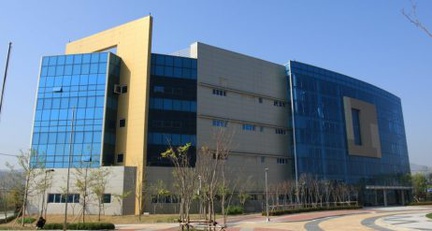
Function and roles
The Liaison Office acted in practice like a permanent diplomatic outpost, though its legal status differed from a formal embassy. Its primary functions included:
- maintaining an uninterrupted communication channel for officials on both sides;
- coordinating cross‑border projects and humanitarian efforts;
- facilitating the recovery of separated families, cultural and sporting exchanges;
- serving as a meeting point for working groups and crisis management;
- acting as a visible symbol of détente that could be used to sustain political momentum.
Location, structure and leadership
Located inside the Kaesong Industrial Region, the office occupied a multi‑storey building on the North Korean side of the Demilitarized Zone. The Kaesong area has historically been a center for cross‑border industrial cooperation and symbolic engagement between the two Koreas. The liaison building was staffed by personnel from both sides and functioned as an administrative hub with meeting rooms, offices and communications facilities. At the time preceding its closure it was headed by a North Korean representative, Jon Jong‑su, and a South Korean representative, Chun Hae‑sung, who held senior positions within their respective organizations responsible for inter‑Korean affairs. References to the two states are often indicated as North Korea and South Korea, and the Kaesong area is referenced as Kaesong Industrial Region.
Closure and destruction
Operational use of the office declined in early 2020. The Liaison Office had been largely vacant since January of that year after both sides took steps to restrict movement and contacts because of the global COVID‑19 outbreak; official notices and reporting noted the suspension of regular staffing related to the pandemic. In mid‑June 2020 the building was demolished by North Korean forces. The demolition was a dramatic and highly symbolic event that marked a sharp deterioration of the 2018–2019 engagement process. While the removal of the physical office ended on‑site cooperation, many observers described the act as primarily political — intended to communicate frustration with specific policies and incidents rather than to erase the idea of dialogue altogether.
Significance and aftermath
The Liaison Office represented an experimental model of semi‑diplomatic infrastructure intended to bridge a frontier where full diplomatic relations do not exist. Its creation reflected a rare period of coordinated planning and optimism; its destruction underscored the fragility of agreements built without enduring mechanisms to manage disputes. The loss of the office removed a convenient institutionalized contact point and heightened uncertainty about future reconciliation efforts. The Kaesong site, and the broader mechanisms for inter‑Korean engagement, remain important reference points in discussions about conflict management, economic cooperation, and eventual reunification prospects.
The office's brief lifecycle illustrates how built infrastructure can serve both practical and symbolic purposes in international relations: it enabled everyday work on cross‑border issues while also standing as a visible sign of political will. The Liaison Office is therefore studied as an example of both the potential and limits of confidence‑building measures between rival states.
Author
AlegsaOnline.com Inter‑Korean Liaison Office: purpose, structure, history and demolition Leandro Alegsa
URL: https://en.alegsaonline.com/art/140050