
Henry Cabot Lodge Jr.
American Republican statesman, U.S. senator and diplomat who served as a vice-presidential candidate in 1960 and as ambassador to the UN, South Vietnam and West Germany.
Overview
Henry Cabot Lodge Jr. was a prominent American public figure and Republican Party official best known for a career that combined elective office, military service and high-level diplomacy. He attracted national attention as a U.S. senator, as Richard Nixon's running mate in 1960, and later as a United States ambassador posted to several critical Cold War and Vietnam-era posts.
Image gallery
7 Images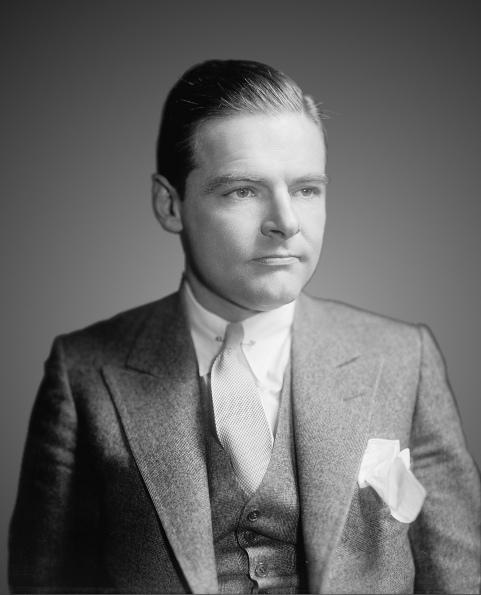


Early life and family
Lodge was born into a family long active in New England public life. He grew up in Massachusetts, attended preparatory schools and graduated from Harvard University. His ancestry included several earlier political figures; family connections and private education shaped his early entry into politics and public service.
Political and military career
He served in the United States Senate representing Massachusetts before leaving elective office to undertake wartime service. His combination of legislative experience and military record gave him a reputation for competence in both domestic politics and international affairs. Those credentials later led to diplomatic assignments during periods of international tension.
Diplomatic assignments
Over the course of his career Lodge held several important ambassadorial posts. He represented the United States at the United Nations, served as the U.S. ambassador to South Vietnam during the early years of American involvement there, and later served as ambassador to West Germany. These roles placed him at the center of Cold War policy debates and the evolving U.S. strategy in Southeast Asia.
National campaigns
On the national political stage, Lodge was selected as Republican vice-presidential nominee alongside Richard Nixon in the 1960 election, a campaign that ultimately lost to John F. Kennedy. He later sought the Republican presidential nomination himself and entered the 1964 contest for the office of President of the United States, but the nomination went to Barry Goldwater.
Later life and legacy
After decades in public life, Lodge retired from front-line politics and continued to comment on foreign policy and party affairs. He died after a long illness in Beverly, Massachusetts. His career is often cited as an example of mid-20th-century Republican internationalism and of the close ties between American domestic political elites and diplomatic service.
- Notable roles: U.S. Senator, military officer, U.N. ambassador, ambassador to South Vietnam and West Germany.
- Political context: Active during the Depression, World War II, the Cold War and the early Vietnam era.
- Remembered for: Bridging elective politics and diplomacy at moments of international tension.
Author
AlegsaOnline.com Henry Cabot Lodge Jr. Leandro Alegsa
URL: https://en.alegsaonline.com/art/139635