
Harry R. Truman (1896–1980): Mount St. Helens lodgekeeper and cultural figure
Long-time caretaker of the Mount St. Helens Lodge who refused evacuation before the 1980 eruption; became a symbol of stubborn individualism after his death when the mountain erupted.
Harold R. "Harry" Truman (October 30, 1896 – May 18, 1980) was an American small-business owner and long-time resident of the U.S. state of Washington. He lived at the foot of Mount St. Helens near Spirit Lake and ran the Mount St. Helens Lodge, becoming a locally well-known figure for his outspoken personality and attachment to the land.
Image gallery
5 Images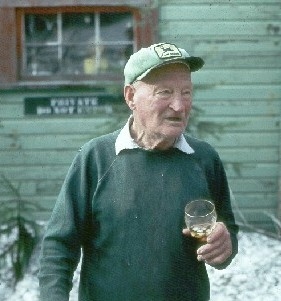


Background
Truman operated the lodge and worked as its caretaker for many years, welcoming visitors to the mountain's lower slopes and the Spirit Lake area. The lodge provided simple accommodations and a base for hikers and fishermen. As a household name in the area he was known for resisting relocation and for insisting that his property and way of life should be protected.
His presence at the lake and his lodge — the Mount St. Helens Lodge at Spirit Lake — was a defining element of the small local tourism scene and of the mountain’s human story. The lodge site and surrounding terrain were publicly discussed and monitored as volcanic unrest increased through the spring of 1980.
Death and the 1980 eruption
When the volcano produced a catastrophic eruption on May 18, 1980, many nearby residents were ordered to evacuate. Truman refused to leave and publicly rejected evacuation mandates; his stance drew intense media attention and he was often portrayed as a stubborn, defiant character. In the hours of the eruption and the lateral blast that followed, he is believed to have been killed by a fast-moving pyroclastic flow that overtook the lodge and buried the site under roughly 150 feet (about 50 metres) of volcanic material. The event is one of the most dramatic moments of the 1980 eruption.
The circumstances of his death became a subject of both obituary and legend. He was celebrated by some as a folk hero and symbol of rugged independence and criticized by others as putting rescuers at risk; his life and choices became a frequent reference in accounts of the disaster and of human responses to natural hazards. Contemporary publications and broadcasts labeled him a folk figure, and his story was widely circulated in the weeks after the blast (folk hero accounts).
Legacy and notable facts
- Truman is widely believed to have died in the eruption; because of the scale of destruction his remains were not definitively recovered and identified.
- The Mount St. Helens eruption prompted renewed public attention to volcano monitoring, emergency planning, and the rights and safety of private occupants in hazard zones.
- His decision and its aftermath remain a frequent example in discussions about personal choice, risk perception, and media portrayal during disasters.
- Reports of the event often reference the geological forces involved—avalanches, lateral blasts and pyroclastic flows (pyroclastic flow)—and the wider human toll around the mountain.
Truman's story continues to appear in books, documentaries, and interpretive displays about Mount St. Helens and the 1980 eruption. For more detailed geographic and historical context, readers can consult resources on the mountain and its pre-eruption community, including material focused on Spirit Lake and local sites affected by the blast (Spirit Lake, Mount St. Helens, Washington state).
Although opinions differ about the wisdom of his choice, Harry R. Truman remains a memorable figure in the narrative of one of the most significant volcanic events in United States history.
Author
AlegsaOnline.com Harry R. Truman (1896–1980): Mount St. Helens lodgekeeper and cultural figure Leandro Alegsa
URL: https://en.alegsaonline.com/art/139494