
Giessen (North Brabant) — village in Altena, the Netherlands
Giessen is a small riverside village in the municipality of Altena, North Brabant, the Netherlands, known for its location on the Alm and proximity to the Afgedamde Maas.
Giessen is a village in the municipality of Altena in the Dutch province of North Brabant. It lies close to the Alm River and near the Afgedamde Maas, part of the Meuse river system, and has a population of roughly 1,500 residents. The settlement retains a compact, rural character and functions as a local centre for surrounding agricultural lands.
Not to be confused with the German city of Gießen in the state of Hesse and Germany, this Giessen is a small Dutch village with different historical and geographic ties. Its name is similar to the German town but refers to a separate waterside community in the Netherlands (the Netherlands).
Image gallery
6 Images


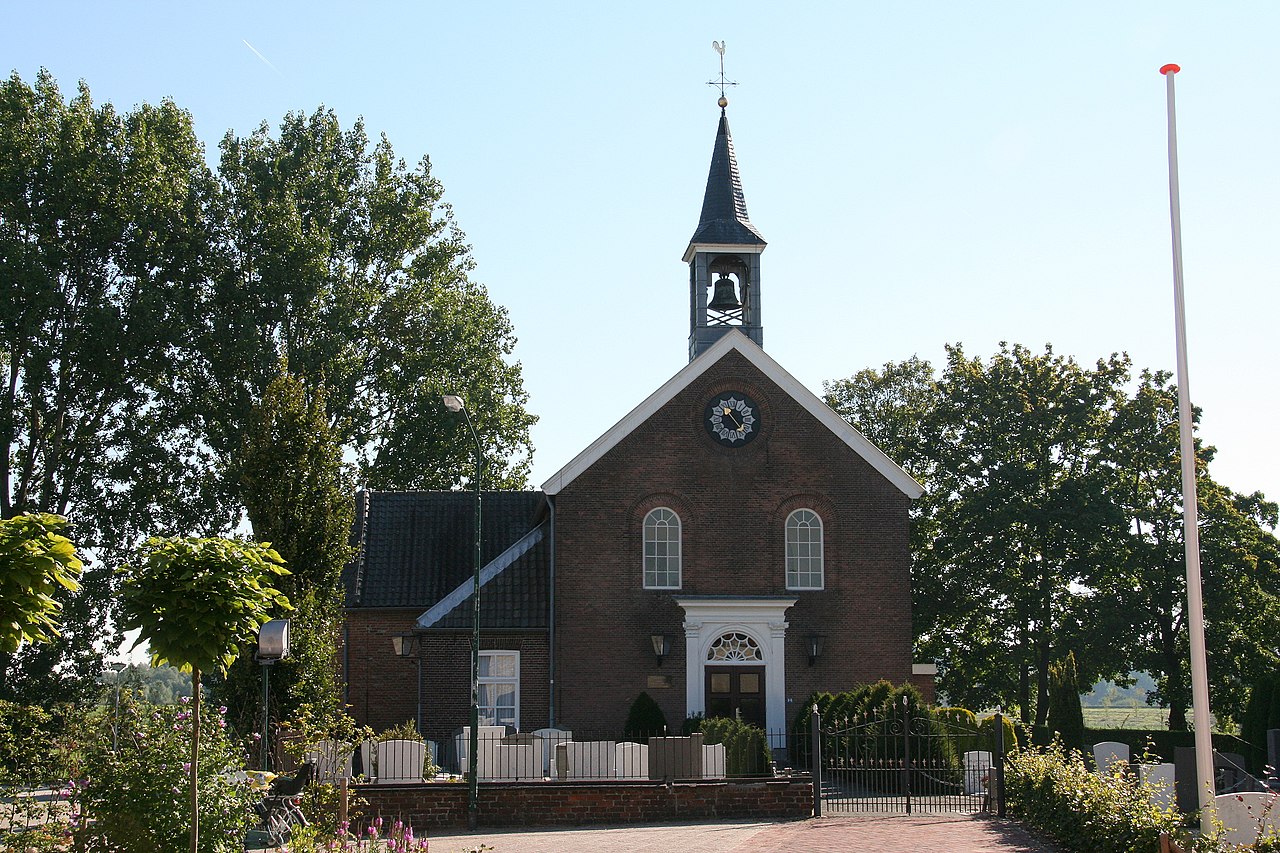


Geography and landscape
The village stands on low-lying land shaped by rivers and tidal influences. The Alm River runs through or alongside the settlement, and the nearby Afgedamde Maas is a former branch of the Meuse that has been managed by dikes and locks. The surrounding area includes polders, reedbeds and agricultural fields, which support farming and offer habitat for waterfowl.
History and development
Giessen developed as a riverside community whose layout and economy were long influenced by access to inland waterways. Like many villages in North Brabant, its origins are connected to farming, fishing and local trade along the river. Over time the village became administratively part of larger municipal structures, while preserving a village centre with traditional buildings and local institutions.
Community, economy and access
Today the local economy is dominated by agriculture and small-scale services; many inhabitants commute to nearby towns for work. The village offers basic amenities such as a primary school, church and community clubs, and it is connected by regional roads and cycling routes. Water-based recreation, birdwatching and walking along the river margins are common activities for residents and visitors.
- Location: Alm River and Afgedamde Maas.
- Province: North Brabant, Country: the Netherlands.
- Population: approximately 1,500 people.
Giessen's importance lies less in size than in its representation of the Dutch river landscape: a small settlement shaped by waterways, dikes and agriculture, offering insight into regional rural life and the management of lowland water systems.
Author
AlegsaOnline.com Giessen (North Brabant) — village in Altena, the Netherlands Leandro Alegsa
URL: https://en.alegsaonline.com/art/138879