
George B. McClellan: Union General, Organizer, and Political Figure
Biography of George B. McClellan, West Point graduate and Union Army commander during the American Civil War, organizer of the Army of the Potomac, 1864 presidential candidate and later Governor of New Jersey.
Overview
George Brinton McClellan (December 3, 1826 – October 29, 1885) was a prominent American military officer, engineer and politician. Best known for organizing and commanding the Army of the Potomac early in the American Civil War, he combined administrative skill and caution in ways that earned both praise and criticism. He later ran for president and served as Governor of New Jersey.
Image gallery
10 Images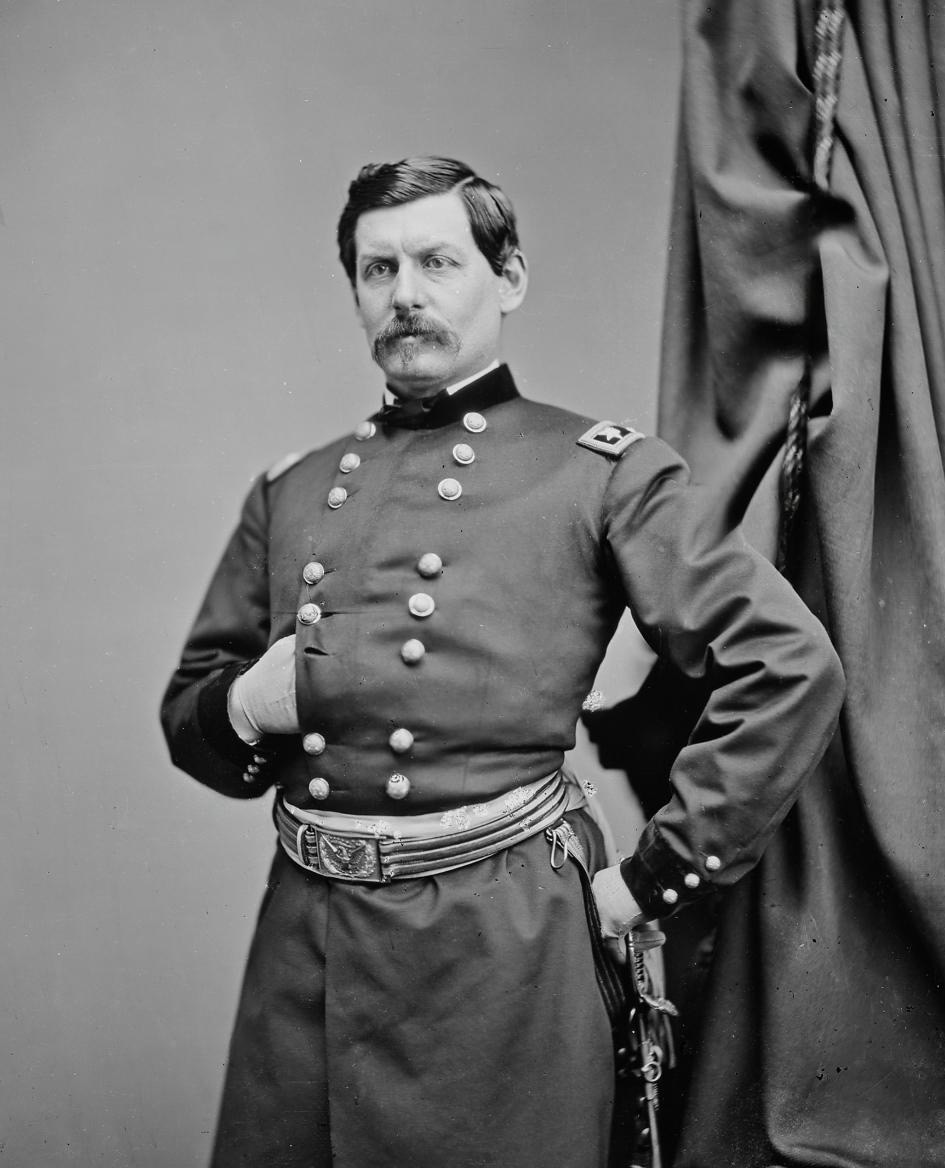


Early life and civilian career
McClellan graduated from the United States Military Academy and served as an engineer in the antebellum army, including service during the Mexican–American War. Between military assignments he worked in civil engineering and railroad management, developing a reputation as an able organizer and planner. His technical background informed his approach to training and equipping troops when war broke out.
Civil War command and style
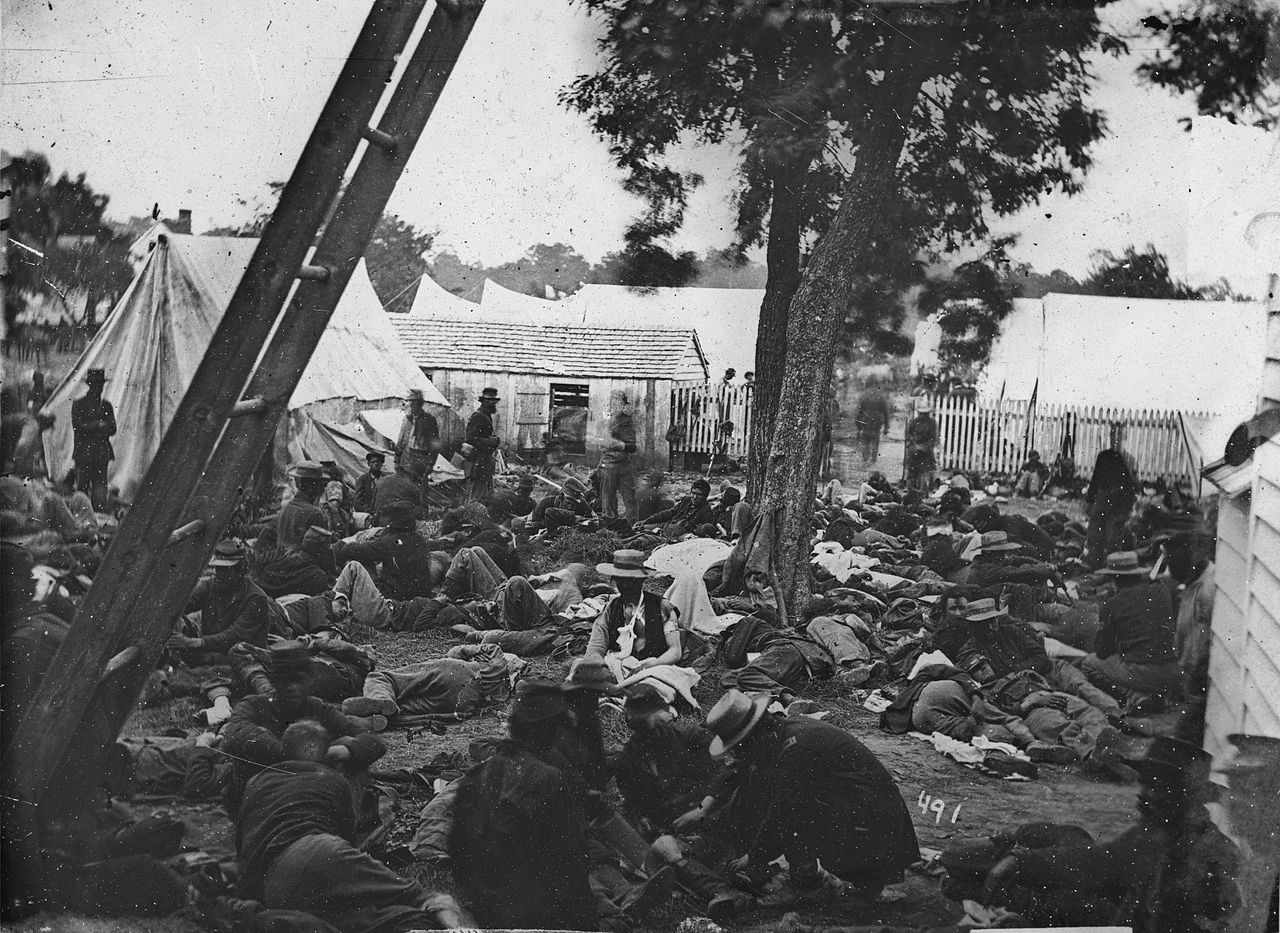
Elevated to major-general and placed in charge of the Army of the Potomac, McClellan transformed raw volunteers into a disciplined army, emphasizing drilling, logistics and morale. He favored thorough reconnaissance and deliberate battle plans, a cautious style that often led to slow advances. His principal campaigns included the large-scale but ultimately unsuccessful Peninsular Campaign aimed at Richmond and the battle of Antietam, where Union forces halted a Confederate invasion.
Controversies, leadership disputes and relationship with Lincoln
McClellan’s carefulness drew criticism from political leaders who wanted more decisive action. Tensions grew between him and President Abraham Lincoln over strategy, pace and the use of troops. Those differences, along with disagreements about authority and timing, led to his removal from command. Personal animosity from figures in Washington, including members of the Lincoln household, has been cited by historians as one factor among many in the political context of his relief.
Political career and later life
After leaving active military command, McClellan entered politics. He was the Democratic nominee for president in 1864, running against Lincoln, but was defeated. Years later he served as Governor of New Jersey, returning to public life with a focus on civil administration. He also resumed engineering work and was at one point offered academic leadership; for example, he received an offer to lead the University of California.
Legacy and evaluation
Assessments of McClellan are mixed. Supporters highlight his role in creating a capable Union army and his organizational talents; critics point to lost opportunities and an unwillingness to accept battlefield risk. He remains a subject of debate among scholars studying military command, civil–military relations and wartime politics. For more detailed primary documents and analysis, consult major collections and biographies of Civil War leaders.
Notable characteristics and engagements
- Leadership traits: methodical planning, emphasis on training, logistical skill, caution in offensive operations.
- Major actions: organization of the Army of the Potomac, Peninsular Campaign, Battle of Antietam.
- Political roles: 1864 presidential candidate, Governor of New Jersey, later civilian engineer and public figure.
For additional context and primary sources, see military orders and memoirs related to McClellan’s commands and the broader campaigns of the Union army. Further reading on the war’s diplomacy and politics is available through collections that cover Lincoln’s administration and wartime governance, including interpretations of McClellan’s relations with key figures such as Abraham Lincoln and his contemporaries. Regional studies of Virginia and battlefield analyses of the Peninsular Campaign and Antietam offer detailed operational perspectives. For biographical and archival material, consult repositories that preserve Civil War-era engineering records and state government archives from New Jersey and Pennsylvania. McClellan’s postwar engineering and administrative career is discussed in accounts of 19th-century American railroads and public institutions (engineering sources).
Author
AlegsaOnline.com George B. McClellan: Union General, Organizer, and Political Figure Leandro Alegsa
URL: https://en.alegsaonline.com/art/138813