
Freddie King (1934–1976): American blues guitarist and singer
Overview of Freddie King, a pioneering Texas–Chicago blues guitarist known for instrumentals like "Hide Away," his recordings, influence on rock and blues guitarists, and his legacy.

Freddie King was an American blues guitarist and singer whose fiery instrumental work and powerful vocals helped bridge regional blues styles and influence a generation of guitarists. Born in Gilmer, Texas, in 1934, King rose to prominence in the late 1950s and early 1960s with a string of recordings that combined the attack of Texas blues with the urban phrasing of Chicago blues, while also drawing on the broader tradition of blues.
Image gallery
2 Images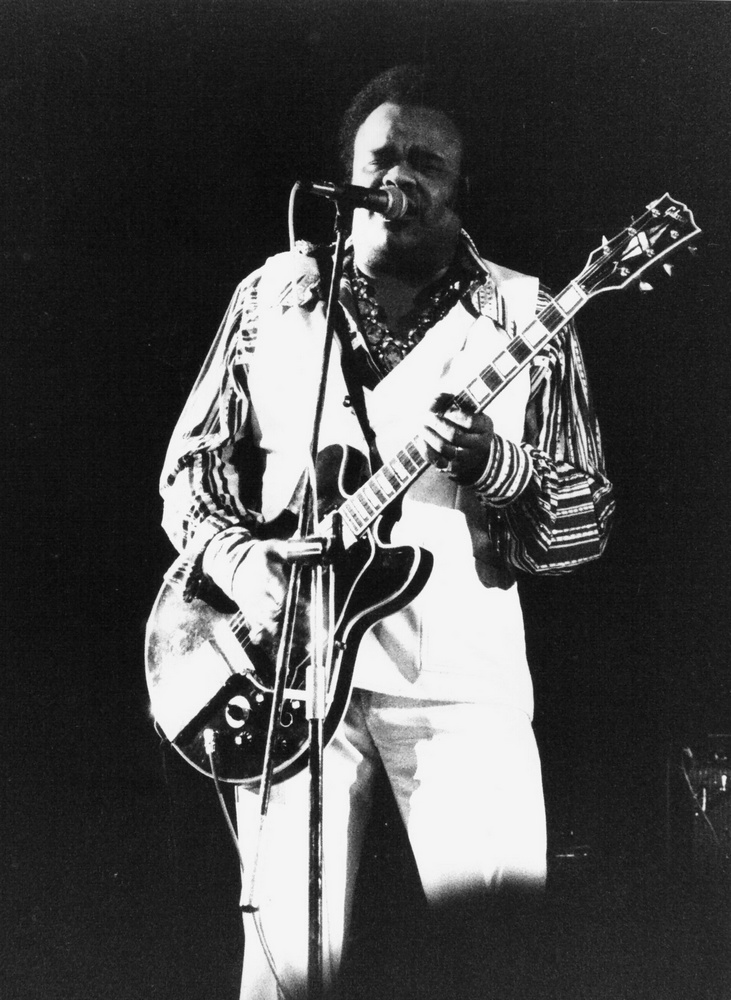

Early life and career
King relocated as a young man to pursue music, eventually recording for labels that brought his sound to national attention. His early singles were released through Federal Records and established him as a guitarist with a bright, aggressive pick attack and a knack for memorable instrumental hooks. He combined instrumental virtuosity with concise songcraft, making many tracks accessible to both blues audiences and the emerging rock market.
Style and notable recordings
King's style is often described as a synthesis of regional blues traditions: the open-string runs and single-note lines associated with Texas players, together with phrasing and dynamics borrowed from Chicago electric blues. He favored strong, melodic instrumentals and economical solos that emphasized feel as much as speed.
- "Hide Away" (1961) — his best-known instrumental and a blues standard.
- "San-Ho-Zay" (1961) — another instrumental hit showcasing his rhythmic drive.
- "The Stumble" (1962) — a frequently covered composition among blues and rock players.
Later developments and influence
As the 1960s progressed, King worked with producers who brought more rhythm and blues and rock-oriented elements into his recordings, broadening his audience. His concise, melodic solos and instrumental compositions were especially influential on British and American guitarists of the 1960s and 1970s who sought to combine blues vocabulary with rock energy.
Legacy and recognition
King's recordings have endured as staples of blues radio and guitar study. Posthumous recognition includes induction into the Rock and Roll Hall of Fame. Musicians and historians often cite him as a pivotal figure who helped translate traditional blues into a form that modern electric guitarists could adopt.
Final years and death
King continued to record and tour into the 1970s. He died in December 1976 in Dallas, Texas, from complications of pancreatitis at the age of 42. Despite his relatively short life, his compact instrumental numbers and expressive singing left a lasting imprint on blues and rock guitar playing.
Selected recordings listed above remain frequently reissued and covered. For further reading, consult general resources on blues history and artist discographies that document Freddie King's studio sessions and influence on subsequent generations of musicians.
Author
AlegsaOnline.com Freddie King (1934–1976): American blues guitarist and singer Leandro Alegsa
URL: https://en.alegsaonline.com/art/138588
Sources
- blues.org : "2008 Hall of Fame Inductees: Freddy King Sings – Freddie (Freddy) King (King, 1961)"
- allmusic.com : "Freddie King: Biography"