
Frances E. Allen — pioneering computer scientist and compiler researcher
Profile of Frances E. Allen, an American computer scientist known for foundational work in optimizing compilers, program analysis and automatic parallelization; first woman to win the Turing Award.
Overview
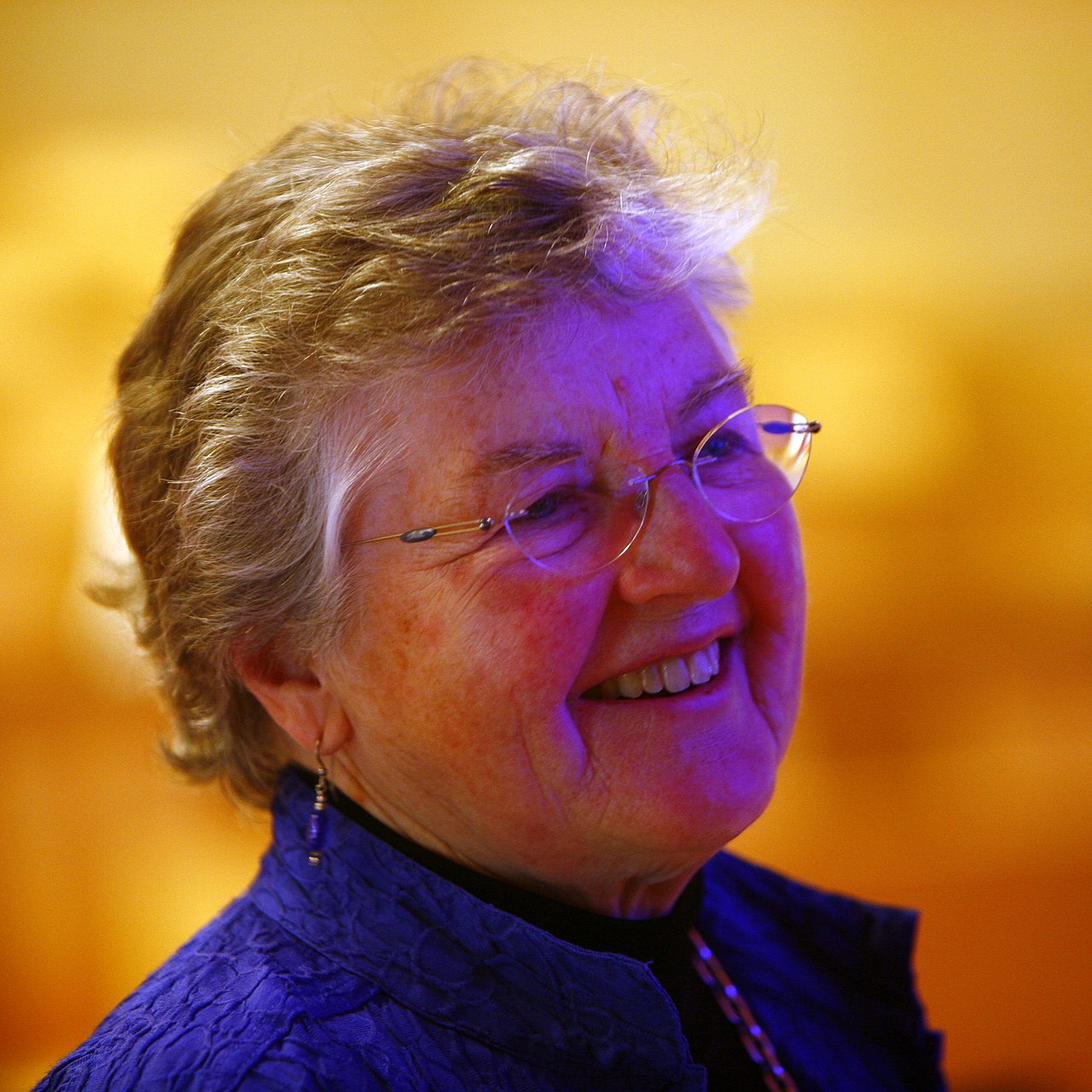
Frances Elizabeth "Fran" Allen (August 4, 1932 – August 4, 2020) was an American computer scientist and a central figure in the development of optimizing compilers. Over a long research career she advanced methods that let compilers transform high‑level code into faster, more efficient machine code; these techniques underpin many modern development tools and high‑performance systems. She is widely regarded as a pioneer for both her technical contributions and her role as a pathfinder for women in computing.
Image gallery
2 Images
Major contributions
Allen's research focused on program analysis and transformation. She helped develop systematic techniques for detecting program properties, removing redundant work, and restructuring code so that compilers could perform aggressive optimization and code improvement. Her work on automatic parallelization showed how serial programs could be analyzed and converted to take advantage of multiple processors, an idea that became increasingly important with the rise of parallel hardware.
Career and applied work
Allen spent most of her professional life at IBM research, where she led teams that explored new compiler architectures and optimization strategies. Early in her career she also worked on programming languages and projects connected to national security; these included language design and code analysis efforts for government agencies such as the National Security Agency and related security code work referenced by historical accounts (intelligence collaboration). Her combined theoretical and practical work helped translate research ideas into tools used in commercial and scientific computing.
Awards, milestones and later years
Allen reached several notable milestones: she became the first woman appointed as an IBM Fellow, a senior technical distinction, and in 2006 she became the first woman awarded the ACM Turing Award for fundamental contributions to the theory and practice of optimizing compilers (Turing Award). She retired after a multi‑decade career but remained an influential voice in programming language and compiler communities. She died in Schenectady, New York, on her 88th birthday; accounts note her death was related to Alzheimer's disease complications and local reports record the place of passing (Schenectady report).
Legacy and impact
Tools and techniques that Allen helped create are embedded in modern compilers, automated performance analyzers, and systems that convert sequential code to parallel code. Her blend of rigorous program analysis and practical implementation influenced both academic research and industrial practice, helping push forward efficient compilers for scientific computing, enterprise systems, and high‑performance applications.
Notable facts
- Trailblazer: First woman to receive the ACM Turing Award and the first female IBM Fellow.
- Fields: Compiler optimization, program analysis, and automatic parallelization.
- Institutional affiliation: Long career at IBM research with work tied to national security projects and programming language design.
- Recognition: Celebrated for bridging theory and practice in programming language implementation and for mentoring younger researchers.
For further reading on specific papers, technical terms and historical context, consult dedicated biographies and technical surveys of compiler construction and optimization (biographies, technical reviews).
Author
AlegsaOnline.com Frances E. Allen — pioneering computer scientist and compiler researcher Leandro Alegsa
URL: https://en.alegsaonline.com/art/138526