
Duke Cunningham
Randall "Duke" Cunningham, American naval aviator and Republican U.S. Representative (CA-50, 1991–2005). His congressional career ended after convictions for bribery, tax evasion and related charges; released from prison in 2013.
Overview
Randall "Duke" Cunningham (born December 8, 1941) is an American former naval aviator and Republican politician who represented California's 50th Congressional District from 1991 until 2005. He gained public attention for his military service and later for a high-profile corruption case that ended his congressional career. His story is often cited in discussions of defense contracting, congressional ethics and accountability.
Image gallery
9 Images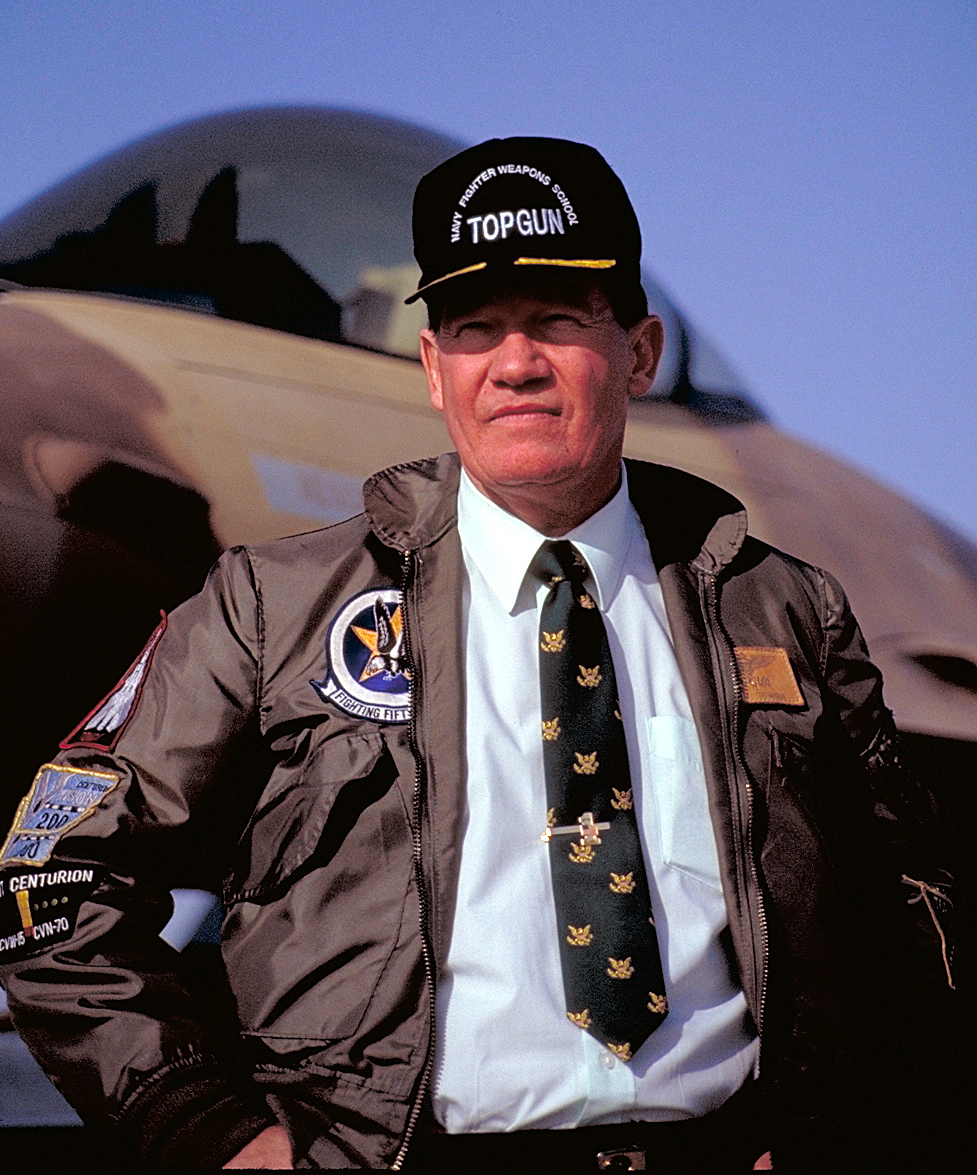


Early life and military service
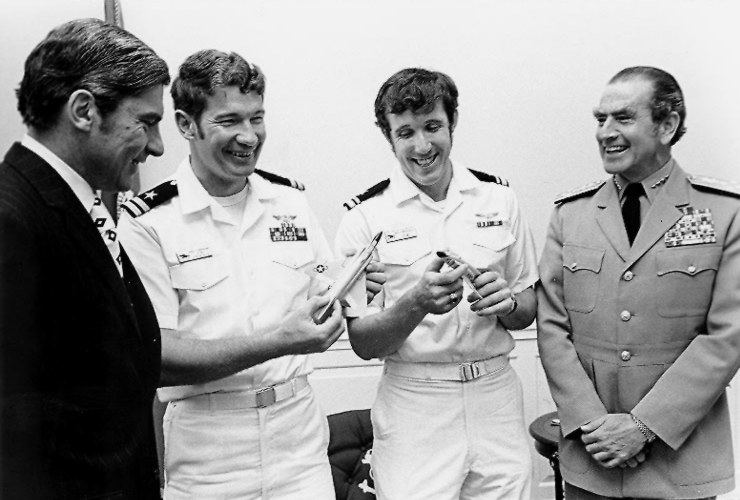
Cunningham served in the United States Navy as a pilot during the Vietnam era. He flew combat missions and was recognized as a decorated naval aviator for actions in combat. His military record and reputation on defense issues were central to his public profile when he later ran for and served in Congress. For details about his naval service consult the official records and summaries at Navy records.
Congressional career
First elected to the House in 1990, Cunningham represented a district in Southern California for multiple terms. As a member of Congress he focused on defense, appropriations and veterans' affairs, and he worked to secure defense-related projects and contracts for his district. During his tenure he was a member of the Republican Party; biographical and party information can be found through his congressional biography and official party records.
Investigation, charges and conviction
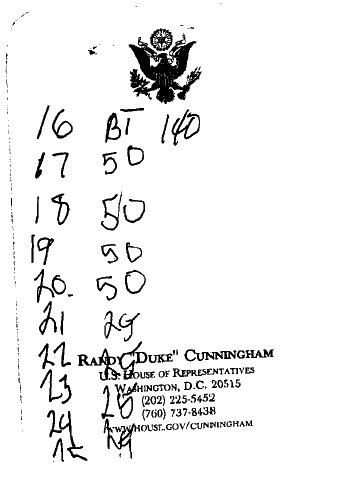
In the mid-2000s Cunningham's career collapsed amid federal investigations into payments, gifts and improper relationships with defense contractors. He pleaded guilty to charges including tax evasion and conspiracy to commit bribery, acknowledging that he accepted money and gifts in connection with his official actions. Court filings and summaries of the charges are available at legal and reporting resources such as tax charge details and bribery charge details. Following his plea he resigned from Congress and was sentenced to federal prison.
Imprisonment and release
Cunningham served his sentence at a federal facility in Tucson, Arizona. He was released from prison in February 2013 and subsequently completed part of his supervision in a transitional setting. Reports after his release indicate he spent time in New Orleans during a period of supervised release and residency in a halfway house; see prison records, post-release reports and halfway house notices for contemporary coverage and official notices.
Legacy and public response
Cunningham's case remains a notable example of the overlap between elected officials, defense interests and ethics enforcement. His earlier military service and subsequent criminal convictions are both prominent parts of his public legacy. The case prompted attention to oversight of procurement, stricter enforcement of ethics rules and renewed scrutiny of relationships between lawmakers and contractors.
Further reading
- Official congressional biography and archival materials: congressional biography.
- Contemporary legal documents and charge summaries: tax filings and court records, bribery and conspiracy documents.
- Records on military service: Navy records.
- Information on incarceration and supervised release: prison records, post-release reporting, halfway house notices.
Author
AlegsaOnline.com Duke Cunningham Leandro Alegsa
URL: https://en.alegsaonline.com/art/137717