
Brass band
A brass band is an ensemble of brass instruments and percussion. This article explains its instruments, history, main traditions (British, New Orleans, military), repertoire and community role.
Overview
A brass band is a musical ensemble built primarily from brass instruments and a percussion section. Unlike mixed orchestras or concert bands, a brass band relies on the characteristic tones of valved and slide brass—cornets, trumpets, horns, trombones and tubas—supported by drums and other percussion. Many communities, schools and military units maintain brass bands for ceremonial, competitive and entertainment purposes. The term can cover a range of group sizes and styles, from street ensembles to highly disciplined concert bands.
Image gallery
10 Images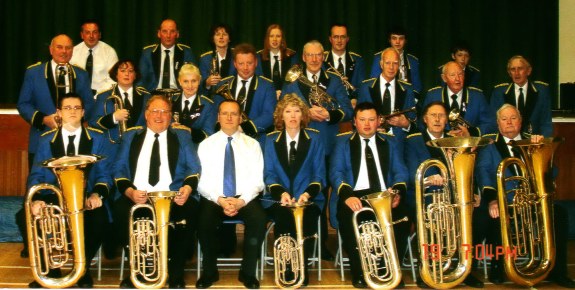





Typical instrumentation
Instrumentation varies by tradition, but a common concert-style lineup emphasizes homogeneity of brass timbres and often includes a dedicated percussionist. A typical list might include:
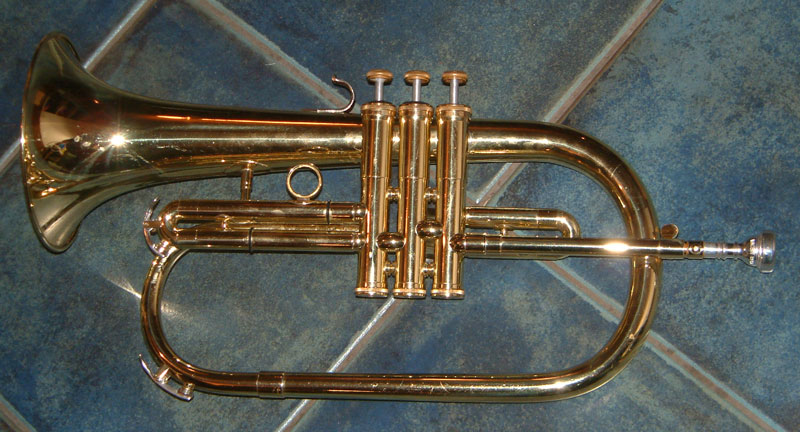
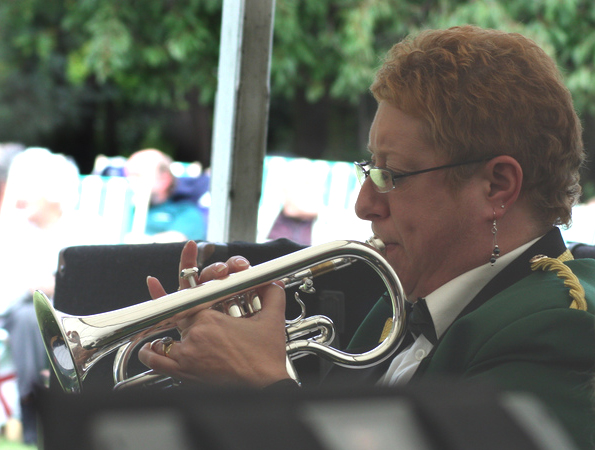
- Cornets and sometimes trumpets or other brass instruments handling melody and high harmony
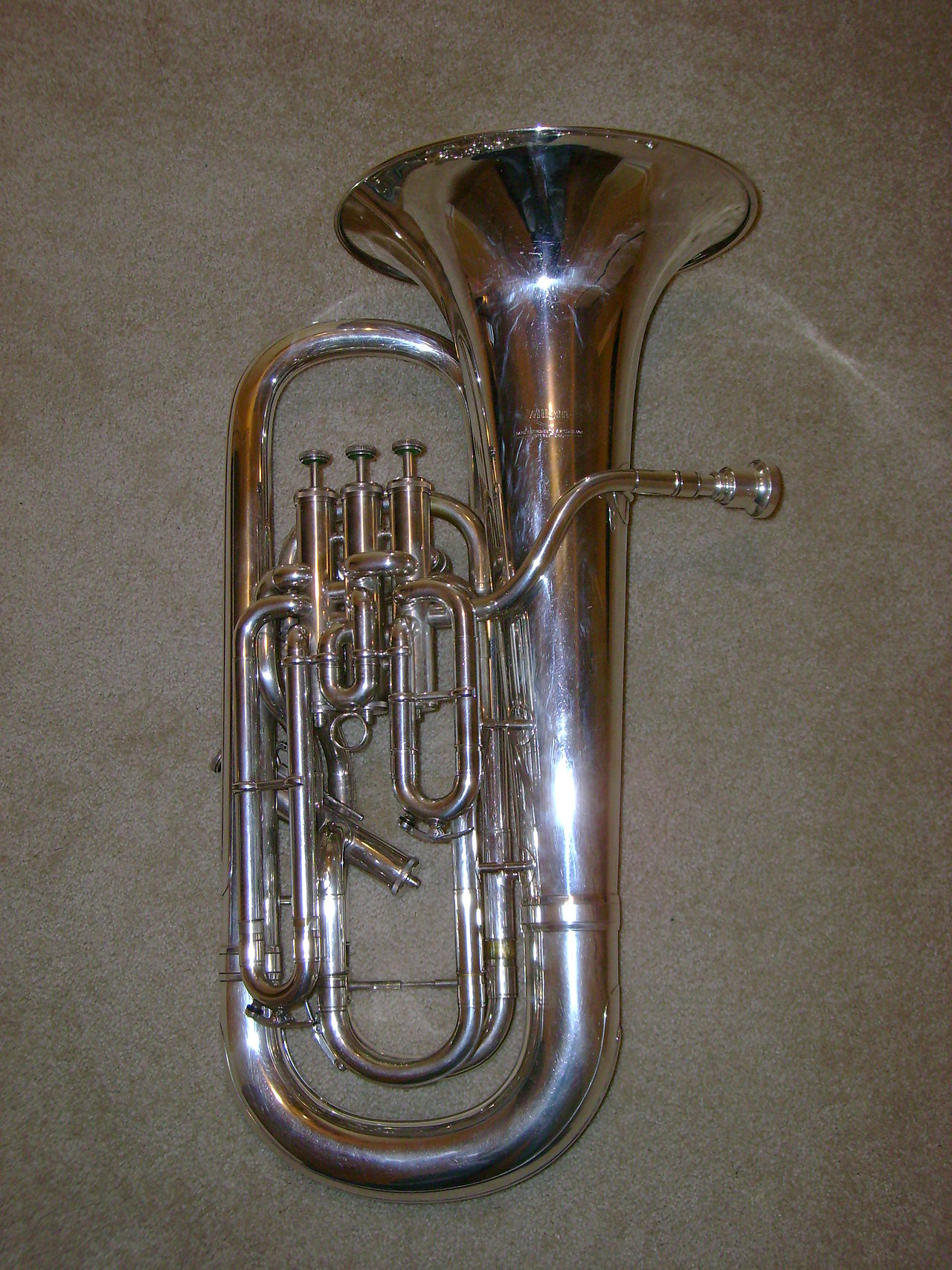
- Euphoniums and tenor horns providing tenor voices and lyrical solos
- Tenor and bass sections: tenor trombone, trombones and bass trombone parts
- Low bass provided by tuba and similar instruments
- A drum or percussion section to supply rhythm and color
History and development
Brass bands grew in prominence during the 19th century as improvements in valve and manufacturing technology made brass instruments more reliable and expressive. They became fixtures in industrial towns, military contexts and civic life, where bands served for parades, ceremonies and public concerts. Over time distinct regional styles developed, producing specialized repertoires, competition cultures and teaching traditions.
Major types and traditions
Several recognizable traditions exist. The British brass band model is a formal concert ensemble usually numbering around 25–26 players and following a set instrumentation and grading system. In the United States some ensembles blend march and concert traditions. New Orleans-style brass bands emphasize street performance, improvisation and jazz-influenced repertoire. Military brass bands keep a ceremonial focus and often use marching formations.
Repertoire, competitions and role
Repertoire ranges from transcriptions of orchestral and popular works to original compositions written for brass band. Many countries host regional and national contests that encourage high performance standards and new works. Brass bands also play important educational roles, providing pathways for young musicians, community engagement and local identity—often appearing at festivals, civic ceremonies and funerals.
Distinctive features and notable facts
Brass bands are distinguished by their unified sonority, the interplay of solo and ensemble roles, and a tradition of community-based organization. Their flexible format supports both precision concert literature and lively outdoor performance. Instruments and parts are often standardized within a tradition, which helps composers and arrangers write effectively for the medium.
Related articles
Author
AlegsaOnline.com Brass band Leandro Alegsa
URL: https://en.alegsaonline.com/art/13748
Sources
- wordnetweb.princeton.edu : "WordNet Search"
- newenglandbrassband.org : "NewEnglandBrassBand.org Instrumentation"