
Dennis C. Blair — U.S. Navy admiral and former Director of National Intelligence
Dennis C. Blair (born 1947) is a retired U.S. Navy admiral who led U.S. forces in the Pacific and served as Director of National Intelligence in the Obama administration, later advising on security and intelligence issues.
Dennis Cutler Blair (born February 4, 1947) is a retired United States Navy admiral and public official. He is best known for senior operational command in the Pacific region and for serving as the Director of National Intelligence (DNI) in the early Obama administration. Blair's professional background combines decades of naval service, White House staff experience, and subsequent roles in public policy and advising.
Image gallery
5 Images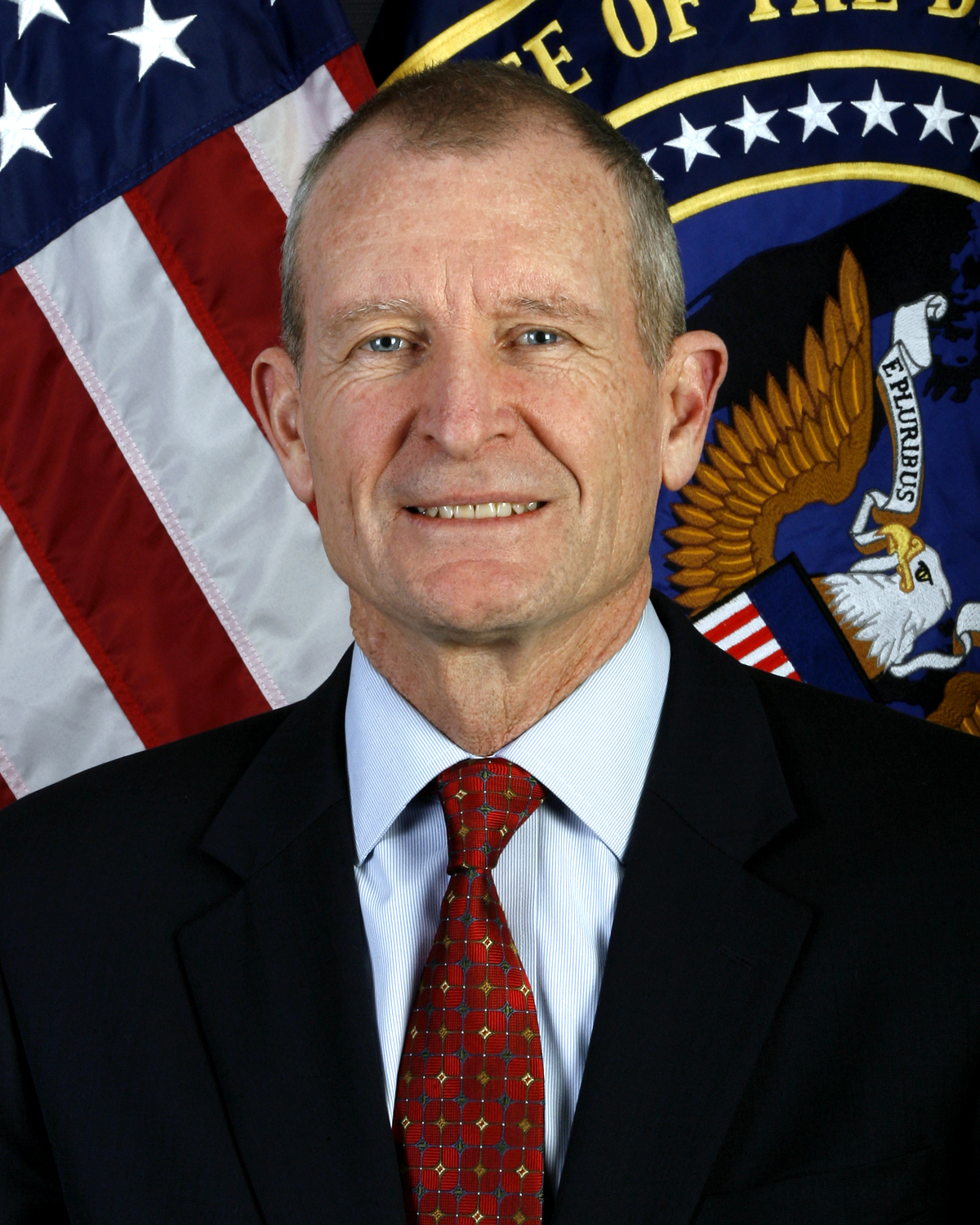


Naval career and Pacific command
Blair spent a long career in the U.S. Navy, advancing through sea and shore assignments to four‑star rank before his retirement in 2002. In senior uniformed roles he was responsible for strategy and operations in the Asia‑Pacific theater, a region of central importance to U.S. maritime posture. His naval service included command and staff positions that emphasized joint operations, regional diplomacy with allied militaries, and maritime strategy.
White House service and interagency experience
At several points in his career Blair worked inside the Executive Office of the President and in national security councils, serving during the administrations of Presidents Jimmy Carter and Ronald Reagan. Those assignments gave him prolonged exposure to interagency policy processes, civil‑military relations, and the mechanics of executive decision making.
Director of National Intelligence
In 2009 President Barack Obama nominated Blair as Director of National Intelligence. As DNI he was charged with coordinating the U.S. intelligence community, improving information sharing among agencies, and providing assessments for senior civilian and military leaders. His tenure focused on integration efforts and on implementing elements of intelligence reform enacted after the attacks of September 11, 2001. He resigned from the position on May 20, 2010, after encountering significant management and bureaucratic challenges within the intelligence community.
Post‑government work
Following his public service, Blair remained active on national security topics through writing, speaking, and advisory roles. He has participated with think tanks, commissions, and boards, offering expertise on Asia‑Pacific security, maritime issues, intelligence reform, and civil‑military affairs. His later work reflects a continued interest in strengthening interagency coordination and in U.S. policy toward the Pacific.
Notable aspects and legacy
- Operational leadership: Senior command experience in the Pacific shaped his views on regional strategy and alliance management.
- Interagency coordination: Service on White House staffs and as DNI highlighted both the possibilities and limits of reforming large bureaucracies.
- Public engagement: After retirement he contributed to public discussion on intelligence oversight, maritime policy, and U.S. strategy in Asia.
For official background and additional materials see institutional pages and archival records. Useful entry points include the office of the Director of National Intelligence, resources on the U.S. intelligence community, and historical records of the United States Navy. Context on his White House service may be found via collections related to White House staff during the Carter and Reagan years and presidential libraries concerning President Jimmy Carter and President Ronald Reagan. Contemporary reporting on his nomination and tenure refers to his selection by President Barack Obama and ensuing debates about intelligence management.
This entry summarizes broadly known aspects of Blair's career and public roles. For detailed timelines, speeches, and specific assignments consult official biographies, congressional records, and published interviews in reputable outlets.
Author
AlegsaOnline.com Dennis C. Blair — U.S. Navy admiral and former Director of National Intelligence Leandro Alegsa
URL: https://en.alegsaonline.com/art/137436