
Charles H. Coolidge
American Army veteran and Medal of Honor recipient (1921–2021) honored for gallantry in World War II; later a public figure and the oldest living MOH recipient at his death.
Overview
Charles Henry Coolidge (August 4, 1921 – April 6, 2021) was a United States Army veteran and a recipient of the U.S. military's highest decoration, the Medal of Honor. Born in 1921, he served during World War II and was recognized for extraordinary leadership and courage in combat. After returning to civilian life he remained a respected figure in his community and among veterans.
Image gallery
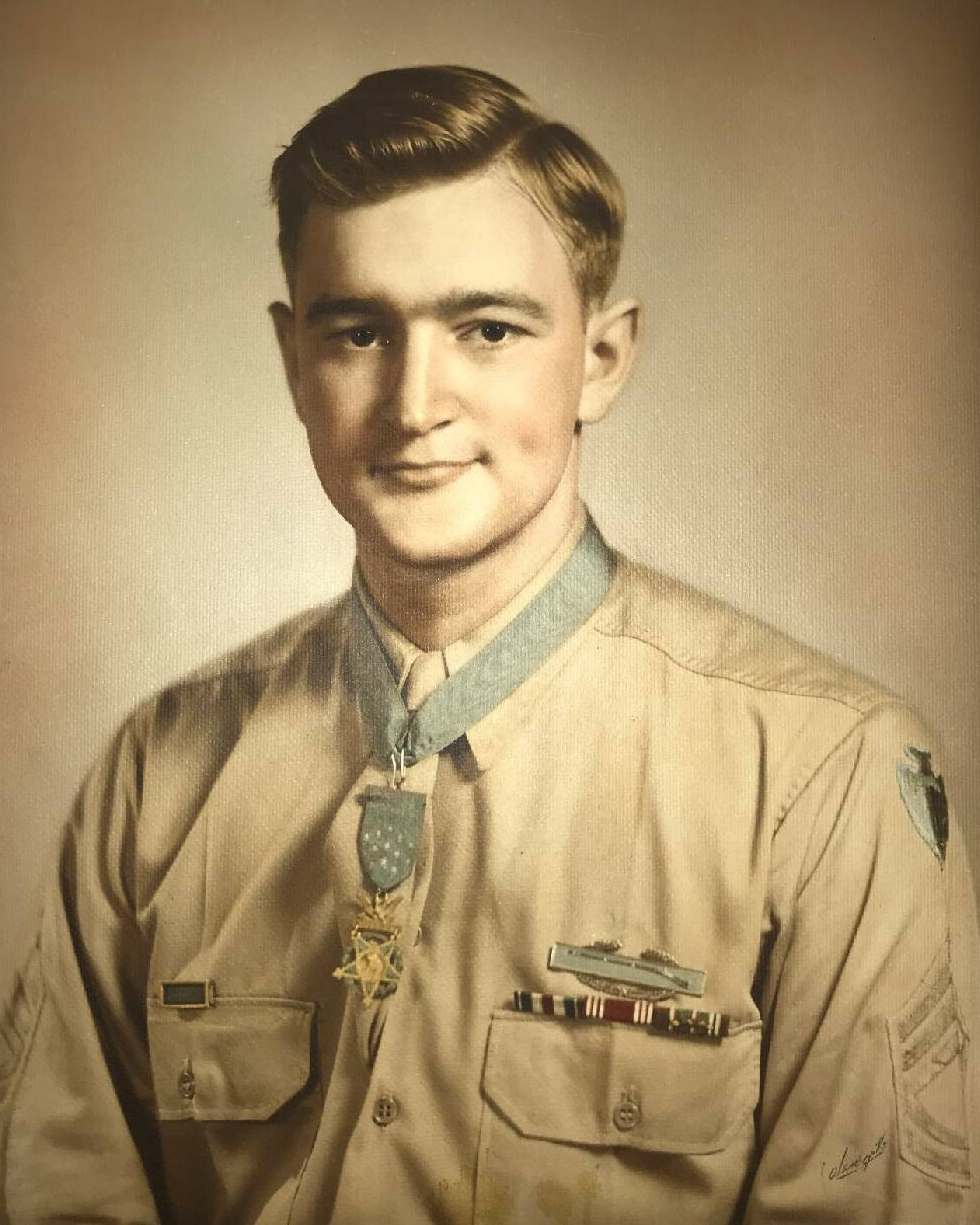
4 Images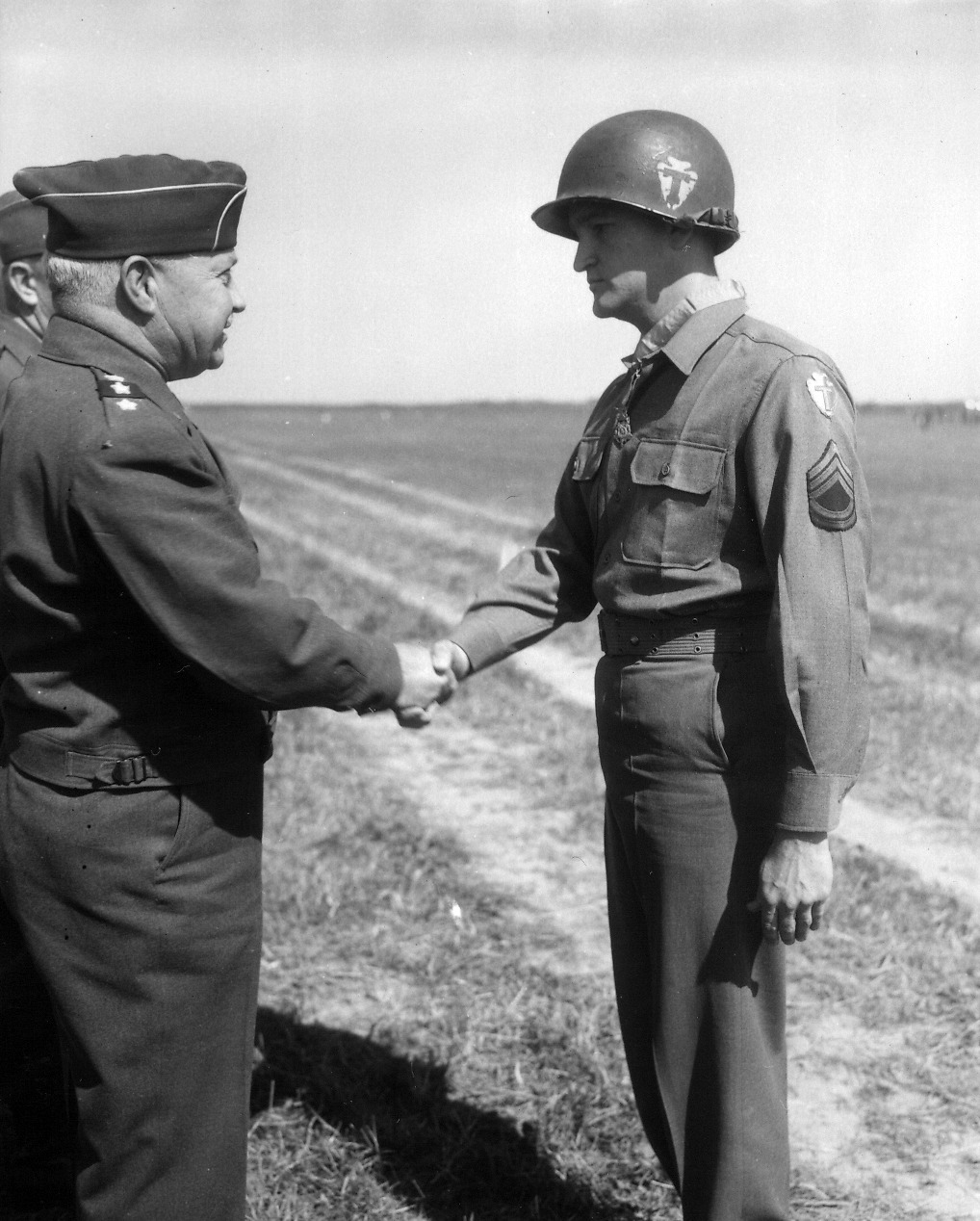


Military service and Medal of Honor
Coolidge enlisted in the U.S. Army and saw frontline service during the global conflict. His conduct during sustained combat operations drew notice for steadfast defense of his position and the protection of wounded comrades under heavy enemy fire. For these actions he was awarded the Medal of Honor, a decoration reserved for service members who distinguish themselves by acts of valor above and beyond the call of duty.
Significance of the award
The Medal of Honor is the United States' premier military honor. Recipients like Coolidge are recognized not only for a single courageous act but often for leadership that inspires and saves lives. His citation placed him among a small number of soldiers whose deeds are cited as exemplary examples of personal sacrifice and battlefield effectiveness.
Later life and legacy
Following the war, Coolidge returned to Tennessee and remained active in veteran affairs and local civic life. He became a symbol of the generation that fought in World War II and was frequently called upon to speak about service, duty, and remembrance. At the time of his death he was widely reported to be the oldest living recipient of the Medal of Honor.
Coolidge died on April 6, 2021, at his home in Chattanooga, Tennessee. He was 99 years old. His death was attributed to complications related to multiple sclerosis, a chronic neurological condition that can affect mobility and health over time.
Notable facts
- Full name: Charles Henry Coolidge; lived 1921–2021.
- Decorated for conspicuous gallantry during World War II.
- Recognized as a prominent veteran and community leader after the war.
- Passed away in Chattanooga at age 99; his death was linked to long-term illness.
- Further biographical and service records are available through military and historical archives and veteran organizations (Army service records and biographies).
Coolidge's story is often cited when discussing mid-20th-century American military history and the personal sacrifices made by soldiers during large-scale conflicts. His life illustrates the transition from wartime service to postwar civic engagement and the enduring public interest in Medal of Honor recipients as representatives of national values.
Author
AlegsaOnline.com Charles H. Coolidge Leandro Alegsa
URL: https://en.alegsaonline.com/art/136355