
Benjamin Harrison — 23rd President of the United States (1889–1893)
Biography and overview of Benjamin Harrison: early life, Civil War service, legal and political career, presidency (policies and legislation), family, and historical legacy.
Benjamin Harrison (August 20, 1833 – March 13, 1901) was the 23rd president of the United States, serving from 1889 to 1893. A Republican from Indiana, he defeated the incumbent Grover Cleveland in the disputed 1888 election but lost to Cleveland in a rematch in 1892. Born into a prominent political family, Harrison was the grandson of President William Henry Harrison, the only grandson of a president to later hold the presidency himself. He lived for much of his adult life in Indianapolis and is remembered for his active use of federal power, economic legislation, and efforts to modernize the Navy.
Image gallery
10 Images


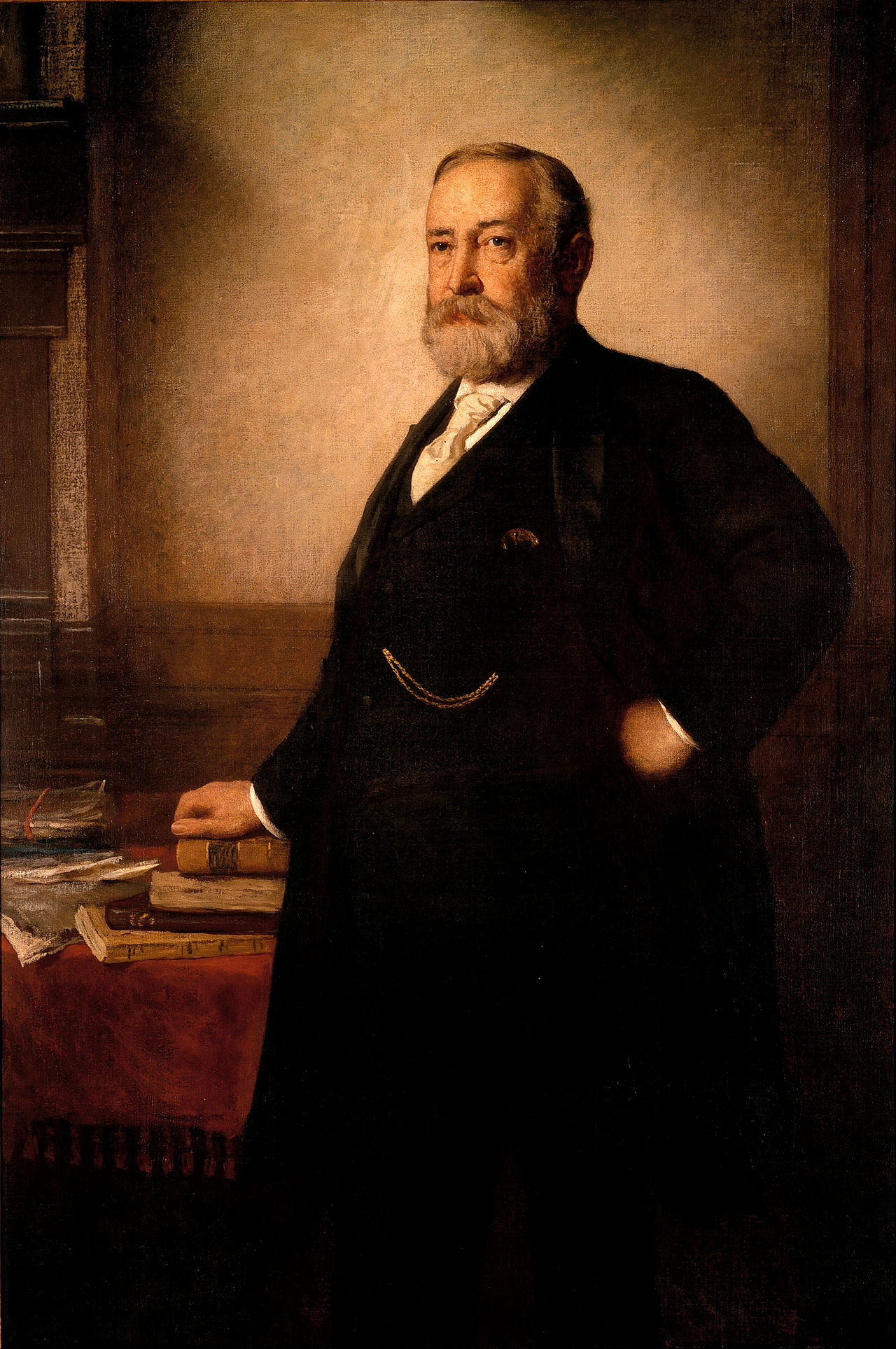
Early life, law career, and Civil War service
Harrison trained as a lawyer and built a successful practice, arguing many cases before the Supreme Court. His professional reputation and family connections helped launch his public career. During the American Civil War he served in the Union forces, rising to regimental command as a colonel in the Union Army. For his wartime service he later received a brevet promotion to brigadier general. After the war he returned to law and became active in Republican politics, eventually serving as a U.S. senator from Indiana before seeking the presidency.
Presidency: policies and legislation
Harrison entered the White House at a time of rapid industrial growth and partisan friction. His administration supported protective tariffs and a strong national government. Congressional legislation passed during his term included major antitrust and monetary measures; his presidency is associated with the Sherman Antitrust Act and the Sherman Silver Purchase legislation, both enacted in 1890, and with a high-tariff package pursued by Republican leaders that year. The period is sometimes remembered as the "Billion-Dollar Congress" because federal spending reached new highs under Republican majorities.
- Economic policy: protectionist tariffs and legislation addressing corporate combinations and silver purchases.
- Naval and military modernization: efforts to expand and modernize the Navy to reflect U.S. interests overseas.
- Civil rights stance: Harrison backed voting rights protections for African Americans and urged federal enforcement, but practical results were limited by congressional resistance.
Harrison also made notable judicial and administrative appointments and used the presidency to expand the federal government's role in areas such as tariffs, interstate commerce, and foreign claims settlements. During his tenure the White House first had electric lighting installed, a technological milestone often mentioned in accounts of his administration; contemporary descriptions note the novelty of electricity in the executive mansion (electricity in the White House).
Personal life, marriages, and later years
Harrison married Caroline Lavinia Scott, widely known as Carrie, who served informally as the White House hostess until her death in 1892. He later remarried Mary Dimmick Harrison, a relative by marriage, in 1896. After leaving the presidency he returned to Indianapolis, resumed his law practice, and remained engaged in public affairs until his death in 1901.
Legacy and notable facts
Historians view Harrison as an able administrator whose legislative agenda reflected the priorities of his party and era: protective tariffs, a stronger navy, and federal responses to the economic challenges of industrialization. His term saw acts that shaped later antitrust policy and monetary debates. As a presidential successor who both defeated and was defeated by the same opponent, Harrison occupies a distinctive place in political history. He also stands out as a president who combined military service, extensive legal practice, and a prominent family background. For further detail on aspects of his life and presidency see legal, military, and political records and collections associated with his career (legal career).
References and archival materials about Benjamin Harrison are available through historical collections and presidential libraries; online portals and library catalogs can provide original documents, speeches, and contemporary accounts for those seeking primary sources (Civil War records, military service, and public law texts).
Questions and answers
Q: Who was Benjamin Harrison?
A: Benjamin Harrison was the 23rd president of the United States (1889-1893) and the grandson of President William Henry Harrison.
Q: Where was Benjamin Harrison's home?
A: Benjamin Harrison's home was in Indianapolis, Indiana.
Q: What political party was Benjamin Harrison a member of?
A: Benjamin Harrison was a member of the Republican party.
Q: Who did Benjamin Harrison beat in the presidential election of 1888?
A: Benjamin Harrison beat the incumbent, Grover Cleveland, in the presidential election of 1888.
Q: What was Benjamin Harrison known for being the first president to do while in the White House?
A: Benjamin Harrison was known for being the first president of the United States to use electricity in the White House.
Q: Who did Grover Cleveland beat in the presidential election that followed Benjamin Harrison's term as president?
A: Grover Cleveland beat Benjamin Harrison in the presidential election that followed his term as president.
Q: What was Benjamin Harrison's occupation before becoming president and what accolades did he achieve?
A: Before becoming president, Benjamin Harrison was a successful lawyer who argued many cases before the United States Supreme Court. During the American Civil War, he was a colonel in the Union Army and later a brevet brigadier general.
Related articles
Author
AlegsaOnline.com Benjamin Harrison — 23rd President of the United States (1889–1893) Leandro Alegsa
URL: https://en.alegsaonline.com/art/114971
Sources
- ourwhitehouse.org : "Benjamin Harrison"