
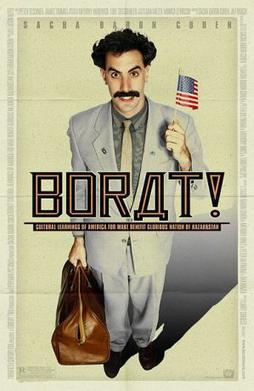
Borat: Cultural Learnings of America for Make Benefit Glorious Nation of Kazakhstan
2006 mockumentary comedy starring Sacha Baron Cohen as Borat Sagdiyev; satirical portrait of American culture that provoked praise, legal disputes, and controversy over ethnicity and representation.
Overview
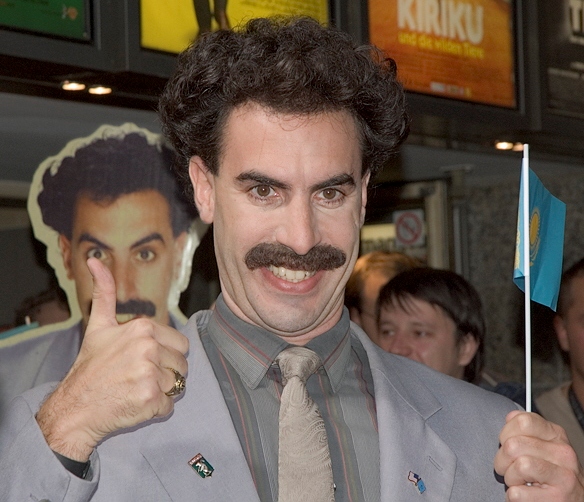
Borat: Cultural Learnings of America for Make Benefit Glorious Nation of Kazakhstan is a 2006 comedy presented in the form of a mockumentary that introduced the fictional Kazakh journalist Borat Sagdiyev to international audiences. Created and performed by English comedian Sacha Baron Cohen, the film mixes scripted scenes with real interactions to lampoon social attitudes, cultural stereotypes and media-driven celebrity. Critics and viewers noted both its bold satire and its willingness to push boundaries; some audiences praised its critique of prejudice, while others found elements offensive or misleading. For more on the film's format and intent see mockumentary style and the performer's background at comedic persona.
Image gallery
6 Images



Format, Character and Techniques
The film follows Borat, a brash, overtly opinionated fictional reporter whose outsider perspective creates awkward encounters with people he meets while traveling in the United States. The project uses a mix of staged sketches and unscripted interviews with non-actors, a method that aims to expose genuine reactions. This approach has been described in discussions of documentary practice and satire; see also analyses and interviews with the filmmaker at production notes and contemporary reviews at critical response. The character's exaggerated prejudices are meant as satire, though interpretations vary widely.
Production, Release and Reception
The film debuted to significant box-office success and broad media attention. Audiences reacted strongly, and the movie earned critical praise for its audacity and comic craft from some quarters while drawing sharp criticism from others. Sacha Baron Cohen co-wrote and performed the part, and his own identity and background were frequently discussed during coverage; background interviews and profiles are available at artist profile and public statements at creator interviews. Discussions of the film's awards, nominations and commercial performance appear in many cultural summaries and retrospectives at industry coverage.
Controversies, Legal Issues and Reactions
Because the film relies on real people interacting with a staged persona, several participants later claimed they had been misled and pursued legal action or public complaints. Commentators and community groups objected to certain depictions as racist, xenophobic or antisemitic, and those objections became a major part of the film's public history. Sacha Baron Cohen has defended the project as satirical social commentary and has pointed to his own background when responding to accusations. For reporting on disputes and official responses see legal disputes, community reactions, and statements by interested parties at official commentaries.
International Response and Legacy
The government and some public figures in Kazakhstan publicly criticized the movie for suggesting a distorted picture of the country; officials and others emphasized that Borat's character was fictional and did not represent Kazakhstan's people or culture. This diplomatic and cultural friction is documented in news reports and later reflections at international reaction and follow-up coverage. Over time the film has remained a common reference point in discussions of satire, ethics in documentary-style comedy, and the limits of social provocation.
Why the Film Matters
- It broadened popular awareness of mockumentary techniques and the use of character-driven satire to reveal social attitudes.
- It sparked debate about the responsibilities filmmakers have toward unwitting participants and about balancing satire with potential harm.
- It left a legacy in popular culture, including later projects that revisit or extend the character and themes.
For further reading, consult contemporary reviews, legal analyses and interviews with the creators and participants to understand the many perspectives the film generated.
Author
AlegsaOnline.com Borat: Cultural Learnings of America for Make Benefit Glorious Nation of Kazakhstan Leandro Alegsa
URL: https://en.alegsaonline.com/art/135516