
Benjamin Jealous — American civic leader and former NAACP president
Benjamin Jealous (born 1973) is an American civic leader, former NAACP president and 2018 Democratic nominee for Maryland governor. He is known for progressive advocacy, criminal-justice reform, and electoral activism.
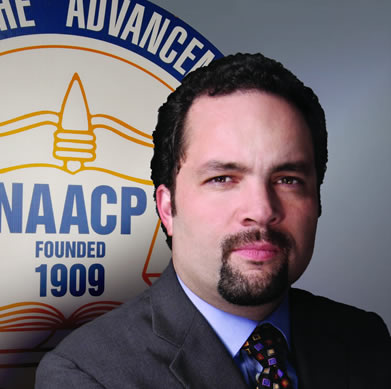
Benjamin Todd Jealous (born January 18, 1973) is an American civic leader and political activist. He gained national attention as the youngest-ever person to lead the National Association for the Advancement of Colored People (NAACP), and later entered electoral politics as the Democratic nominee for governor of Maryland in the 2018 gubernatorial election. In that general contest he faced incumbent Larry Hogan and ultimately lost to the incumbent, a result that shaped discussion about progressive politics and electability in the state and beyond. Larry Hogan remains an important reference point in analyses of the race.
Image gallery
4 Images


Early career and civic work
Jealous built his reputation in journalism, philanthropy and advocacy before leading the NAACP. He developed a public profile through organizing, communications work and directing charitable programs focused on economic opportunity and civic participation. His background combined grassroots outreach with national advocacy, which set the stage for his later emphasis on voter engagement and institutional reform.
Leadership of the NAACP
Jealous was selected at age 35 to become the national president and chief executive officer of the NAACP, a milestone that made him the youngest person to hold that role. He served in the position beginning in 2008 and during his tenure emphasized expanding membership, modernizing outreach, and bringing a sharper focus to criminal-justice issues, economic inequality, and voting rights. His leadership style mixed traditional civil-rights rhetoric with efforts to use new technologies and partnerships to grow the organization’s reach.
2016 endorsements and 2018 gubernatorial campaign
Identified as a progressive Democrat, Jealous endorsed Senator Bernie Sanders in the 2016 presidential campaign, signaling his alignment with grassroots-driven policy priorities. In 2018 he sought elected office in Maryland, winning the Democratic primary against a field that included Prince George’s County Executive Rushern Baker. As the party nominee, Jealous ran on a platform that highlighted criminal-justice reform, education investment, and expanding health-care access, while arguing for an agenda that would reduce economic and racial disparities in the state.
Positions and public profile
- Criminal-justice reform: advocates for sentencing reform, alternatives to incarceration and measures to address racial disparities.
- Voting and civic engagement: emphasizes expanding turnout and protecting voting rights through organizing and policy.
- Economic equity: supports targeted investments in under-resourced communities and policies to reduce inequality.
Jealous’s public image blends advocacy experience with efforts to translate movement priorities into electoral strategies. His supporters praise his organizational capabilities and moral clarity; critics questioned his ability to win in a competitive statewide general election.
Legacy and distinctions
Benjamin Jealous is frequently cited as an example of a leader who moved between nonprofit leadership and electoral politics. His tenure at the NAACP and subsequent political campaign helped spotlight the intersections of civil-rights organizing and contemporary progressive politics. He remains active in civic initiatives and public debates about race, democracy and policy, and his career is often discussed in contexts that consider how movement leaders engage with formal political institutions.
Author
AlegsaOnline.com Benjamin Jealous — American civic leader and former NAACP president Leandro Alegsa
URL: https://en.alegsaonline.com/art/135179