
Larry Hogan (American politician and former governor of Maryland)
Larry Hogan is an American Republican politician who served as Maryland's 62nd governor (2015–2023). Known for a pragmatic, moderate approach, he was re-elected in 2018 after a public cancer diagnosis and treatment.
Lawrence Joseph "Larry" Hogan Jr. (born May 25, 1956) is an American politician and businessman best known for serving as the 62nd Governor of Maryland. A Republican who positioned himself toward the moderate, pragmatic center of his party, Hogan drew attention for his emphasis on bipartisan cooperation, government efficiency and economic development during his time in office.
Image gallery
10 Images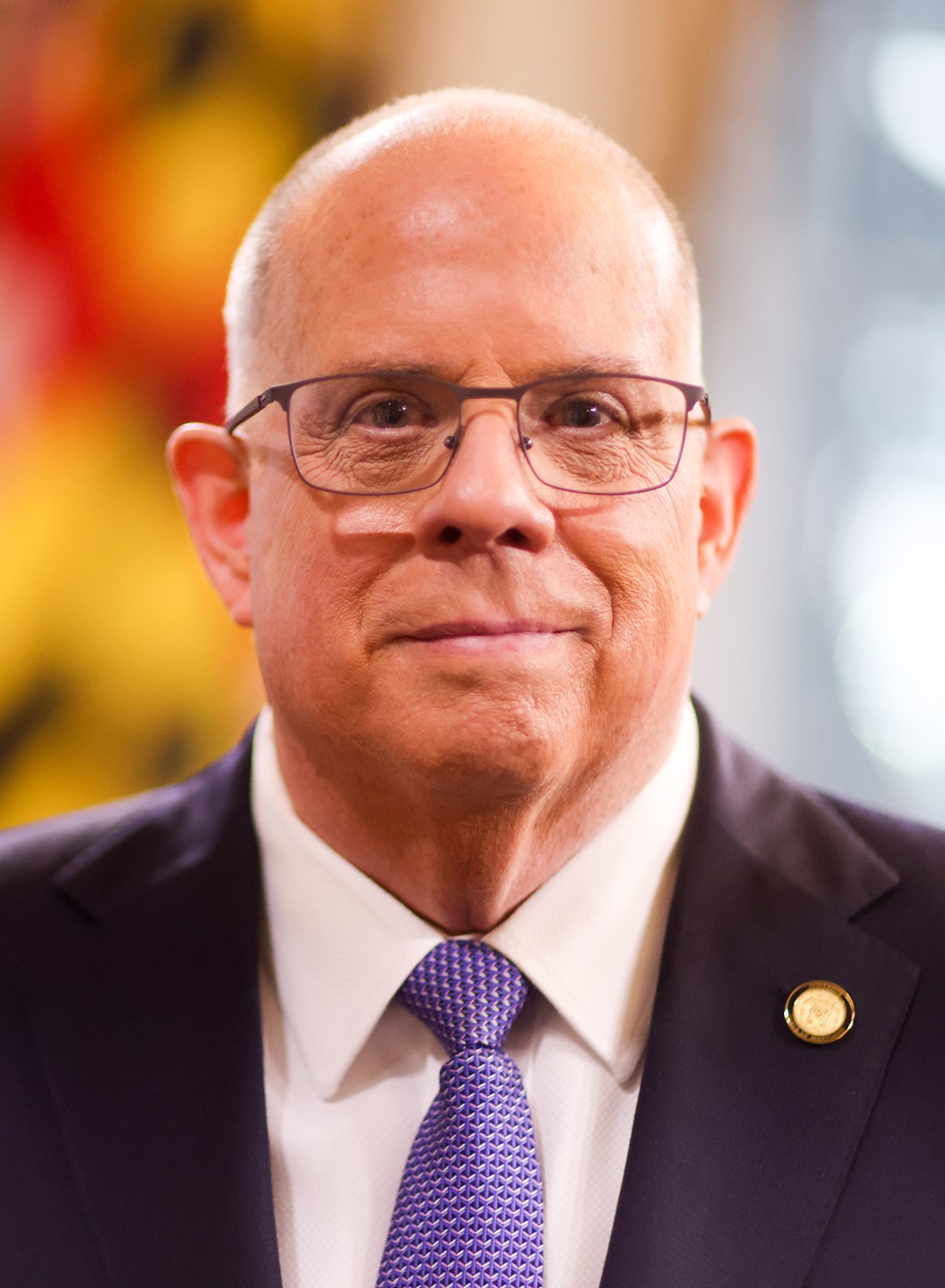


Background and early career
Hogan was born in 1956 and is the son of Lawrence Hogan Sr., a former U.S. congressman. Before becoming governor he worked in the private sector and became active in state politics. He also served in party leadership at the state level and built a public profile that combined business experience with political organization. That background shaped his approach to governing, where he often promoted private-sector partnerships and management reforms.
Governorship (2015–2023)
Hogan won election as governor in 2014 and was inaugurated on January 21, 2015. He campaigned as a fiscal conservative who would pursue pragmatic solutions rather than strict partisan priorities. In 2018 he won re-election, defeating Democrat Benjamin Jealous, and served two full terms. During his administration he focused on issues such as transportation and infrastructure, economic growth, and streamlining state government operations, while often negotiating with a legislature controlled by the opposing party.
Health and public challenges
Shortly after taking office, on June 22, 2015, Hogan announced that he had been diagnosed with an advanced form of lymphoma affecting lymph nodes. He underwent treatment while continuing to perform gubernatorial duties and later reported successful completion of therapy and a return to regular public activities. His publicly shared experience with cancer drew wide attention and sympathy across party lines.
Distinctive features and legacy
- Served two terms as Maryland governor and gained recognition as a moderate Republican in a largely Democratic state.
- Known for a managerial, results-oriented style that emphasized infrastructure, business-friendly policies and bipartisan compromise.
- His family background includes long involvement in public service, and his tenure reshaped perceptions of state-level Republican leadership in the mid-2010s.
Observers note Hogan's role as an example of a state executive who prioritized pragmatic governance over strict ideological alignment. His administration's mix of business-informed initiatives and cross-party negotiation remains a central part of assessments of his time in office.
Related articles
Author
AlegsaOnline.com Larry Hogan (American politician and former governor of Maryland) Leandro Alegsa
URL: https://en.alegsaonline.com/art/124008
Sources
- washingtonpost.com : "Republican Larry Hogan wins Md. governor's race in stunning upset"
- washingtonpost.com : "Md. Gov. Hogan announces he has 'advanced' cancer"
- nytimes.com : "Maryland Primary Election Results"