
Boyton, Suffolk — village and civil parish
Boyton is a small rural village and civil parish in Suffolk, England, noted for its parish church of St Andrew and a recorded population of 154 in 2001. It exemplifies traditional East Anglian countryside.
Overview
Boyton is a small village and civil parish in eastern England, located within the county of Suffolk. It is characteristic of the lowland, agricultural settlements of East Anglia: a dispersed group of houses, farmsteads and lanes focused around a historic parish church. The population was recorded as 154 at the 2001 census, reflecting its status as a very small rural community.
Image gallery
5 Images



Location and governance
Administratively Boyton was part of the Suffolk Coastal district; since local government reorganisation that area now lies within the larger East Suffolk district. For county matters it is in Suffolk, and its district arrangements were formerly associated with Suffolk Coastal. Local decisions are managed at parish level and by district and county authorities for wider services.
History and name
Like many villages across Suffolk, Boyton's origins lie in the rural settlement pattern of medieval England. The element "-ton" in the name is from Old English, originally denoting a farm or settlement. Such place names often indicate long continuity of occupation, though detailed documentary records and archaeological findings determine the precise history of any site.
Character and landmarks
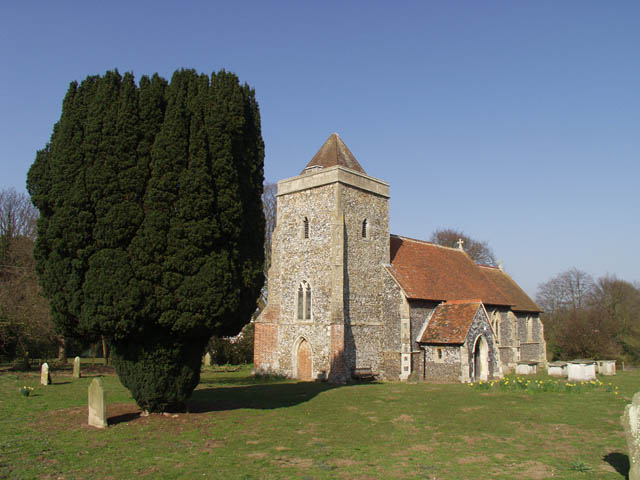
The parish church of St Andrew is the principal landmark and focal point for village life, serving both religious and community functions. Villages of this type typically include a mix of older cottages, farm buildings and occasional later houses; surrounding land is largely given over to arable farming, pasture and hedgerows that support local wildlife.
Community and significance
Boyton exemplifies the small, close-knit rural communities that are typical of Suffolk. Its size means there are limited services within the parish itself, and residents often rely on nearby towns for shops, schools and medical facilities. The village contributes to the conservation of regional landscape character and local heritage, and attracts walkers and visitors looking for quiet countryside and historic parish churches.
Notable facts and distinctions
- Very small population; recorded as 154 in 2001.
- Contains the parish church of St Andrew, a central community landmark.
- Representative of traditional East Anglian village form and rural land use.
Tags
Related articles
Author
AlegsaOnline.com Boyton, Suffolk — village and civil parish Leandro Alegsa
URL: https://en.alegsaonline.com/art/13548
Sources
- neighbourhood.statistics.gov.uk : Neighbourhood Statistics
- suffolkchurches.co.uk : Suffolk Churches