
Beat 'Em Up (video game genre)
Action-oriented games where players fight waves of enemies, usually progressing through levels with melee combat, bosses, and often cooperative play; prominent in arcades and consoles.
Overview
Beat 'em up is a genre of action video games that centers on close-quarters combat against multiple opponents, typically while the player moves through a sequence of stages. Emphasis is placed on hand-to-hand fighting, simple combos, grabs, throws and weapon pickups rather than complex strategy or ranged shooting. Many titles invite cooperative play so two or more players can fight side by side against waves of enemies and larger boss characters.
Image gallery
4 Images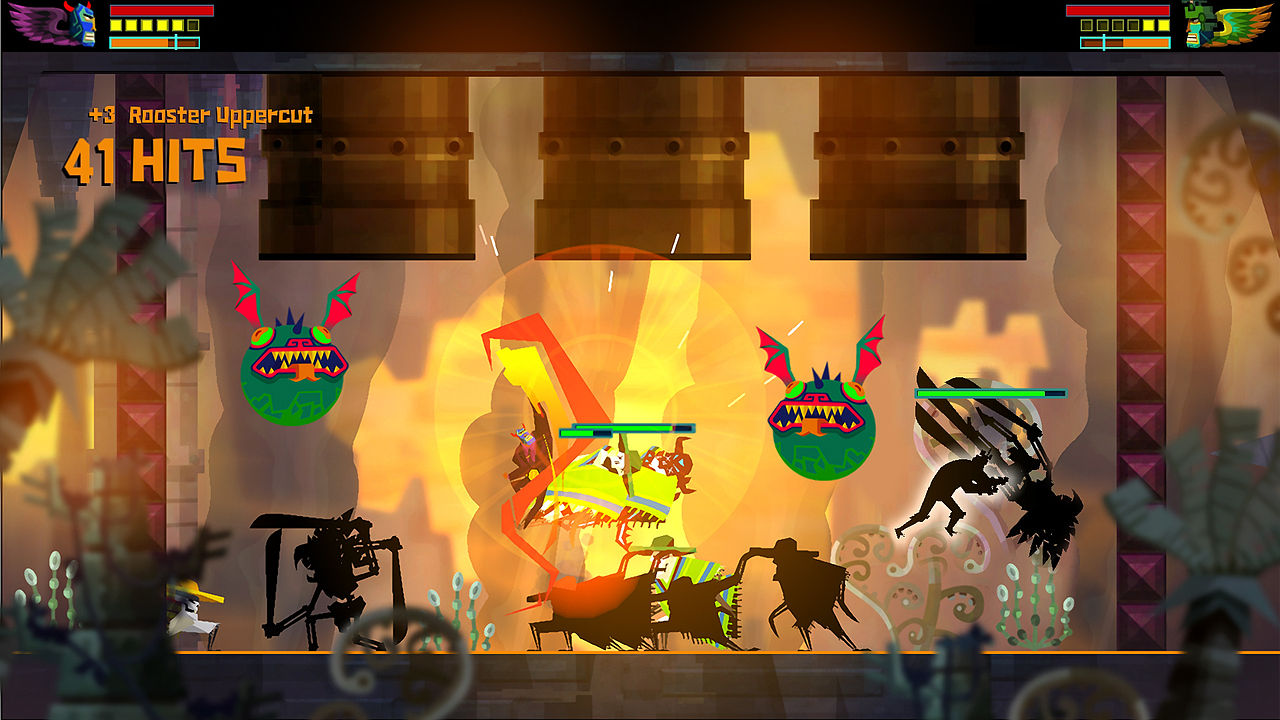


Gameplay and common features
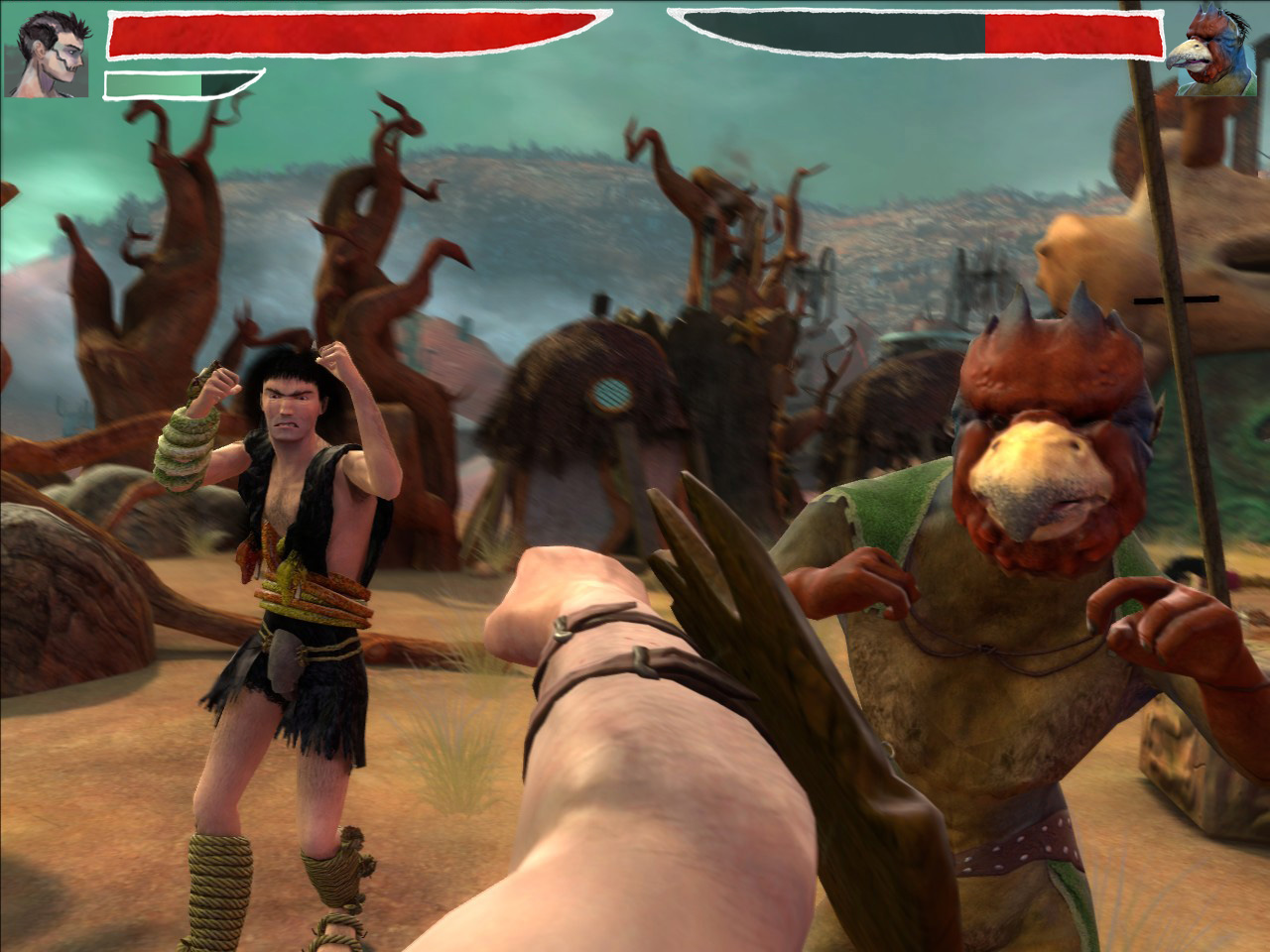
Gameplay usually combines walking through levels with repeated encounters against groups of generic foes and occasional named bosses at the end of stages. Common mechanics include directional attacks, special moves, limited super attacks or meters, environmental weapons, and health pickups. Movement is often constrained to a scrolling plane (side-scrolling or belt-scrolling), though some modern variants use free 3D movement around arenas.
History and evolution
The beat 'em up grew from early arcade roots and became especially popular on arcades and home consoles in the 1980s and 1990s. Developers expanded the formula with richer characters, cooperative features, branching paths, and cinematic boss encounters. Later entries mixed with other styles—platforming, role-playing elements, or modern 3D action systems—helping the genre persist and reinvent itself.
Notable examples and variations
- Classic arcade and console entries that defined conventions.
- Hybrid or narrative-driven modes that incorporate exploration or story segments—for example, some platforming or adventure sections appear inside broader action-focused games such as the Subspace Emissary mode in Super Smash Bros. Brawl.
- Modern reinterpretations that blend hack-and-slash depth or open arenas with cooperative beat 'em up design.
Distinctions and legacy
Beat 'em ups are distinct from one-on-one fighting games (which focus on duels and competitive move sets) and from pure hack-and-slash titles (which often emphasize weapon-based combat and progression). Their straightforward, communal appeal—easy to pick up, satisfying close combat, and clear progression through levels—keeps the genre relevant in retro revivals and indie development. For further reference and genre overviews see additional resources.
Tags
Related articles
Author
AlegsaOnline.com Beat 'Em Up (video game genre) Leandro Alegsa
URL: https://en.alegsaonline.com/art/9841