
1983 Pacific hurricane season
A highly active eastern North Pacific season marked by a record 21 named storms, strong El Niño influence, and notable systems such as Hurricane Tico, Tropical Storm Octave, and the rare December Hurricane Winnie.
Overview
The 1983 Pacific hurricane season was unusually busy in the eastern North Pacific. The official season began on May 15, 1983 for the eastern basin and on June 1, 1983 for the central Pacific, and it conventionally ended on November 30. These dates frame the period when tropical cyclones most commonly form in the northeastern Pacific Ocean.
Image gallery
10 Images
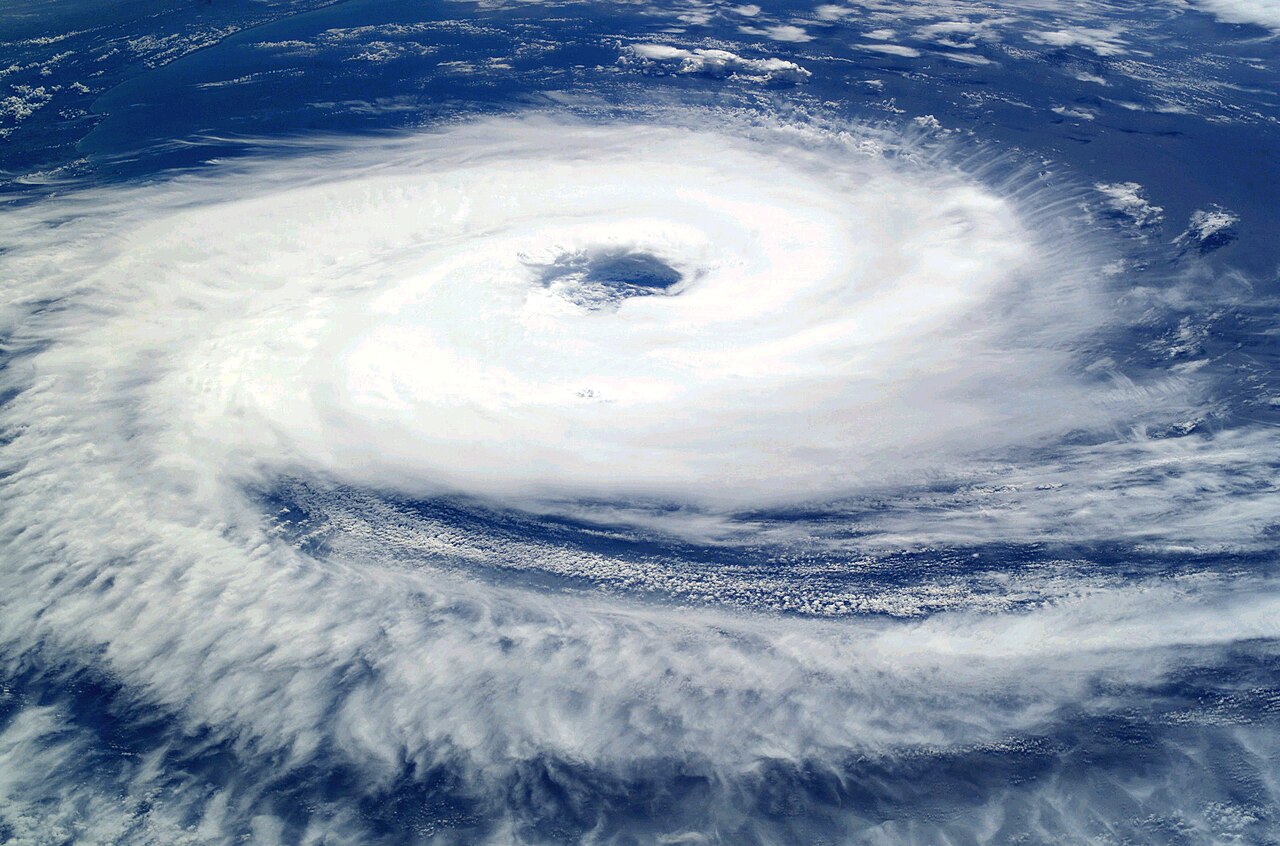


Season characteristics and statistics
The season produced a record-setting total of 21 named storms in the eastern Pacific. Of these, 12 intensified into hurricanes and 8 reached major hurricane strength (Category 3 or higher on the Saffir–Simpson scale). No named storms were recorded in the central Pacific hurricane region, although two tropical depressions formed there. The elevated activity was linked to a strong El Niño event, which modified sea surface temperatures and atmospheric patterns; the same El Niño coincided with a relatively quiet Atlantic hurricane season.
- Total named storms: 21 (eastern Pacific)
- Hurricanes: 12
- Major hurricanes (Cat 3+): 8
- Central Pacific named storms: none (two tropical depressions)
Notable storms and impacts
Although many storms remained over open water, several systems caused significant local damage and loss of life. The most consequential included:
- Hurricane Tico — A powerful hurricane that struck the western coast of Mexico and left thousands homeless around the Mazatlán region. Its heavy rains and storm surge damaged homes and infrastructure.
- Tropical Storm Octave — After moving inland, Octave produced exceptional rainfall in the southwestern United States; in Arizona it caused widespread flooding and was responsible for multiple fatalities, making it one of the state's more serious tropical-storm-related disasters; see further accounts.
- Hurricane Winnie — Notable for its timing: Winnie developed in December, an unusually late month for tropical cyclone formation in the Pacific basin.
Meteorological context and historical significance
The intense activity during 1983 is commonly associated with the strong El Niño episode of that year. Warmer-than-average sea surface temperatures in the eastern tropical Pacific and reduced vertical wind shear favored cyclone development and intensification. El Niño's influence extended beyond the Pacific: it contributed to suppressed hurricane activity in the Atlantic basin during the same year, illustrating how large-scale climate patterns can shift seasonal cyclone statistics across ocean basins (El Niño and Atlantic effects).
Legacy and distinctions
The 1983 season remains notable for the high number of named storms and major hurricanes in the eastern Pacific, and for producing rare events such as a December hurricane and significant inland flooding from decaying tropical cyclones in the United States. It reinforced understanding of how El Niño conditions alter tropical cyclone formation and served as a case study for forecasting and emergency response to Pacific storms that can affect coastal Mexico and the southwestern U.S.
Author
AlegsaOnline.com 1983 Pacific hurricane season Leandro Alegsa
URL: https://en.alegsaonline.com/art/133557