
Arizona hurricanes: occurrences, impacts, and historical overview
Comprehensive overview of tropical cyclones that have affected Arizona: how they form, how often they reach the state, their effects on precipitation and the monsoon, and notable characteristics.
Overview
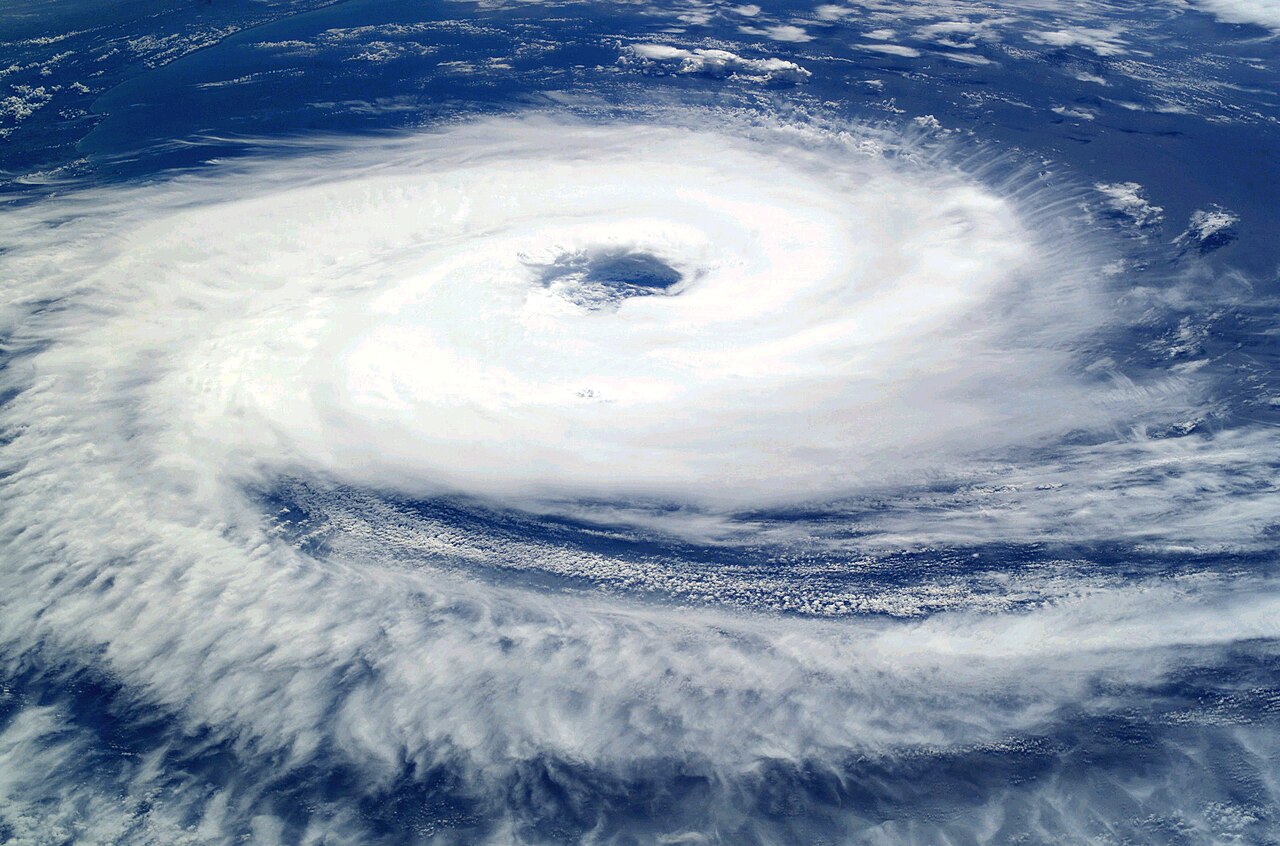
An "Arizona hurricane" is not a storm that forms over the state, but a tropical system originating offshore that brings tropical moisture and sometimes high winds into inland Arizona. In meteorological terms these systems begin as a tropical cyclone in the eastern Pacific Ocean and later affect Arizona within the United States. Most Pacific-origin cyclones make landfall well to the south of the U.S., but the remnants or weakened cores of some can travel far enough north and east to influence Arizona's weather.
Image gallery
5 Images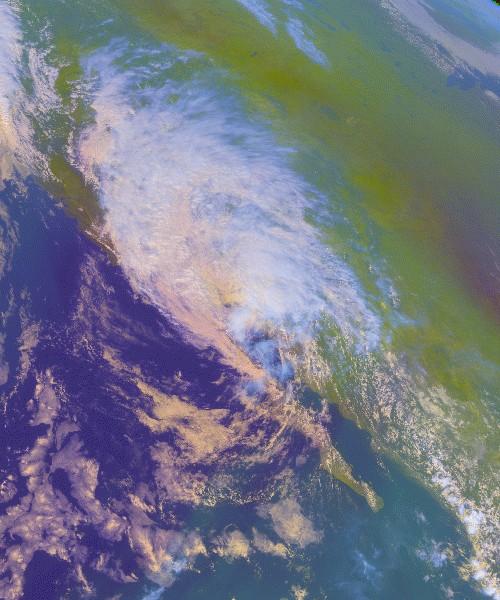


Formation, tracks and geography
Tropical cyclones that influence Arizona typically make their initial landfall along the western coast of Mexico, frequently in the northwestern Mexican states such as Baja California or Sonora. The prevailing steering currents over the eastern North Pacific tend to push storms either westward out to sea or northwestward, often moving parallel to the Mexican coastline; only under particular atmospheric setups will a storm curve inland toward the southwestern U.S.
Seasonality and frequency
Direct impacts on Arizona are uncommon. A relatively small fraction of Pacific hurricanes ever encroach on U.S. territory — estimates often note that roughly 6% of Pacific hurricanes enter U.S. regions — and when they do affect Arizona it is usually late in the season. Observations show these events most often occur in the latter portion of the Pacific hurricane season (September–October), and historically no recorded tropical system has brought tropical conditions to Arizona before August.
Impacts on rainfall and the monsoon
Even when a cyclone weakens before reaching Arizona, it can carry substantial moisture inland. These tropical remnants play a role in supplying deep moisture to the regional monsoon, helping to enhance convective storms and episodic heavy rainfall during summer and early fall. By injecting tropical moisture into existing flow patterns, storm remnants can augment monsoonal precipitation and sometimes trigger localized flash flooding in desert canyons and urban areas.
Historical notes and notable cases
Most systems that influence Arizona do so as weakened tropical depressions or post-tropical remnants, but a handful of storms have retained tropical storm strength as they crossed into the state. These events are exceptions rather than the rule and have provided valuable case studies for how tropical moisture interacts with the region's complex terrain. One well-documented example often cited in meteorological summaries involved a late-season Pacific storm that maintained notable strength well inland; such cases highlight the variability of storm behavior when upper-level steering winds and land interaction align.
Why Arizona is rarely struck and why it matters
Arizona's distance from the open ocean, the typical westward motion of Pacific storms, and the cooling effect of land collectively make true hurricanes over Arizona extraordinarily rare. When tropical systems do influence the state, their main consequences are heavy rain, localized flooding, and a boost to seasonal water totals rather than sustained hurricane-force winds. Understanding these events is important for regional water management, flash-flood forecasting, and illustrating how tropical cyclones can have meaningful effects far from their ocean origins.
Further reading and resources
- Definition: tropical cyclone
- Eastern Pacific basin information
- Arizona climate overview
- U.S. hurricane impacts
- Landfall processes
- Mexico and tropical cyclone landfalls
- Baja California regional notes
- Sonora regional notes
- Typical storm tracks
- Statistics on Pacific hurricanes entering U.S.
- Moisture transport mechanisms
- North American monsoon
- Pacific hurricane season timing
- Seasonal threshold (August)
Questions and answers
Q: What is an Arizona hurricane?
A: An Arizona hurricane is a tropical cyclone that forms in the eastern Pacific Ocean and affects the state of Arizona in the United States.
Q: Where do most Arizona hurricanes make landfall?
A: Most Arizona hurricanes make landfall in the Mexican states of Baja California or Sonora.
Q: Have any Arizona hurricanes retained their tropical storm strength when crossing into Arizona?
A: Yes, a few Arizona hurricanes have crossed into the state while they still had tropical storm strength.
Q: Why is it difficult for a hurricane to form in Arizona?
A: It is difficult for a hurricane to form in Arizona because the normal storms that form in the eastern Pacific Ocean move either parallel or away from the Pacific coast of Northwestern Mexico, and most storms that could affect Arizona are carried away from the United States.
Q: How often does Arizona experience the effects of tropical cyclones?
A: In average, Arizona experiences the effects of tropical cyclones once every five years.
Q: Are all of the tropical storms that affect Arizona also affecting California?
A: Many, but not all, of the tropical storms that affect Arizona also affect California.
Q: When do the storms that impact Arizona generally form?
A: All of the storms that have impacted Arizona have formed in the latter parts of the Pacific hurricane season, and no storm has affected the state before August.
Related articles
Author
AlegsaOnline.com Arizona hurricanes: occurrences, impacts, and historical overview Leandro Alegsa
URL: https://en.alegsaonline.com/art/124478
Sources
- atmos.albany.edu : "The Contribution of Eastern North Pacific Tropical Cyclones to the Warm Season Rainfall Climatology of the Southwestern United States"
- pubs.usgs.gov : "Hydrologic Conditions in Arizona During 1999 – 2004: A Historical Perspective"
- wrh.noaa.gov : "Top Arizona Hurricane/Tropical Storm Events"
- usatoday.com : "Background: California's tropical storms"
- docs.lib.noaa.gov : "Tropical Cyclones of the Eastern North Pacific Ocean"
- rfcd.pima.gov : "Santa Cruz River, Paseo de las Iglesias (Pima County, Arizona) Final Feasibility Report and Environmental Impact Statement"
- hurricane.csc.noaa.gov : "Historical Hurricane Tracks"
- nhc.noaa.gov : "East Pacific hurricane best track ("HURDAT"), 1949–2007"
- hpc.ncep.noaa.gov : "Tropical Cyclone Rainfall for the West"
- hpc.ncep.noaa.gov : "Hurricane Boris - June 7-11, 1990"
- nhc.noaa.gov : "Preliminary Report: Hurricane Lester, 20–24 August 1992"
- hpc.ncep.noaa.gov : "Hurricane Isis - September 1-5, 1998"
- hpc.ncep.noaa.gov : "Hurricane Javier - September 18-21, 2004"