
1980 Democratic National Convention
The Democratic Party's 1980 convention in New York City renominated Jimmy Carter and Walter Mondale amid a major intraparty challenge led by Ted Kennedy and debates over policy and delegate rules.
Overview
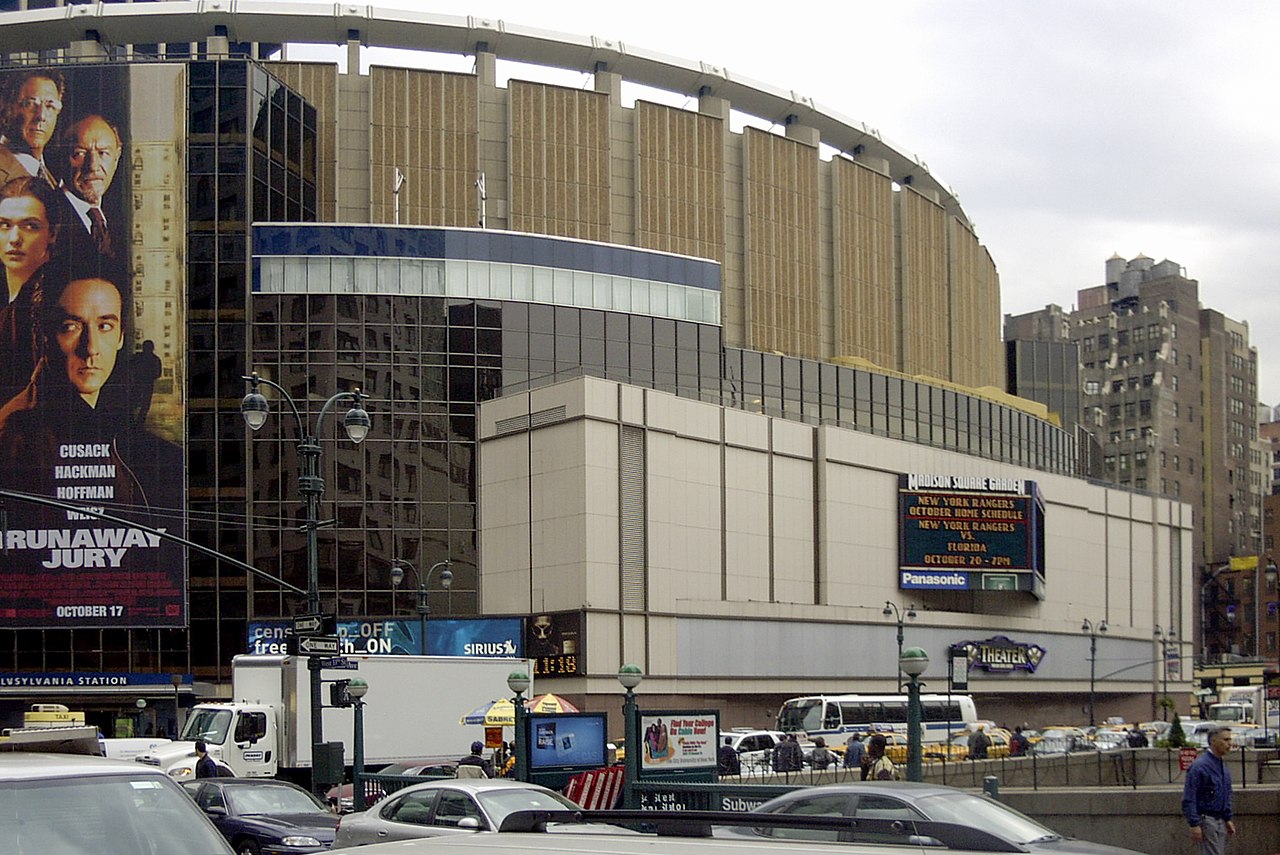
The 1980 United States Democratic National Convention was held at Madison Square Garden in New York City from August 11 to August 14, 1980. The gathering formally renominated President Jimmy Carter and Vice President Walter Mondale as the party's ticket for the November presidential election. Delegates and party leaders met to adopt a platform, resolve procedural questions, and present a unified message to the electorate even as divisions from the primary season remained visible.
Image gallery
7 Images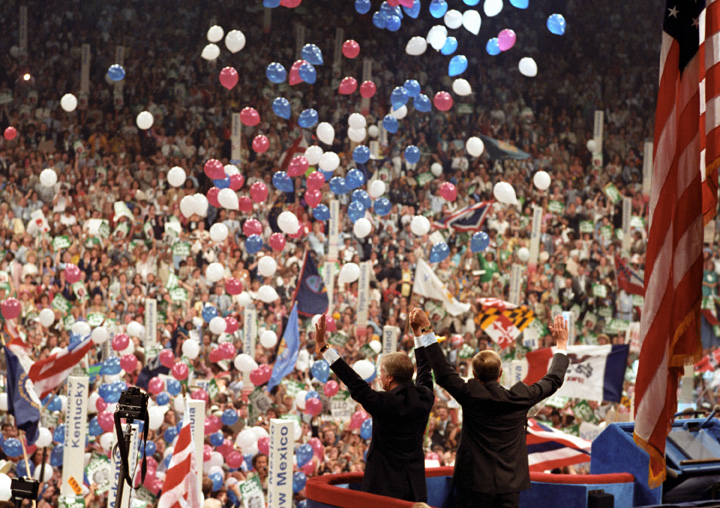



Context and significance
The convention took place against a difficult national backdrop: an economy struggling with inflation and unemployment, the ongoing Iran hostage crisis, and shifting public opinion about American foreign policy. These issues shaped both the party platform and the tone of speeches delivered during the four-day event. The gathering also had procedural importance because of an unusually heated contest over delegate commitments that reflected broader ideological rifts within the Democratic Party.
The Kennedy challenge and delegate dispute
A central drama of the convention was the attempt by Senator Edward M. "Ted" Kennedy and his supporters to change how delegates were bound. Kennedy, who had mounted a vigorous primary challenge to President Carter earlier that year, sought to have delegates released from their pledged commitments so that the convention might be more open to altering the ticket. That effort—often described in contemporary accounts as Kennedy's attempt to free delegates—was one of the last prominent efforts in the 20th century by a major-party challenger to change delegate instructions after the primary season concluded.
Platform, key speeches and party business
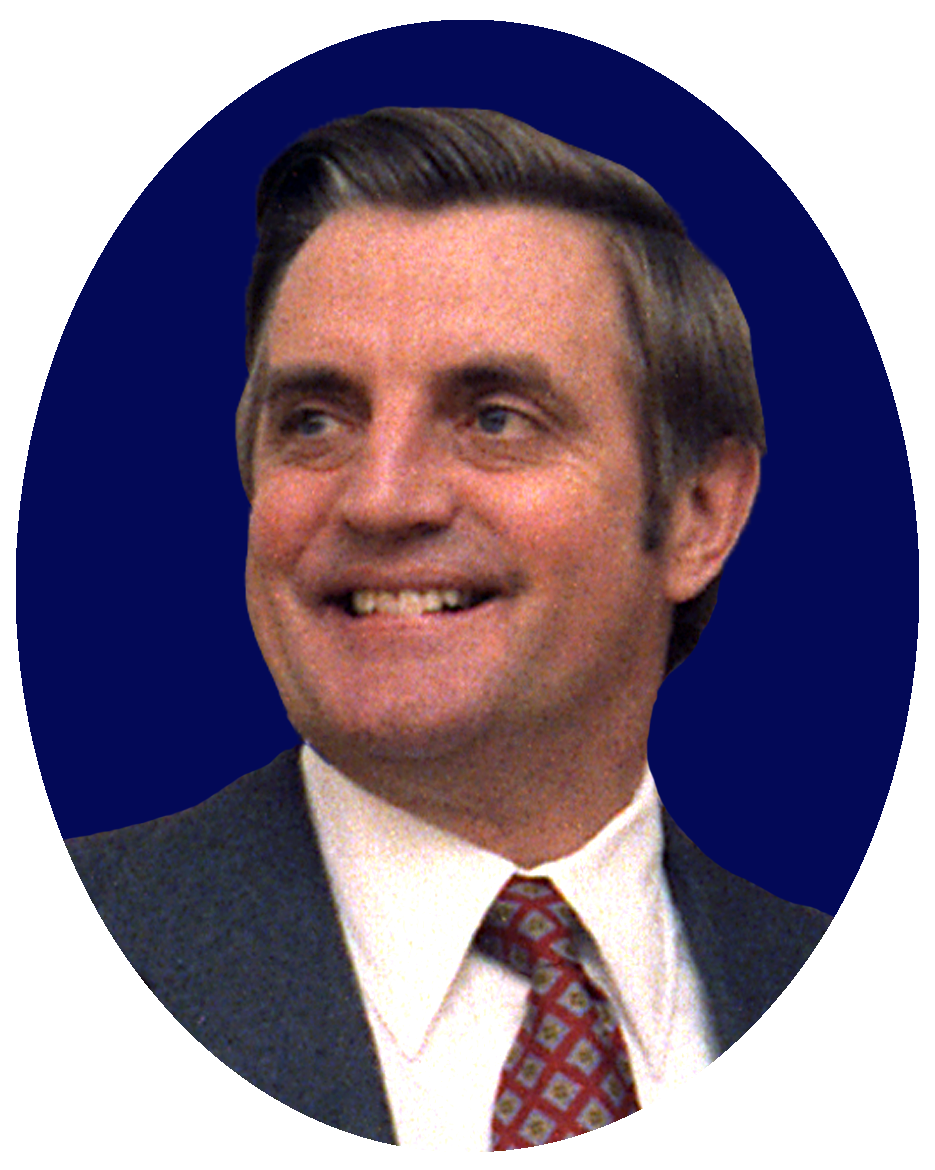
Delegates debated and approved a party platform that addressed economic policy, energy, social programs, and foreign policy responses to international crises. President Carter used his acceptance speech on August 14 to defend his administration's record, outline priorities for a second term, and appeal for party unity. Vice President Mondale was renominated without serious opposition and played a supporting role in party messaging. Observers noted a contrast between calls for renewed consensus and visible signs of intra-party disagreement on strategy and policy.
Notable moments and aftermath
- Final nominations: President Jimmy Carter and Vice President Walter Mondale secured the formal endorsements of the convention; both accepted their respective nominations.
- Rules and delegates: The debate over freeing delegates highlighted tensions between primary voters' choices and party conventions' traditional authority.
- Public response: Televised coverage brought the arguments and speeches into millions of homes, influencing public perceptions in the run-up to the general election.
Legacy
The 1980 Democratic National Convention is remembered both for reaffirming an incumbent ticket and for dramatizing a rare and significant challenge from within the party. Its debates over delegate rules and the prominence of intraparty dissent have been studied by students of American political practice as a moment when modern primary-era dynamics clashed with older convention procedures. For contemporary readers seeking primary sources and detailed roll-call records, consult party archives and contemporary news coverage for full documentation of the votes and speeches delivered that week.
For additional information about the Democratic Party's activities in 1980 and the primary contests that preceded the convention, see coverage of the convention and profiles of principal participants at Democratic Party resources and archival collections linked through presidential records, campaign summaries, and biographical entries for key figures such as Ted Kennedy and Walter Mondale. Further context on the event's location and its role in American civic life is available from materials about Madison Square Garden and the convention history of New York City.
Readers may consult additional reference points via archived reports and institutional records, including policy platforms and documented roll-call votes, to understand how the convention's decisions shaped the Democratic campaign that autumn and influenced party procedures in subsequent decades. Supplementary summaries and analyses can be found through scholarly reviews and electoral histories that examine the 1980 convention's place in late 20th-century American politics (vice-presidential role studies, delegate reform retrospectives).
Author
AlegsaOnline.com 1980 Democratic National Convention Leandro Alegsa
URL: https://en.alegsaonline.com/art/133551