
1931 Belize Hurricane
A powerful September 1931 tropical cyclone that struck British Honduras (now Belize) and parts of Mexico, killing more than 2,500 and producing catastrophic damage in Belize City and surrounding areas.
Overview
The 1931 Belize hurricane was a destructive tropical cyclone that moved through the western Caribbean in September 1931. It struck British Honduras (today's Belize) on September 10 and produced extreme winds and flooding that killed more than 2,500 people across Central America. The storm made a direct hit on Belize City with sustained winds estimated near 135 miles per hour and caused widespread structural and coastal damage.
Image gallery
5 Images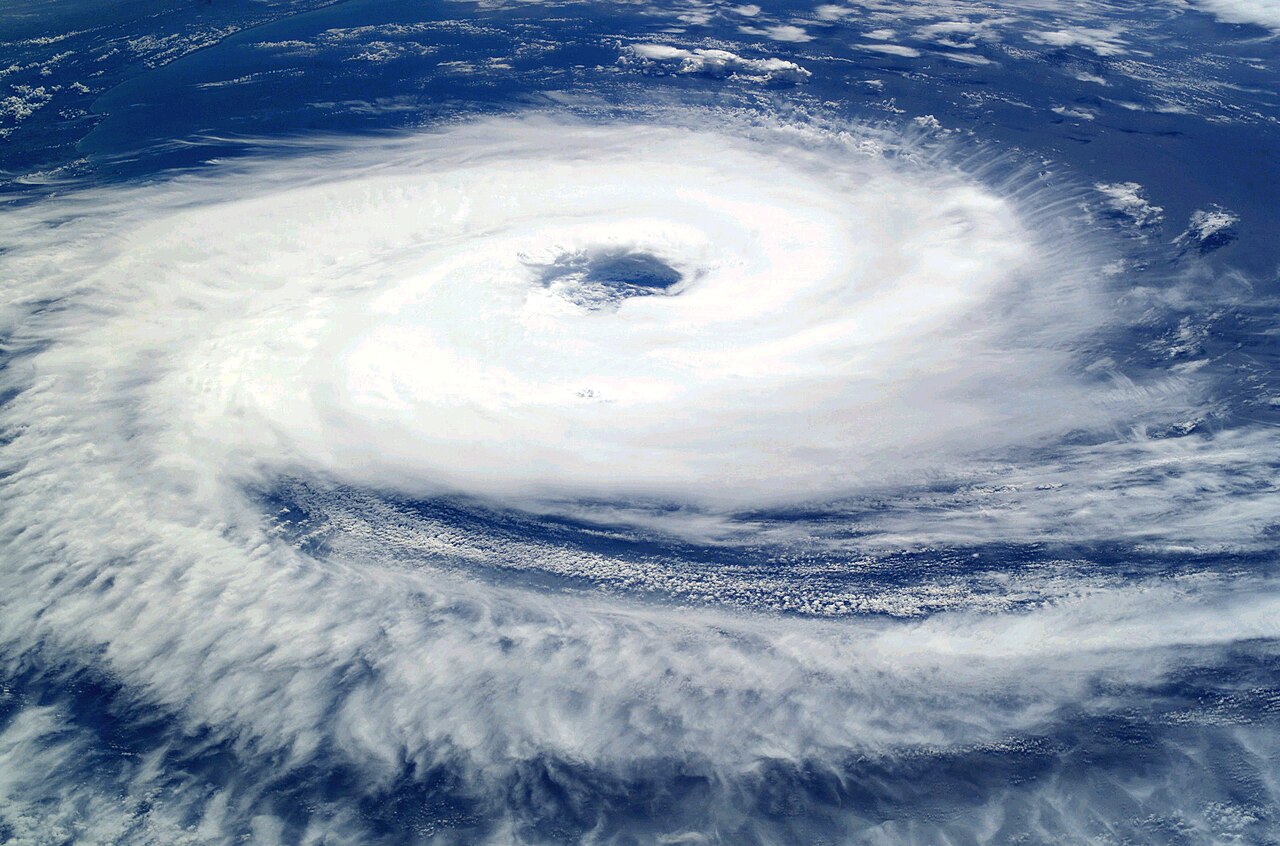



Storm track and characteristics
Contemporary reports describe the system as a very intense hurricane at landfall, with peak winds equivalent to a modern Category 4 on the Saffir–Simpson scale. After passing over British Honduras it proceeded westward over the Yucatán Peninsula of eastern Mexico, weakened while crossing land, and moved into the Bay of Campeche. The cyclone later made its final landfall near the northern Mexico–south central Texas area before dissipating. The storm generated destructive storm surge, intense winds, and heavy rainfall along its path.
Impact on communities
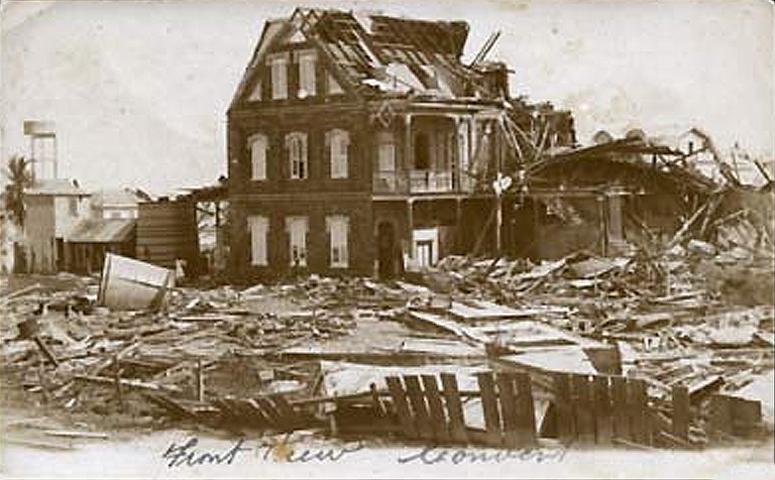
The hurricane inflicted severe damage to Belize City, which at the time was the principal population and commercial center of British Honduras. Buildings, docks, and low-lying neighborhoods suffered extensive flooding and collapse. Communications and transportation were disrupted, complicating relief and recovery efforts. Across the region the human toll was high: contemporary accounts and later summaries attribute more than 2,500 fatalities in Central America, including deaths in coastal towns and rural areas affected by floodwaters and destroyed shelters.
Aftermath and response
Relief operations were challenged by limited infrastructure and the colonial administration's constrained resources. Rebuilding required repairing ports, homes, and public services while dealing with sanitation and health risks after flooding. The disaster highlighted vulnerabilities of low-elevation coastal settlements and influenced later planning and construction practices in the region.
Historical significance and notable facts
The 1931 Belize hurricane ranks among the most lethal storms to affect Belize and neighboring countries in the early 20th century. It is often cited in historical storm catalogues as an example of the high human cost when powerful hurricanes strike poorly prepared coastal communities. Because meteorological observations were sparser in 1931 than today, exact measurements of pressure and wind are limited; reconstructions rely on ship reports, contemporary newspaper accounts, and colonial records.
Further reading
Author
AlegsaOnline.com 1931 Belize Hurricane Leandro Alegsa
URL: https://en.alegsaonline.com/art/133511