
1919 Florida Keys hurricane
A powerful September 1919 hurricane that devastated the Florida Keys and southern Texas, causing hundreds of deaths and major destruction in Corpus Christi and other coastal communities.
Overview
The 1919 Florida Keys hurricane was a major tropical cyclone that struck parts of the Caribbean, the Florida Keys, and the Gulf Coast of the United States in September 1919. Recognized for its strength and the severe human toll, the storm killed more than 770 people overall and produced widespread destruction along its path. Contemporary accounts emphasize both intense winds and a damaging storm surge that contributed to property loss and fatalities.
Image gallery
10 Images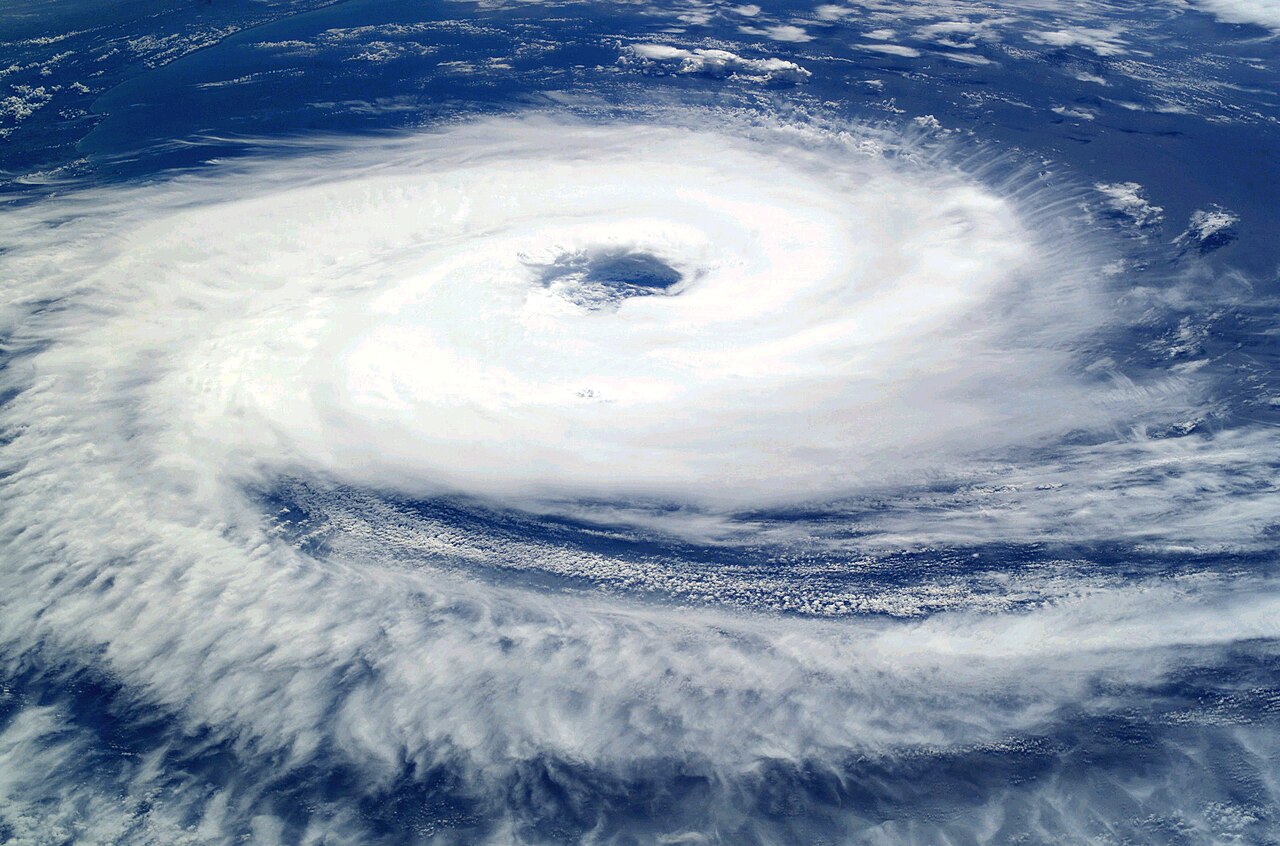


Meteorological characteristics
The cyclone intensified to very strong hurricane force as it moved through the Florida Keys, where wind conditions were reported at levels comparable to a Category 4 hurricane on the Saffir–Simpson scale. As it tracked west-northwest across the Gulf of Mexico, winds weakened somewhat but remained powerful near the Texas coast; areas between Brownsville and Corpus Christi experienced winds consistent with Category 3 strength. The system moved rapidly enough to impact a broad stretch of coastline, increasing the difficulty of evacuations in 1919.
Impact and damage
Damage estimates from the period placed the economic toll at about $22 million (contemporary dollars), and the human cost was severe. In Texas, official reports recorded 286 deaths, though later assessments and local testimony suggest the true death toll in the state may have been substantially higher, perhaps approaching 600. The storm produced extensive structural damage, destroyed boats and piers, and disrupted commerce and transportation in coastal towns.
Affected places
- Florida Keys — site of some of the most intense winds and immediate destruction.
- Corpus Christi — experienced major damage; the hurricane was among the first to cause widespread harm to the city.
- Brownsville and neighboring communities — saw strong hurricane-force winds along the lower Texas coast.
- Maritime areas and small Gulf communities — many vessels were damaged or lost.
Aftermath and historical significance
The 1919 hurricane highlighted vulnerabilities of Gulf Coast settlements to powerful tropical cyclones and prompted changes in local preparedness and building practices in some areas. Historical studies of the storm use contemporary newspaper reports, government summaries, and survivor accounts to understand both its meteorology and social effects. For further technical and historical context, see specialized storm reports and regional hurricane summaries such as the official storm report and regional histories of southern Texas.
Notable facts
Contemporary observers noted the storm as one of the deadliest U.S. hurricanes of the early 20th century. Its combination of high winds, storm surge, and impacts on shipping made it a reference point in later coastal planning and historical reviews of Gulf hurricanes. For additional reading, consult archival material and regional summaries linked above (storm report, Florida Keys accounts).
Author
AlegsaOnline.com 1919 Florida Keys hurricane Leandro Alegsa
URL: https://en.alegsaonline.com/art/133509