
(There's) Always Something There to Remind Me
A popular pop song by Burt Bacharach and Hal David, recorded by Dionne Warwick and later covered by Lou Johnson, Sandie Shaw and Naked Eyes; notable for its theme of post-breakup memory.
Overview
"(There's) Always Something There to Remind Me" is a popular song written by Burt Bacharach and Hal David in the 1960s. The lyrics describe the difficulty of escaping memories of a former lover: ordinary sights, sounds and places trigger a repeated emotional recall. The tune combines a memorable melodic hook with a poignant, everyday narrative that made it appealing to both pop and adult contemporary audiences. The song is widely regarded as a classic example of mid-20th-century pop songwriting and arrangement popular music.
Image gallery
3 Images

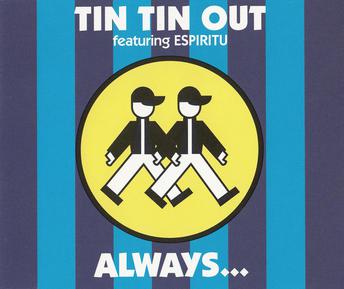
Theme and musical character
At its core the song explores aftermath of a breakup. The narrator tries to move on but is hampered by constant reminders—objects, locations and routine activities—that bring the past back into focus. Musically it typically features a strong, lyrical melody and a steady rhythmic underpinning; early versions emphasized orchestral accompaniment and vocal phrasing, while later renditions adapted the tune to contemporary production styles.
Early recordings and 1960s reception
The song was first recorded in the 1960s by Dionne Warwick, whose interpretation reflects the polished pop-soul approach of her collaborations with the composers. A contemporary single by Lou Johnson brought the tune into the singles charts in the summer of 1964: his version reached the lower regions of the US pop chart, peaking at #49. Around the same period the song was also recorded in the UK and became especially popular there through versions by British artists; one of the earliest UK hits was recorded by Sandie Shaw, who made the song a major success with British listeners.
1980s revival and Naked Eyes
The song experienced a high-profile revival in the early 1980s when the British synth-pop duo Naked Eyes released a radically reworked arrangement built on synthesizers and electronic drums. Their cover transformed the orchestral original into a sleek, new-wave single and achieved significant chart success in the United States: the Naked Eyes recording climbed into the Top 20 and peaked at #8 on the Billboard Hot 100 in June 1983, becoming one of the era's best-known synth-pop covers. That version also demonstrated how arrangements can redefine a song's atmosphere while retaining its lyrical core and hook Top 20 single.
Notable versions and legacy
- Dionne Warwick — original studio recording, smooth vocal delivery.
- Lou Johnson — first to chart in the US (summer) and peaked at #49 on pop charts; his single helped introduce the song to a wider radio audience summer.
- Sandie Shaw — made the song a major hit in the UK and brought a distinct British pop sensibility to the arrangement.
- Naked Eyes — 1983 synth-pop reimagining that became the best-known American hit version and renewed interest in the song for a new generation.
Over the decades the song has remained a standard in many performers' repertoires and has appeared on compilations, radio playlists and in film and television soundtracks. Its enduring appeal lies in the universality of its subject—how memory intrudes after love is lost—and the flexibility of the melody, which allows reinterpretation across genres from orchestral pop to electronic pop. Listeners and cover artists continue to revisit the song because its combination of lyrical intimacy and melodic clarity makes it easy to personalize while preserving the original writers' emotional intent singer.
Distinctions and notable facts
- Composed by the well-known songwriting team of Bacharach and David, the piece exemplifies their gift for marrying sophisticated chord changes with plainspoken emotional themes.
- Multiple recorded versions found chart success in different markets and eras, demonstrating the song's adaptability.
- The 1983 Naked Eyes version is often cited as an example of how new production techniques can revive and reframe classic material for contemporary audiences.
Author
AlegsaOnline.com (There's) Always Something There to Remind Me Leandro Alegsa
URL: https://en.alegsaonline.com/art/133381