
Zbigniew Brzezinski — Polish‑American political scientist and national security advisor
Polish‑American political scientist, geostrategist and statesman who served as National Security Advisor to President Jimmy Carter (1977–1981) and influenced Cold War and post‑Cold War policy debates.
Zbigniew Kazimierz Brzezinski (28 March 1928 – 26 May 2017) was a Polish‑American political scientist, geostrategist and government official best known for serving as United States National Security Advisor to President Jimmy Carter from 1977 to 1981. Born in Warsaw, he emigrated to North America and pursued higher education and an academic career that informed his later policy work. His Polish name and pronunciation are documented in Polish sources (Polish name).
Image gallery
10 Images
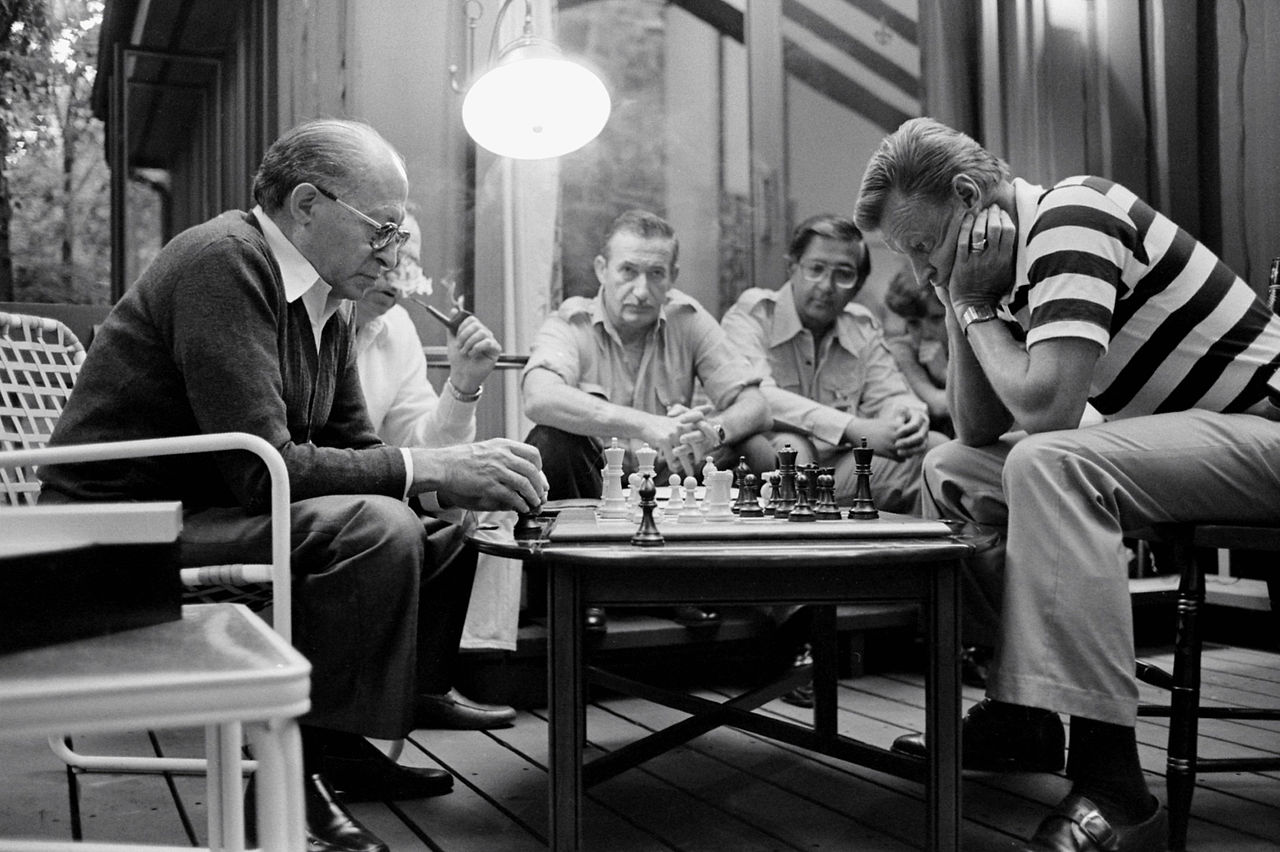
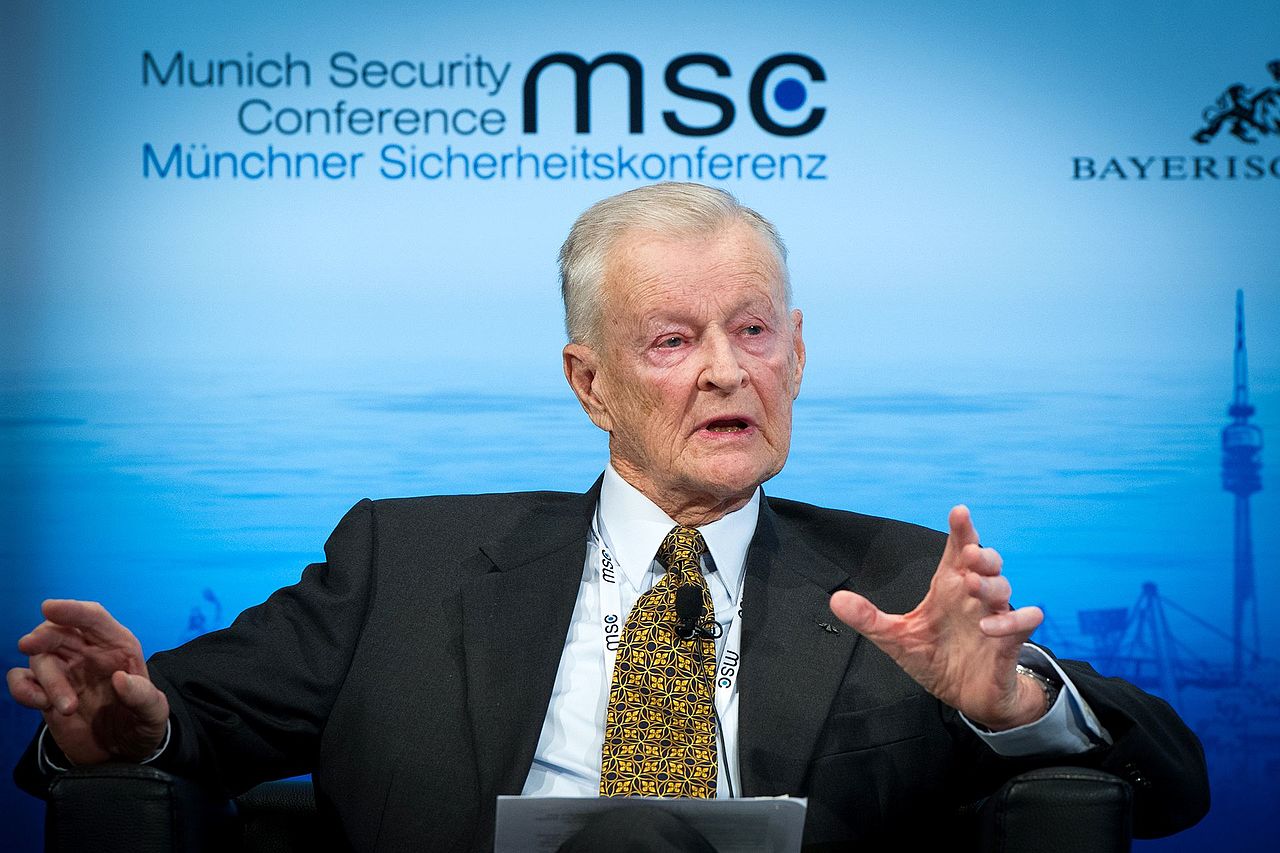


Overview and early life
Brzezinski combined scholarly research with active participation in public affairs. Educated in North America, he taught international relations and foreign policy at major universities and wrote extensively on strategy, superpower competition and the role of the United States in the world. His background as an analyst of Soviet power and European affairs shaped his approach to national security.
Career and policy influence
As National Security Advisor he helped shape U.S. responses to key Cold War challenges: arms control and détente initiatives, the decision to emphasize human rights in foreign policy rhetoric, and a hardening of U.S. posture after the Soviet invasion of Afghanistan in 1979. Brzezinski advocated support for resistance movements in Afghanistan as a way to contest Soviet expansion. He also urged closer strategic ties with China as part of a broader balance‑of‑power approach.
Writings and intellectual contributions
- Authored influential books and essays on geopolitics and American strategy, notably works that examined U.S. global primacy and the management of Eurasian power.
- Combined historical perspective with policy prescriptions, addressing the challenges of great‑power rivalry and the transition to a post‑Cold War order.
Legacy and controversies
Brzezinski remained a prominent voice in public debate after leaving government, publishing and advising on international affairs for decades. His supporters credit him with sharpening U.S. strategy during a turbulent era; critics argue some policies, especially covert support in Afghanistan, had unintended long‑term consequences. He died on 26 May 2017 in Falls Church, Virginia from congestive heart failure.
For further reading on Brzezinski’s ideas and career consult policy studies, collections of his essays and biographies that document his role in late 20th‑century diplomacy and strategic thought. His career illustrates the interactions between academic analysis and practical statecraft in shaping modern foreign policy (Carter administration).
Author
AlegsaOnline.com Zbigniew Brzezinski — Polish‑American political scientist and national security advisor Leandro Alegsa
URL: https://en.alegsaonline.com/art/133293