
Falls Church, Virginia: overview, history, and civic profile
A concise encyclopedia entry on Falls Church, Virginia — its location in Northern Virginia, historic origins, government as an independent city, local economy, landmarks, and civic life.
Falls Church is a small independent city in Northern Virginia located within the Washington, D.C. metropolitan area. Although compact in area, it functions as a dense, walkable community with residential neighborhoods, local businesses, and civic institutions. Its proximity to the capital and to major transportation corridors has shaped its development as a suburban center with an urban character.
Image gallery
10 Images


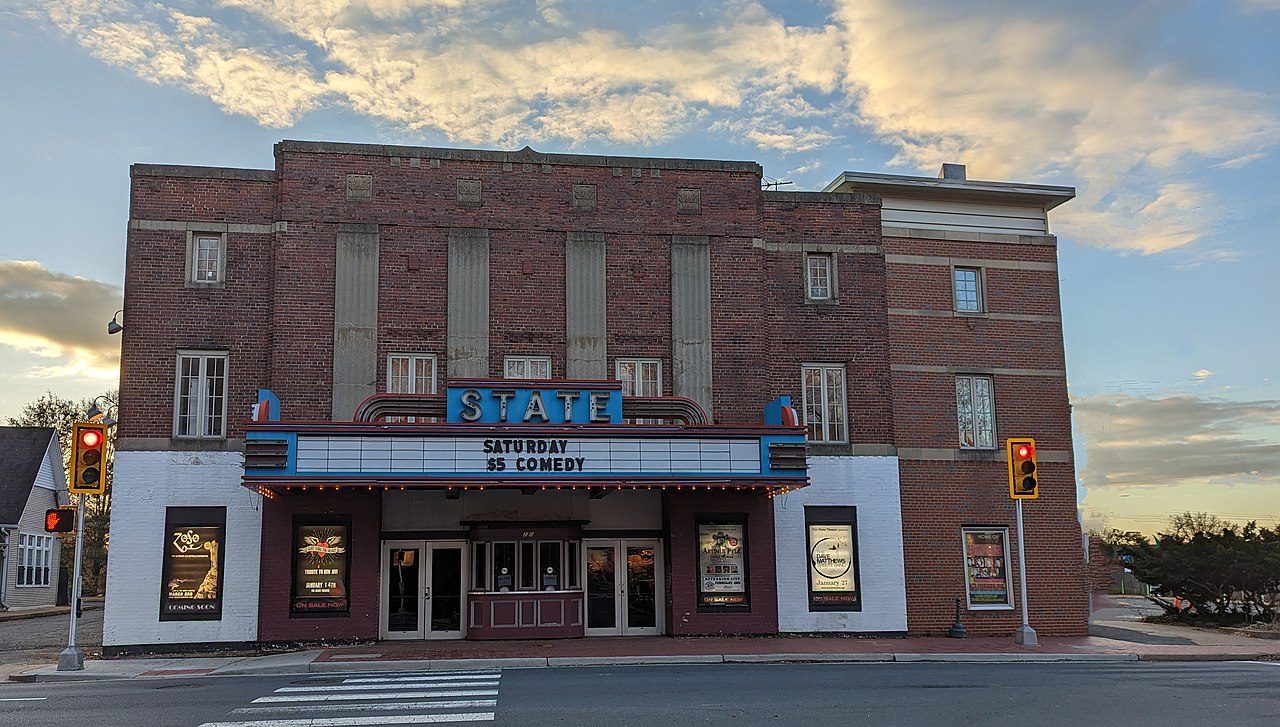


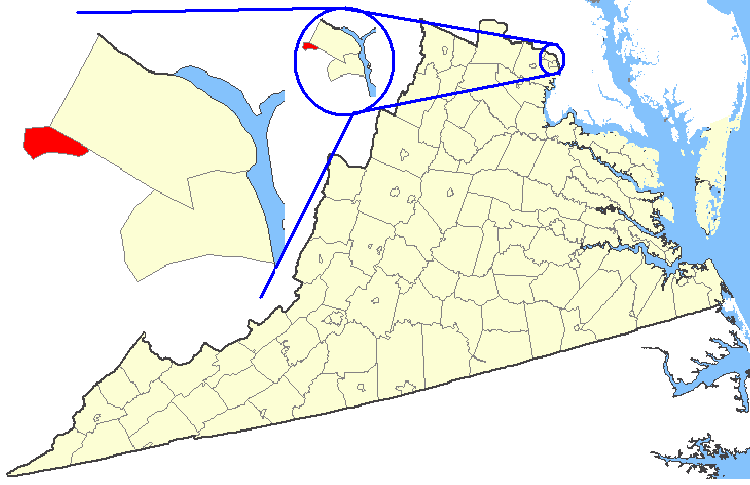

Historical background
The locality grew up around a colonial-era Anglican parish whose meetinghouse was popularly called the Falls Church; that landmark gave the community its name. Over time the area evolved from rural agricultural land into a suburban commuter community as roads, rail lines, and later highway links connected it to the expanding federal government and metropolitan economy. Historic buildings and street patterns reflect layers of colonial, 19th-century, and 20th-century growth.
Government and civic organization
Falls Church is governed under Virginia’s system of independent cities, meaning it is politically separate from surrounding counties for many administrative purposes. Municipal government typically provides local services such as public safety, schools, public works, and zoning. The city’s compact size encourages local civic involvement and community-focused planning.
Economy, transportation, and land use
The local economy combines small retail corridors, restaurants, professional services, and offices that serve both local residents and commuters. Many residents work in the broader Washington region, including federal agencies, contractors, and private-sector employers. Transit access includes regional rail and bus services as well as major roadways that connect to nearby jurisdictions. Land use mixes older single-family neighborhoods with denser commercial and multiunit areas along main streets.
Culture, parks, and landmarks
Community life centers on parks, recreational programs, cultural events, and locally owned shops and eateries. The historic church that inspired the city’s name remains a notable landmark, and municipal green spaces provide sites for festivals, farmers markets, and neighborhood gatherings. Local schools and community organizations are active in civic life.
Notable features
- One of Virginia’s independent cities, distinct from surrounding county government.
- Close integration with the Washington, D.C. metropolitan area for employment and services.
- A compact, walkable urban fabric with an emphasis on local businesses and community events.
For official information, planning documents, or visitor guidance consult municipal resources such as the city website and regional transit pages: city resources, regional information, and visitor and transportation links.
Related articles
Author
AlegsaOnline.com Falls Church, Virginia: overview, history, and civic profile Leandro Alegsa
URL: https://en.alegsaonline.com/art/33391