
Yvonne Craig: American ballet-trained actress best known as Batgirl
Yvonne Craig (1937–2015) was an American ballet dancer and actress who became a 1960s pop-culture icon as Batgirl on the TV series Batman and as Marta on Star Trek: The Original Series.
Yvonne Craig was an American performer whose career bridged classical dance and popular television. Trained in ballet as a young woman, she moved into screen work during the 1950s and 1960s and became widely recognized for combining physical grace with television acting. Her training as a ballet dancer informed the athleticism she brought to many roles.
Image gallery
7 Images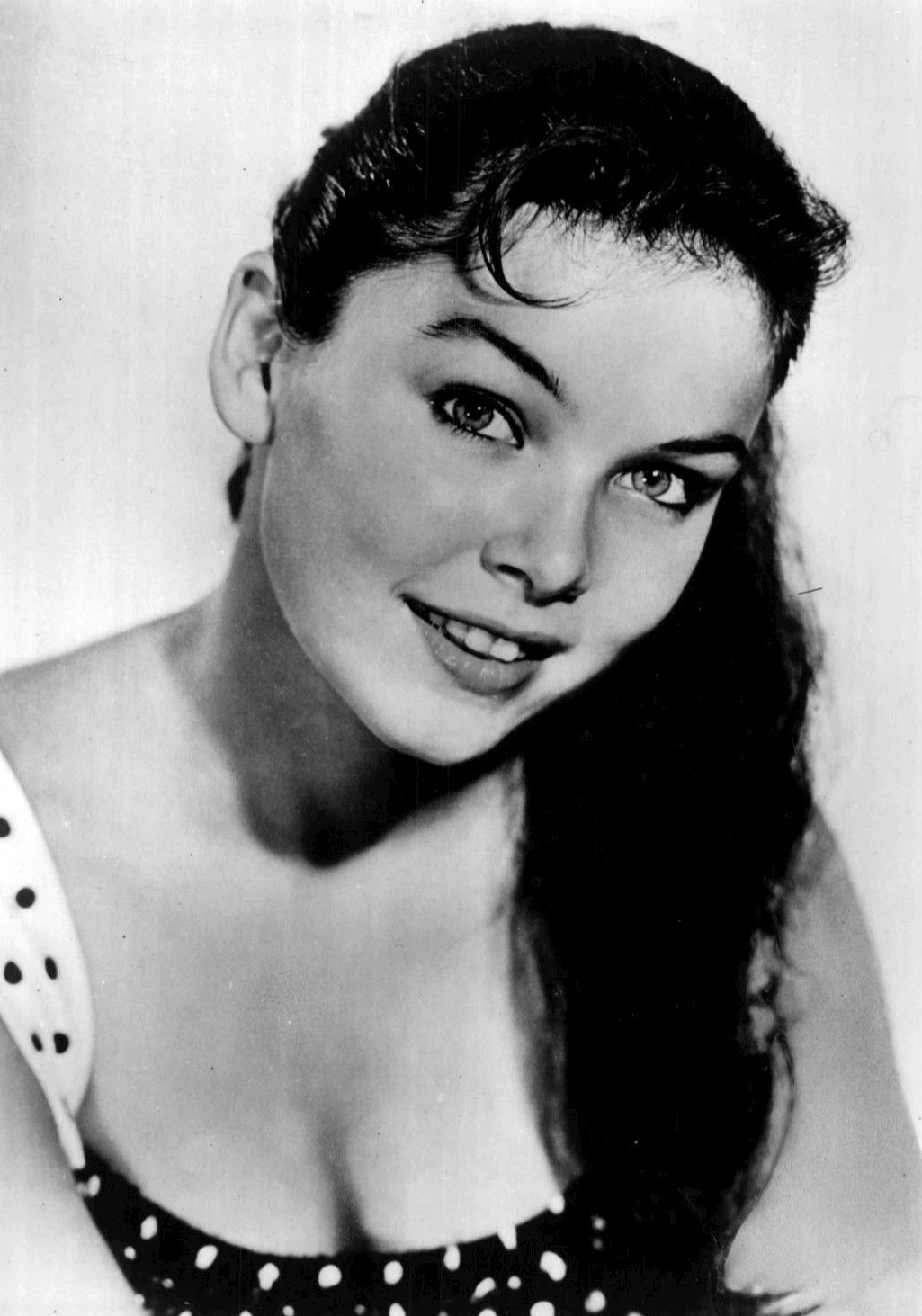

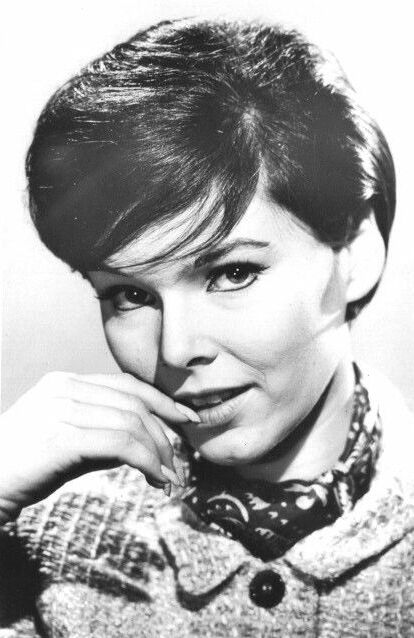


Early life and training
Craig was born on May 16, 1937, in Taylorville, Illinois, and grew up in Columbus, Ohio. As a young performer she studied classical dance and worked professionally as a dancer before focusing more on motion pictures and television. Her ballet background remained a defining characteristic of her screen presence, shaping the precision and movement she displayed on camera.
Screen career and notable roles
Craig appeared in numerous television programs and films throughout the 1950s and 1960s, often cast for parts that called for poise, athleticism or a strong physical presence. She attained international fame for joining the popular 1960s television series Batman as the costumed heroine Batgirl. The role made her an enduring figure in the era’s comic-book adaptations and helped broaden the portrayal of women in action-oriented television.
She also made a memorable guest appearance on Star Trek: The Original Series, portraying the Orion woman Marta in an episode that remains a frequent citation among fans of the show. That and other guest roles showcased her ability to move between genre television and light dramatic work.
Personal life
Craig married twice. Her first marriage, to entertainer Jimmy Boyd, lasted from 1960 until they divorced in 1962. Later in life she married Kenneth Aldrich in 1988; they remained together until her death. Her off-screen life was relatively private compared with her public persona.
Death and legacy
Yvonne Craig died on August 17, 2015, at age 78 at her home in Pacific Palisades, Los Angeles. The cause of death was breast cancer. She is remembered for bringing a dancer’s discipline to television acting and for creating one of the early live-action interpretations of a female comic-book superhero. Her Batgirl remains a touchstone in discussions of 1960s television, female representation in genre entertainment, and the crossover between dance and screen performance.
- Occupation: ballet dancer and actress
- Best known for: Batgirl on Batman and Marta on Star Trek
- Born: May 16, 1937 — Taylorville, Illinois
- Raised in: Columbus, Ohio
- Marriages: Jimmy Boyd (1960–1962), Kenneth Aldrich (m. 1988)
- Died: August 17, 2015 — Pacific Palisades, Los Angeles; cause: breast cancer
Author
AlegsaOnline.com Yvonne Craig: American ballet-trained actress best known as Batgirl Leandro Alegsa
URL: https://en.alegsaonline.com/art/133261