
Jimmy Boyd — American singer and actor best known for a 1950s Christmas hit
Jimmy Boyd (1939–2009) was an American singer and actor who rose to fame as a teenager for his recording of the Christmas novelty song "I Saw Mommy Kissing Santa Claus."
Jimmy Boyd was an American musician and actor who achieved national attention in the early 1950s as a teenage performer. Born James Boyd on January 9, 1939, in McComb, Mississippi, he began appearing in public as a child and quickly developed a following for his clear singing voice and natural stage presence. His recording of the Christmas novelty song "I Saw Mommy Kissing Santa Claus" became the defining moment of his early career and made him a familiar name in American popular music.
Boyd's breakthrough came while he was still in his early teens. The seasonal single attracted enormous public interest and established him as a youthful interpreter of popular tunes. The record sparked debate among some religious and community groups because of its playful depiction of a child misinterpreting an adult moment; that controversy was widely reported at the time and has since become part of the song's history. Regardless of the dispute, the song became a holiday standard and was reissued and covered by many later artists.
Image gallery
1 Image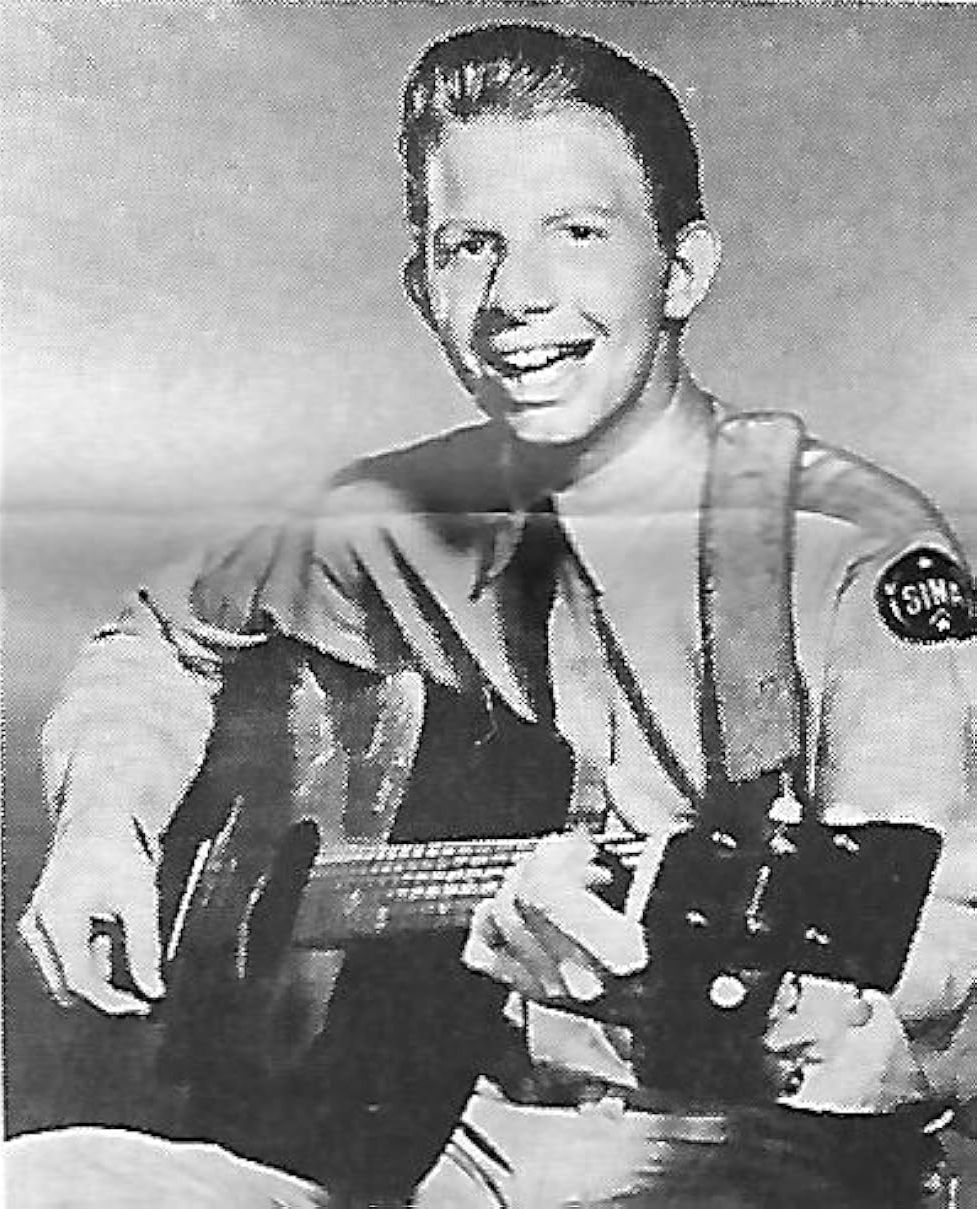
Career and artistic work
Throughout his life Boyd worked in multiple entertainment media. In addition to his recording work, he made appearances on radio and television programs and acted in stage and screen productions. While the Christmas hit remained his most widely recognized contribution, he continued to perform, record, and make public appearances well after his first success, sometimes revisiting holiday material and other popular songs from mid-20th-century American entertainment.
Legacy and notable facts
- Birth: January 9, 1939, McComb, Mississippi (place of birth).
- Best known recording: "I Saw Mommy Kissing Santa Claus" (early 1950s).
- Later life and death: Boyd died of cancer on March 7, 2009, in Santa Monica, California.
- Enduring status: the song remains a frequently played holiday novelty and has been included in many seasonal compilations and broadcasts.
Jimmy Boyd's career illustrates how a single popular recording can shape a performer's public identity while also contributing a durable piece to popular culture. His youthful performance of a cheeky holiday tune secured him a place in the history of American Christmas music and ensured that his name continued to be associated with the season for decades after the record's original release.
Related articles
Author
AlegsaOnline.com Jimmy Boyd — American singer and actor best known for a 1950s Christmas hit Leandro Alegsa
URL: https://en.alegsaonline.com/art/50263