
Yousaf Raza Gillani: Pakistani politician and prime minister (2008–2012)
Profile of Syed Yousaf Raza Gillani, a senior Pakistan Peoples Party leader who served as prime minister from 2008 until his 2012 disqualification, with background, career, controversies, and legacy.
Syed Makhdoom Yousaf Raza Gillani is a Pakistani politician born on June 9, 1952, in Karachi. He rose through the ranks of the Pakistan Peoples Party (PPP) to become the party's vice chairman and led a coalition government as the country's prime minister from March 2008 until his removal in June 2012. Gillani is often noted as the first prime minister drawn from the Seraiki-speaking region of southern Punjab, a distinction that shaped his political identity and base of support.
Image gallery
10 Images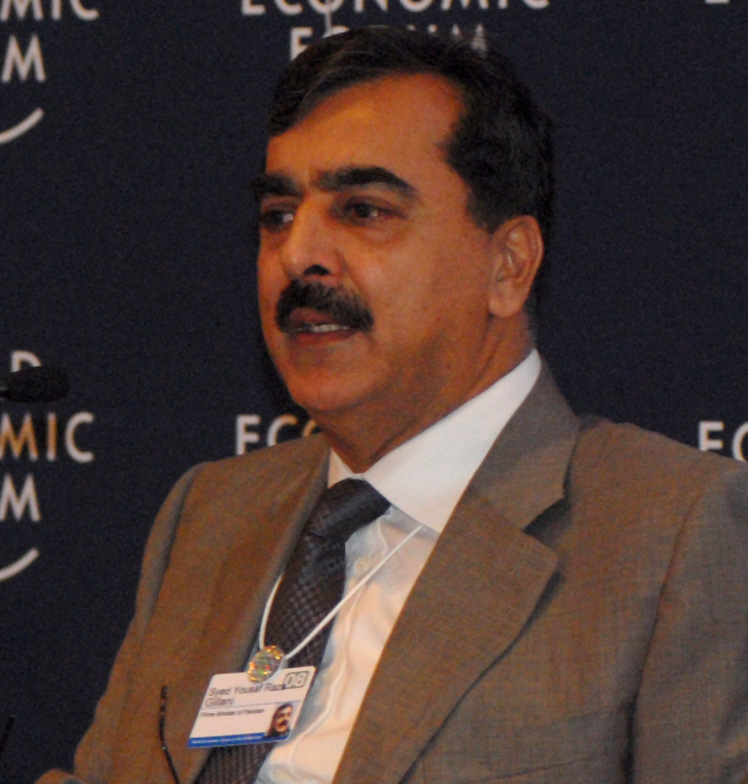


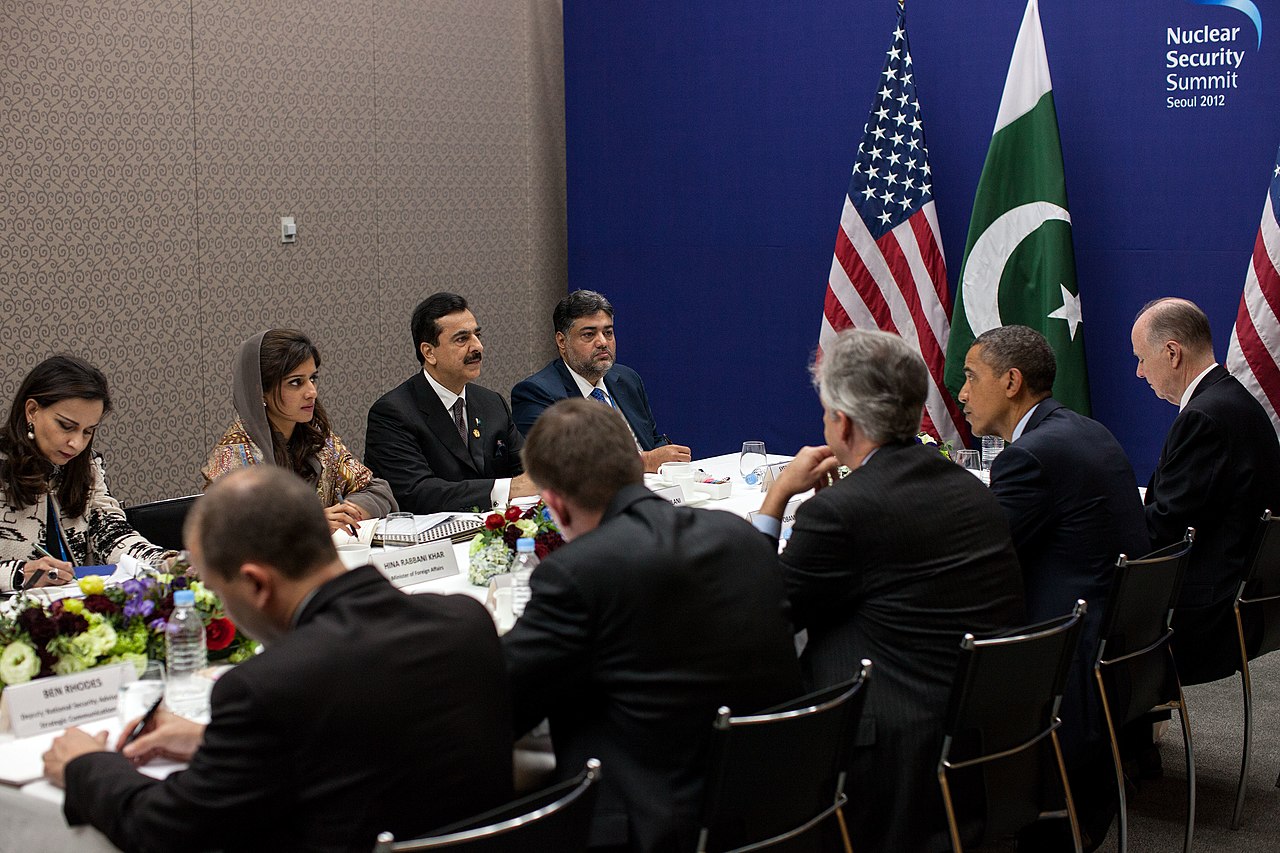

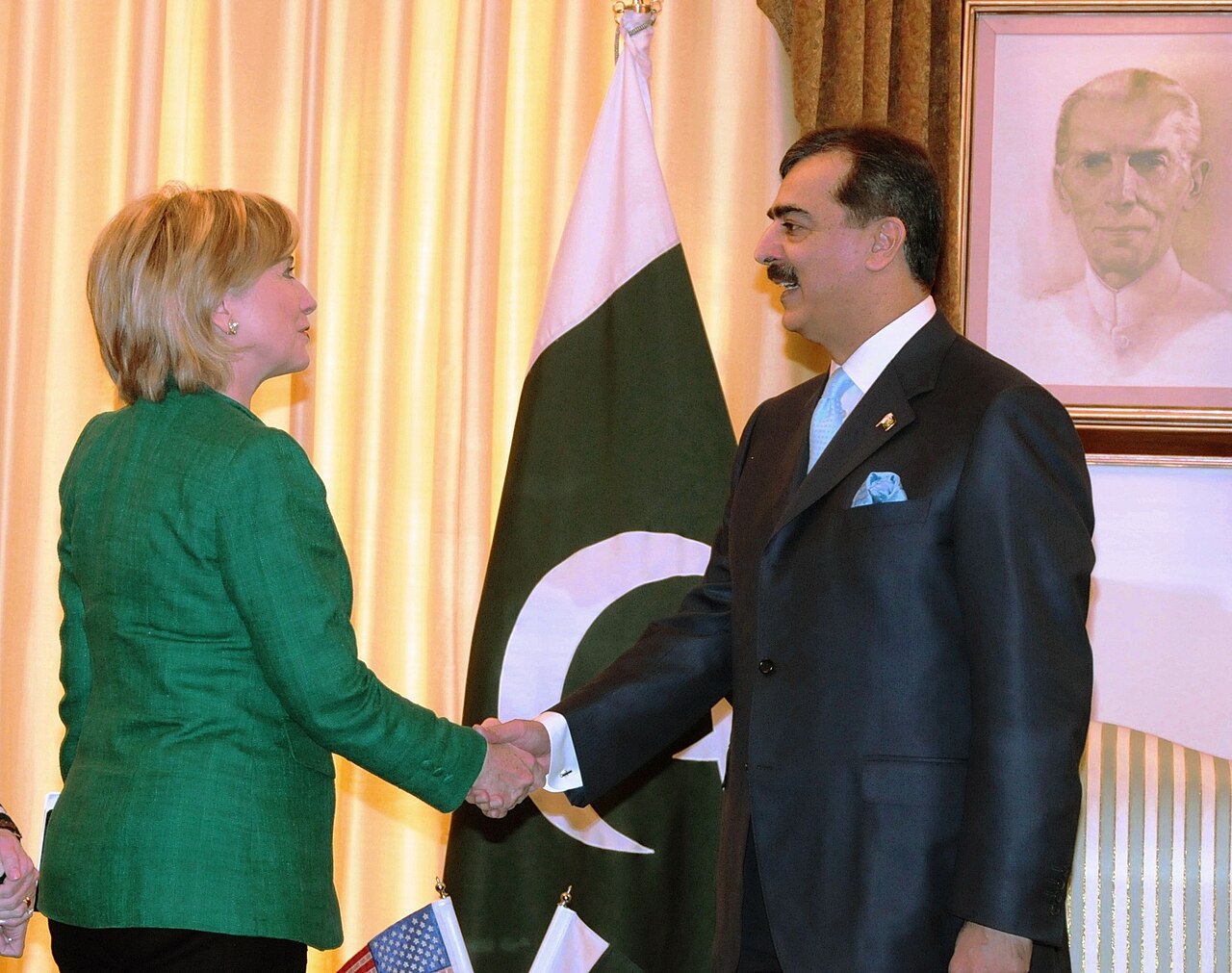


Early career and parliamentary roles
Gillani began his national political career in the 1980s and held ministerial office at the federal level in the mid-1980s. He served as Speaker of the National Assembly from 1993 to 1997, a role that familiarized him with parliamentary procedure and coalition management. Over decades he established ties across party lines and built a reputation as a consensus-oriented leader within the PPP. His experience in legislative and executive posts prepared him for the coalition-building that followed the 2008 general election.
Premiership (2008–2012)
After the 2008 elections, Gillani was nominated by the PPP with backing from several coalition partners and was formally put forward on 22 March 2008. He took the oath of office three days later, administered by President Pervez Musharraf on 25 March 2008. As prime minister, Gillani led a diverse coalition and confronted a range of challenges, including efforts to revive the economy, manage internal security, and oversee civilian rule during a period of intense political competition with the judiciary and other institutions. His government pursued reconstruction and social programs but also faced persistent political fragmentation and public criticism over governance.
Controversies and legal proceedings
Gillani's tenure ended amid high-profile legal conflict with Pakistan's Supreme Court. The court found him in contempt for failing to comply with an order relating to corruption investigations, and in June 2012 he was disqualified from office. The judicial action that led to his removal was tied to broader probes of graft and questions about executive compliance with court directives; Gillani and his supporters argued the disputes were politically charged. The PPP nominated other candidates to succeed him; an initial nominee, Makhdoom Shahabuddin, was arrested on separate allegations, and Raja Pervez Ashraf ultimately became prime minister. Gillani continued to face legal and political scrutiny after his removal.
Legacy and significance
Observers assess Gillani's legacy in mixed terms. Supporters emphasize his role as a bridge-builder for the PPP and as a representative of southern Punjab, while critics point to governance shortcomings and the legal crisis that cut short his premiership. His period in office is frequently discussed in studies of civil–judicial relations in Pakistan and of the difficulties of coalition governance in a polarized political environment. Even after leaving the premiership, Gillani remained an influential figure within his party and in national politics.
Selected facts
- Full name: Syed Makhdoom Yousaf Raza Gillani.
- Born: June 9, 1952, in Karachi.
- Major offices: Prime Minister (2008–2012) — formally listed as Prime Minister of Pakistan; Speaker of the National Assembly (1993–1997); federal minister in mid-1980s.
- Political party: Pakistan Peoples Party (vice chairman and senior leader).
- Notable: First prime minister originating from the Seraiki-speaking belt of southern Punjab; removed from office after a Supreme Court contempt ruling in 2012.
For a concise chronological account and primary documents related to his time in office, consult official parliamentary records and reputable analyses of Pakistani politics. Further reading can help place Gillani's career in the wider context of Pakistan's post-2000 political developments and the evolving relationship between elected governments and the judiciary.
Questions and answers
Q: Who was the 16th Prime Minister of Pakistan?
A: Syed Makhdoom Yousaf Raza Gillani was the 16th Prime Minister of Pakistan.
Q: What political party nominated him for prime minister?
A: He was nominated by the Pakistan Peoples Party (PPP), with the support of coalition partners, including the Pakistan Muslim League (N), Awami National Party, Jamiat Ulema-e-Islam (F) and Muttahida Qaumi Movement.
Q: When did he take office as prime minister?
A: He took office on 25 March 2008 after taking his oath from President Pervez Musharraf.
Q: What is Gilani's background?
A: Gilani is from a Seraiki-speaking belt in Pakistan and is also the vice chairman of the PPP.
Q: Why did he leave office as prime minister?
A: He left office on 26 April 2012 due to white-collar crime charges and was officially ousted from premiership by the Supreme Court of Pakistan on 19 June 2012 due to corruption charges.
Q: What happened to his replacement candidate for prime minister?
A: His replacement candidate, Makhdoom Shahabuddin, was arrested on alleged drug trafficking in collaboration with Gillani's son.
Author
AlegsaOnline.com Yousaf Raza Gillani: Pakistani politician and prime minister (2008–2012) Leandro Alegsa
URL: https://en.alegsaonline.com/art/133208