
Yasuhiro Nakasone: Japanese Prime Minister and Conservative Reformer (1918–2019)
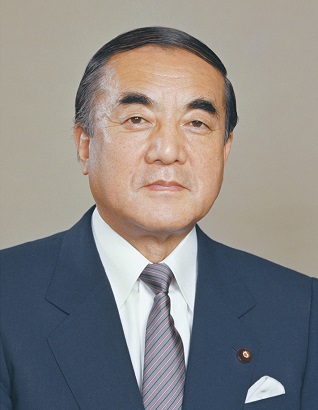
Yasuhiro Nakasone (1918–2019) led Japan as prime minister from 1982 to 1987. He is remembered for privatizing state enterprises, strengthening ties with Western leaders, and promoting a renewed sense of national pride.
Yasuhiro Nakasone (May 27, 1918 – November 29, 2019) was a prominent Japanese politician who served as prime minister from 27 November 1982 until 6 November 1987. A leading figure in the Liberal Democratic Party, he presided over a period of economic strength and international engagement for Japan. In later life he became noted for his longevity, celebrating his 100th birthday in 2018, and for living to age 101.
Nakasone’s time in office is best known for efforts to downsize and modernize the role of the state in the economy. His administration pushed through a program of privatizations and structural reform that reduced direct government ownership of major enterprises and sought to introduce market disciplines and efficiency. Those measures included the reorganization and sale of parts of state-run corporations and reforms intended to curb bureaucratic overlap and encourage private-sector dynamism.
On foreign policy, Nakasone pursued a close relationship with Western leaders while promoting a more assertive international posture for Japan. He cultivated personal ties with figures such as Ronald Reagan and Margaret Thatcher, and worked to strengthen the U.S.–Japan security alliance at a time when global tensions and economic competition were shaping international affairs. His government increased Japan’s diplomatic visibility and sought to align the country’s strategic and economic interests with close partners.
Domestically he encouraged renewed expressions of national confidence. Nakasone advocated educational reforms and public discourse that placed greater emphasis on patriotic sentiment and Japan’s modern achievements. Those positions stimulated debate: supporters credited him with restoring pride and cohesion, while critics warned that some initiatives could underplay wartime responsibilities or shift public memory in controversial directions.
Assessments of his legacy are mixed but influential. He is widely credited with helping to modernize the Japanese state-sector economy and for raising Japan’s diplomatic profile in the 1980s. At the same time, his nationalism and conservative reforms provoked debate among historians, politicians and the public. After leaving office he remained an elder statesman and a frequent commentator on policy issues until old age.
Image gallery
10 Images


Notable policies and milestones
- Privatization and restructuring of major state-owned enterprises and public corporations.
- Administrative reforms aimed at reducing redundancy and promoting efficiency.
- Strengthening of the Japan–U.S. security alliance and active diplomacy with Western leaders.
- Promotion of patriotic education and a renewed national discourse on postwar identity.
Further reading and resources
- Biographical overview
- Political career and party affiliations
- Term as prime minister (1982–1987)
- Relations with Brian Mulroney
- Relations with Ronald Reagan
- Relations with Helmut Kohl
- Relations with François Mitterrand
- Relations with Margaret Thatcher
- Relations with Mikhail Gorbachev
- Privatization programs
- Nationalism and public debate
- Centenary and late life
- Death and obituaries
For a concise understanding of Nakasone’s impact, consider both the economic reforms he championed and the cultural-political conversations he encouraged. His premiership remains a reference point for debates about the proper balance between state responsibility, private enterprise and national identity in modern Japan.
Author
AlegsaOnline.com Yasuhiro Nakasone: Japanese Prime Minister and Conservative Reformer (1918–2019) Leandro Alegsa
URL: https://en.alegsaonline.com/art/133145