
William II of the Netherlands
King of the Netherlands (1840–1849), military leader at Waterloo, and author of the constitutional change of 1848 that established parliamentary government in the Netherlands.
Overview
William II (Willem Frederik George Lodewijk van Oranje-Nassau; born 6 December 1792) succeeded his father as King of the Netherlands in 1840 and reigned until his death in 1849. He also held the titles Grand Duke of Luxembourg and Duke of Limburg during his reign. His tenure bridged an era of conservative monarchy and the liberal constitutional reforms that reshaped Dutch government.
Image gallery
8 Images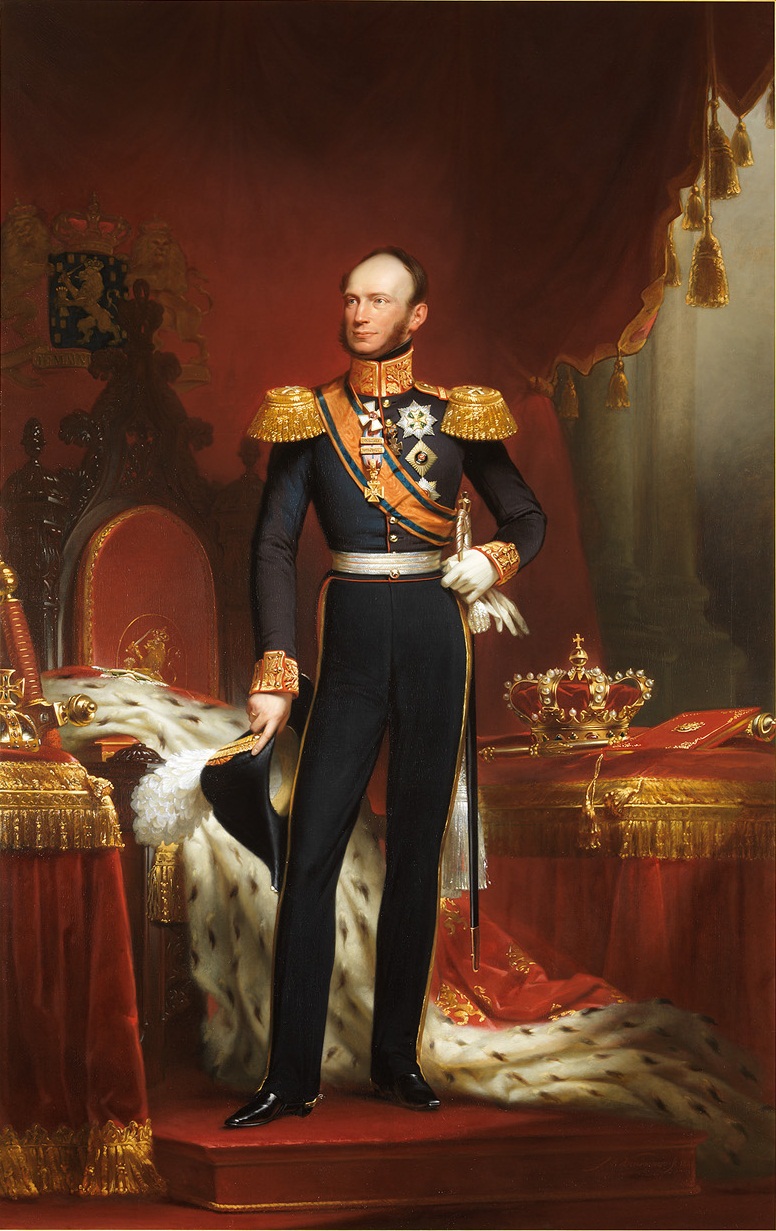


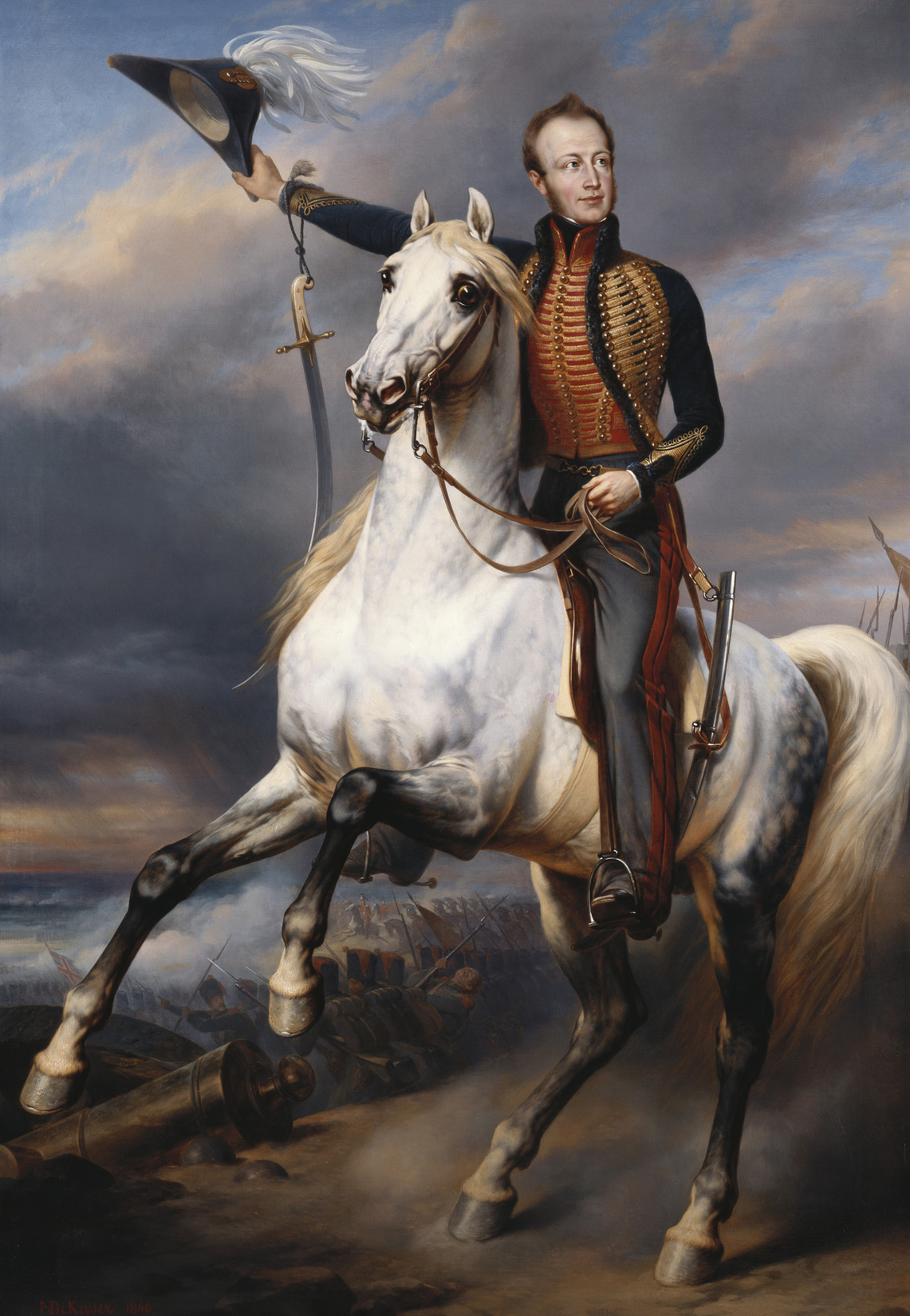

Early life and military career
Born into the House of Orange-Nassau, William II was raised in the turbulent Napoleonic era and pursued a military career. He is widely remembered for commanding Dutch troops at the Battle of Waterloo in 1815, fighting alongside allied forces that opposed Napoleon. His military service shaped his reputation and informed his approach to leadership in later years. For contemporary references to his birth and early records see primary sources.
Reign and constitutional reform
William became king after his father's abdication. Initially viewed as more conservative, he surprised many by responding pragmatically to the widespread revolutionary pressures of 1848. Facing demands for greater political representation, he authorized a revision of the constitution. He appointed the liberal statesman Johan Rudolf Thorbecke to draft reforms that limited royal power and introduced parliamentary responsibility, producing a lasting framework for Dutch parliamentary democracy. Contemporary timelines and constitutional documents can be consulted via historical collections.
Titles, family and personal life
As monarch he bore multiple titles reflecting the personal unions of the period: King of the Netherlands, Grand Duke of Luxembourg and Duke of Limburg. He married Anna Pavlovna of Russia and was the father of William III, who succeeded him. His descendants include Queen Wilhelmina; biographical links for his family appear at royal genealogies, succession records, and dynastic summaries.
Legacy and significance
- Military reputation established at Waterloo and in early 19th-century conflicts.
- Key figure in steering the Netherlands from monarchical authority toward constitutional parliamentary rule after 1848.
- Maintained the personal unions that placed Luxembourg and Limburg under his rule, shaping regional politics.
William II died in 1849. Historians generally portray him as a transitional monarch whose readiness to accept constitutional change helped stabilize the Netherlands during a tumultuous decade and set the stage for modern Dutch democracy.
Author
AlegsaOnline.com William II of the Netherlands Leandro Alegsa
URL: https://en.alegsaonline.com/art/132941