
William III (King of the Netherlands and Grand Duke of Luxembourg, 1849–1890)
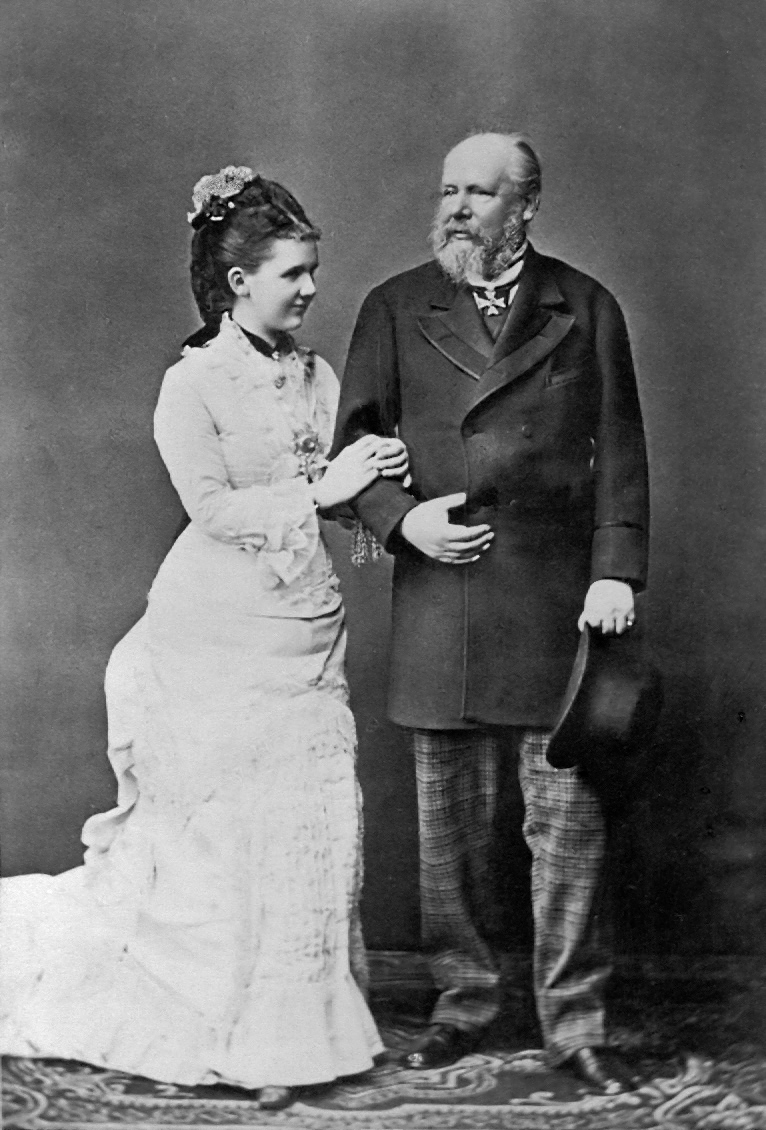
William III (1817–1890), King of the Netherlands and Grand Duke of Luxembourg from 1849 to 1890. His death brought Queen Wilhelmina to the Dutch throne and ended the personal union with Luxembourg.
William III of the Netherlands (Willem Alexander Paul Frederik Lodewijk; anglicised as William Alexander Paul Frederick Louis of Orange‑Nassau) was born on 19 February 1817 and died on 23 November 1890. He served as King of the Netherlands and, by virtue of the personal union of the crowns, as Grand Duke of Luxembourg from 1849 until his death in 1890.
Image gallery
6 Images


Background and reign
William III succeeded his father, William II, in 1849. His reign covered the second half of the 19th century and ended with his death in 1890. On his death the Dutch throne passed to his daughter, while the Grand Duchy of Luxembourg did not remain under the Dutch crown because Luxembourg followed different succession rules; the grand ducal title therefore moved to the Nassau branch of the family.
Family and succession
William III was married to Princess Emma of Waldeck and Pyrmont, who became regent after his death to support their young daughter. His only surviving child who reached the throne was Wilhelmina of the Netherlands, who became queen on his death. Wilhelmina was the mother of Juliana of the Netherlands, who in turn was the mother of Beatrix of the Netherlands. Beatrix is the mother of the present monarch, Willem-Alexander of the Netherlands.
Legacy
William III's reign is noted for its dynastic consequences: it produced a female succession in the Netherlands while ending the personal union with Luxembourg. He remains a significant figure in the 19th‑century history of the House of Orange‑Nassau and the modern Dutch monarchy.
Author
AlegsaOnline.com William III (King of the Netherlands and Grand Duke of Luxembourg, 1849–1890) Leandro Alegsa
URL: https://en.alegsaonline.com/art/132939