
William Desmond Taylor (1872–1922) — Irish-born silent film director and actor
Irish-born director and actor of the silent era, William Desmond Taylor was a prominent Hollywood figure whose 1922 murder remains unsolved and helped trigger renewed calls for industry oversight.
Overview
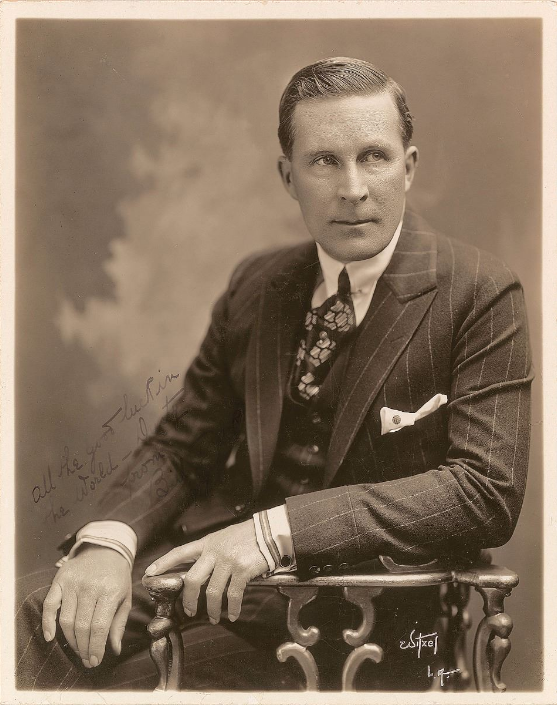
William Desmond Taylor, born William Cunningham Deane-Tanner in 1872, rose to prominence in Hollywood as both an actor and a director during the 1910s and early 1920s. He directed dozens of silent features and performed in numerous films, becoming a familiar and respected figure in the burgeoning motion picture community. His sudden death by gunshot in Los Angeles on 1 February 1922 became one of the era's most notorious unsolved crimes.
Image gallery
10 Images





Career and style
Taylor worked behind and in front of the camera, contributing to the rapid development of narrative filmmaking during the silent era. He is credited with directing many titles between 1914 and 1922 and appearing as an actor in earlier productions. Colleagues and contemporary accounts described him as a capable director with an eye for staging and actors, qualities that made him sought after in a fast-growing industry. For more on his acting credits see actor records and for directing credits see filmographies.
Murder and investigation
Taylor was found slain in his Los Angeles bungalow in February 1922. The killing triggered a wide-ranging police inquiry and intense tabloid coverage. Investigators interviewed many associates, and the press speculated about motives and suspects, but the case never produced a definitive arrest or conviction. The murder left lasting questions about the intersection of celebrity, private life and public scrutiny. Contemporary coverage and later summaries can be consulted via historical archives and Los Angeles-focused resources.
Consequences and legacy
The sensational nature of the case contributed to concerns about Hollywood's image in the early 1920s. Along with other scandals of the period, it helped prompt studios and the public to call for greater self-regulation and standards in filmmaking and publicity. Taylor's death also remains a subject of true-crime study, film history writing and periodic re-examinations by researchers and writers who probe the social context of early cinema. See general histories of Hollywood and silent-era studies for broader context.
Notable facts
- Born in Ireland in 1872 and later active in American cinema.
- Directed numerous silent films and acted in many early screen appearances.
- Murdered in 1922; case remains officially unsolved and is considered a cold case.
- The affair amplified debates about morality, celebrity and censorship in the film industry.
For archival material, film listings and contemporary newspaper accounts consult dedicated film history collections and databases; see also biographical summaries and period press archives at specialist repositories.
Author
AlegsaOnline.com William Desmond Taylor (1872–1922) — Irish-born silent film director and actor Leandro Alegsa
URL: https://en.alegsaonline.com/art/132906