
Willem Barents: Dutch Arctic navigator who sought the Northeast Passage
Willem Barents (c.1550–1597) was a Dutch navigator and Arctic explorer who led late-16th-century voyages searching for the Northeast Passage and whose name is attached to the Barents Sea and other Arctic features.
Overview
Willem Barents (often written Barentsz) was a Dutch pilot and navigator born on the island of Terschelling around 1550. He became known for a series of late 16th-century expeditions that attempted to find a Northeast Passage — a sea route from Europe to Asia along the Arctic coasts. Barents’s Arctic voyages expanded contemporary knowledge of high northern waters and coasts and left a lasting geographic legacy: the Barents Sea, Barentsburg and the wider Barents Region are named after him.
Image gallery
10 Images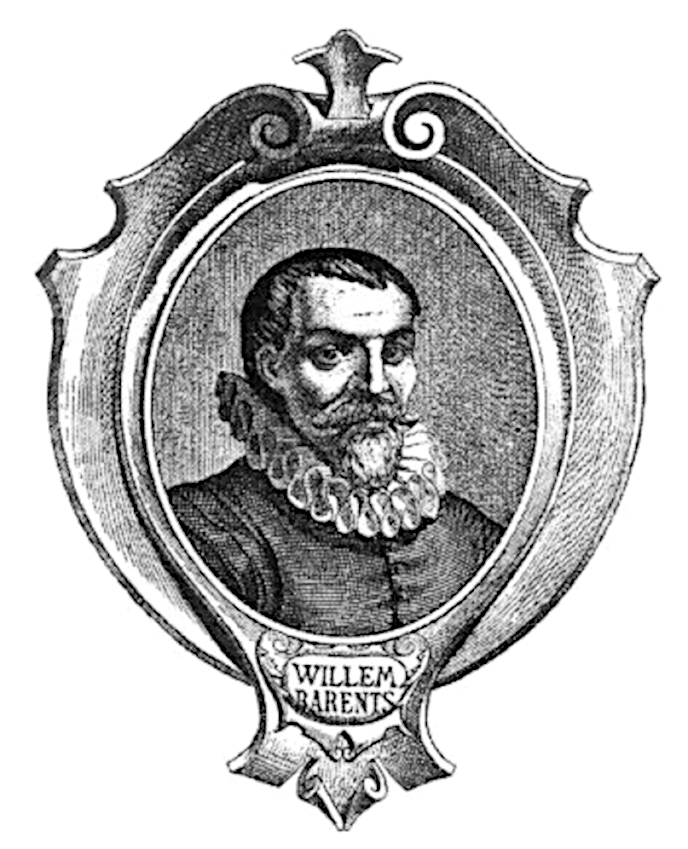



Voyages and discoveries
Between 1594 and 1596 Barents led three principal expeditions in search of a northern route to the Pacific and Asian markets. On these voyages his crews charted previously little-known islands and coasts, and encountered pack ice and extreme polar conditions that were poorly understood at the time.
- First voyage (1594): reconnaissance and initial attempts to follow an Arctic coastal route.
- Second voyage (1595): further exploration of northern waters; charts and observations improved.
- Third voyage (1596–1597): reached areas including Bear Island and Spitsbergen, and mapped parts of Novaya Zemlya’s coastline.
Overwintering on Novaya Zemlya
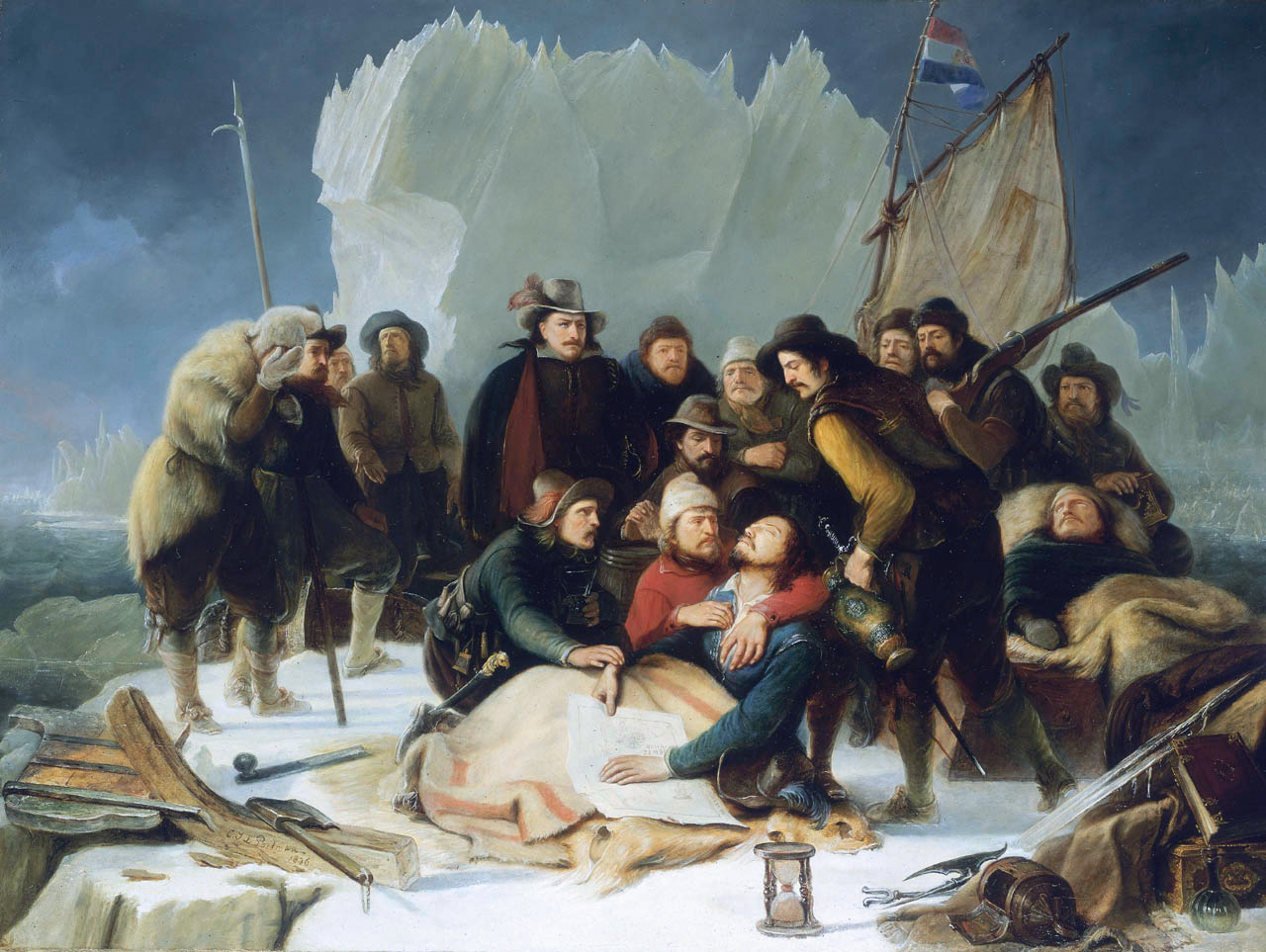
During the third expedition the ships became trapped by ice off Novaya Zemlya. Barents and his crew were forced to spend the winter ashore, improvising shelter and surviving in harsh conditions. They built a wooden lodge often referred to by later writers as Het Behouden Huys (the preserved or saved house). The account of the winter survives in a contemporary journal by Gerrit de Veer, which remains a primary source about the ordeal.
Death and immediate aftermath
In the spring of 1597 the crew attempted to return home. Willem Barents did not survive the return journey and died on 20 June 1597 near Novaya Zemlya. His companions carried out burials and eventually some survivors made their way back to the Netherlands, where their written testimony and maps enhanced European understanding of the Arctic.
Legacy and significance
Barents’s expeditions are regarded as important early European efforts to explore the high Arctic. They provided practical information on sea ice, wind, and coastal conditions and led to place names that honor him. Modern references to Barents appear across geography, history and polar studies; his voyages are sometimes cited in discussions of early navigation, maritime endurance, and the long search for polar sea routes.
For introductions and further reading, consult general works on Age of Exploration navigation and Arctic history. Contemporary summaries and editions of Gerrit de Veer’s journal also offer direct testimony of the voyages and the winter on Novaya Zemlya. For brief online references see a general entry on Barents as a Dutch explorer.
Author
AlegsaOnline.com Willem Barents: Dutch Arctic navigator who sought the Northeast Passage Leandro Alegsa
URL: https://en.alegsaonline.com/art/132873