
Vern Ehlers: Physicist, Michigan Legislator, and U.S. Representative
Vern Ehlers (1934–2017) was a Republican U.S. Representative from Michigan (1993–2011), notable as the first research physicist elected to Congress and for his long record in state and local government.
Overview
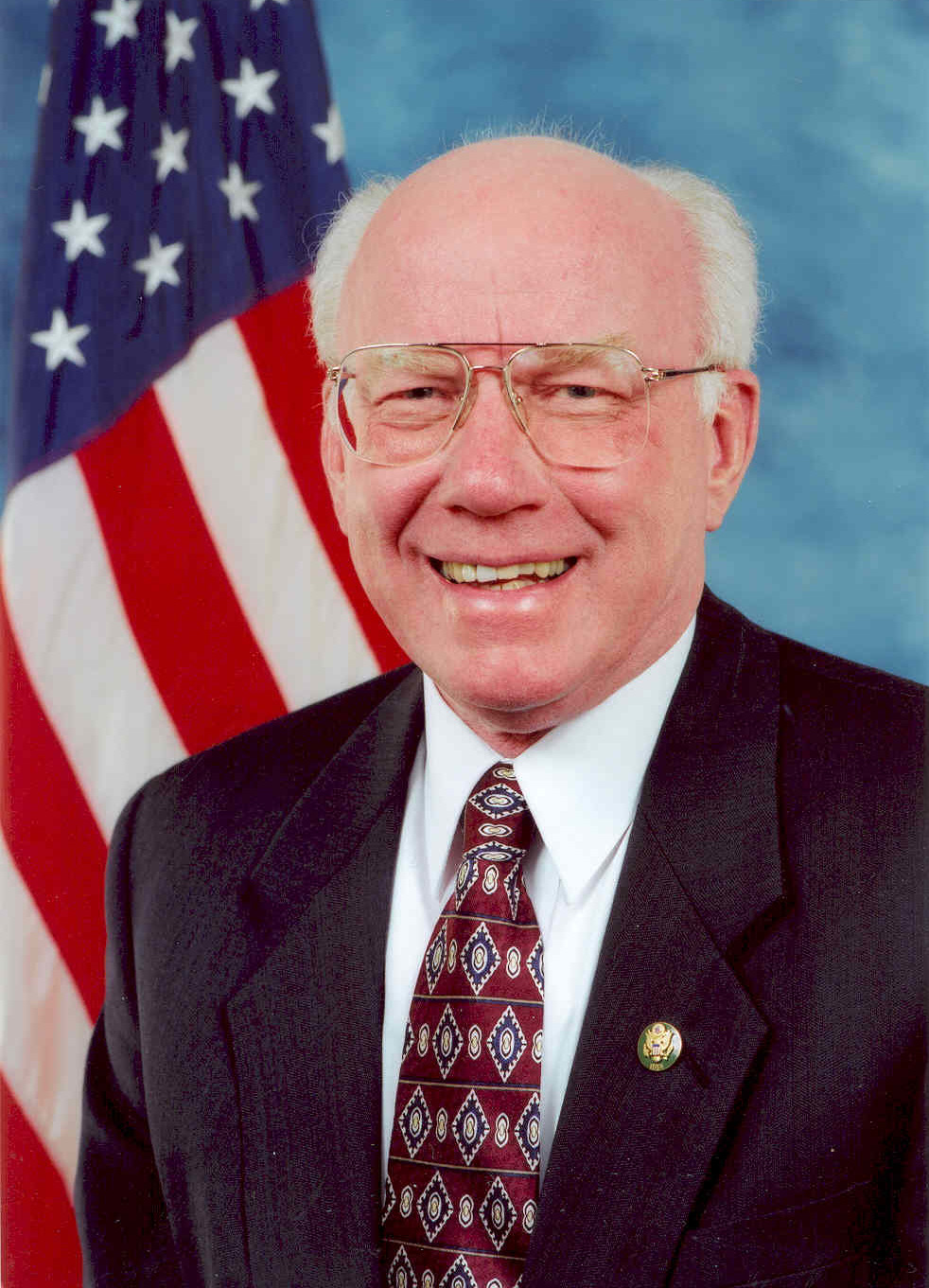
Vernon James "Vern" Ehlers (February 6, 1934 – August 15, 2017) was an American politician and public servant who represented Michigan's 3rd congressional district in the U.S. House of Representatives from 1993 until 2011. A member of the Republican Party, Ehlers combined a background in science with a long career in local and state government. During his decade-and-a-half in Congress he was known for attention to science and education policy as well as constituent services in the Grand Rapids area. For official congressional materials see U.S. Representative profile.
Image gallery
3 Images
Early career and public service
Ehlers began his public service at the county level, serving on the Kent County Board of Commissioners from 1975 to 1982. He then moved to state government, winning election to the Michigan House of Representatives (1983–1985) and subsequently to the Michigan Senate (1985–1993). This progression from local to state office built the political base that led to his election to the U.S. House in 1992. His time in Michigan government gave him familiarity with regional issues, state budgets and legislative process, which shaped his later work in Congress.
Science background and policy interests
Ehlers was widely recognized as the first research physicist elected to the U.S. Congress, a distinction that highlighted his scientific training and informed his approach to policy. The label of research physicist underscored his interest in evidence-based decision-making and science education. In Congress he frequently engaged with legislation at the intersection of science, technology and public policy. His presence in the House preceded and was later joined by other scientists-turned-legislators, including Rush Holt Jr. of New Jersey and Bill Foster of Illinois, each of whom also brought scientific backgrounds to legislative work.
Notable roles and accomplishments
Over his years in elected office Ehlers was valued for pragmatism and cross-partisan relationships. His contributions included attention to STEM education, federal research policy, and regional economic issues important to his district. Key points often highlighted by observers and colleagues include:
- Long tenure across county, state and federal offices, showing sustained electoral support and institutional knowledge.
- Advocacy for science literacy and education programs that prepared students for technical careers.
- A reputation for thoughtful, measured debate and constituent accessibility during his time in Congress.
Retirement, later life and death
Ehlers retired from the House in 2011 after nine terms and returned to private life in Michigan. In later years he faced health challenges. He died on August 15, 2017, in Grand Rapids, Michigan, from complications related to Alzheimer's disease at the age of 83. His career is often recalled for bridging scientific experience and public service, and for demonstrating that technical training can be applied to legislative work and civic leadership.
Author
AlegsaOnline.com Vern Ehlers: Physicist, Michigan Legislator, and U.S. Representative Leandro Alegsa
URL: https://en.alegsaonline.com/art/132514