
Bothnian Bay
Bothnian Bay is the northernmost part of the Gulf of Bothnia between Finland and Sweden—shallow, brackish, seasonally ice-covered and shaped by rapid land uplift; noted for its archipelagos and protected areas.
Overview
Bothnian Bay is the northernmost section of the Gulf of Bothnia. It lies between the coasts of Sweden and Finland and forms the upper end of the Baltic Sea basin. The bay is known for its brackish water, pronounced seasonal ice cover, large archipelagos and dynamic shoreline processes driven by post-glacial land uplift.
Image gallery
10 Images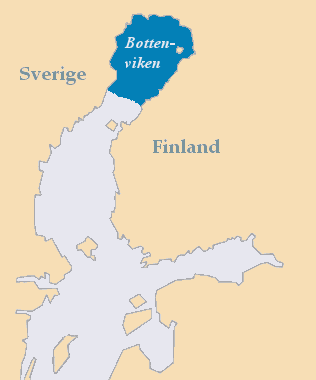



Geography and physical characteristics
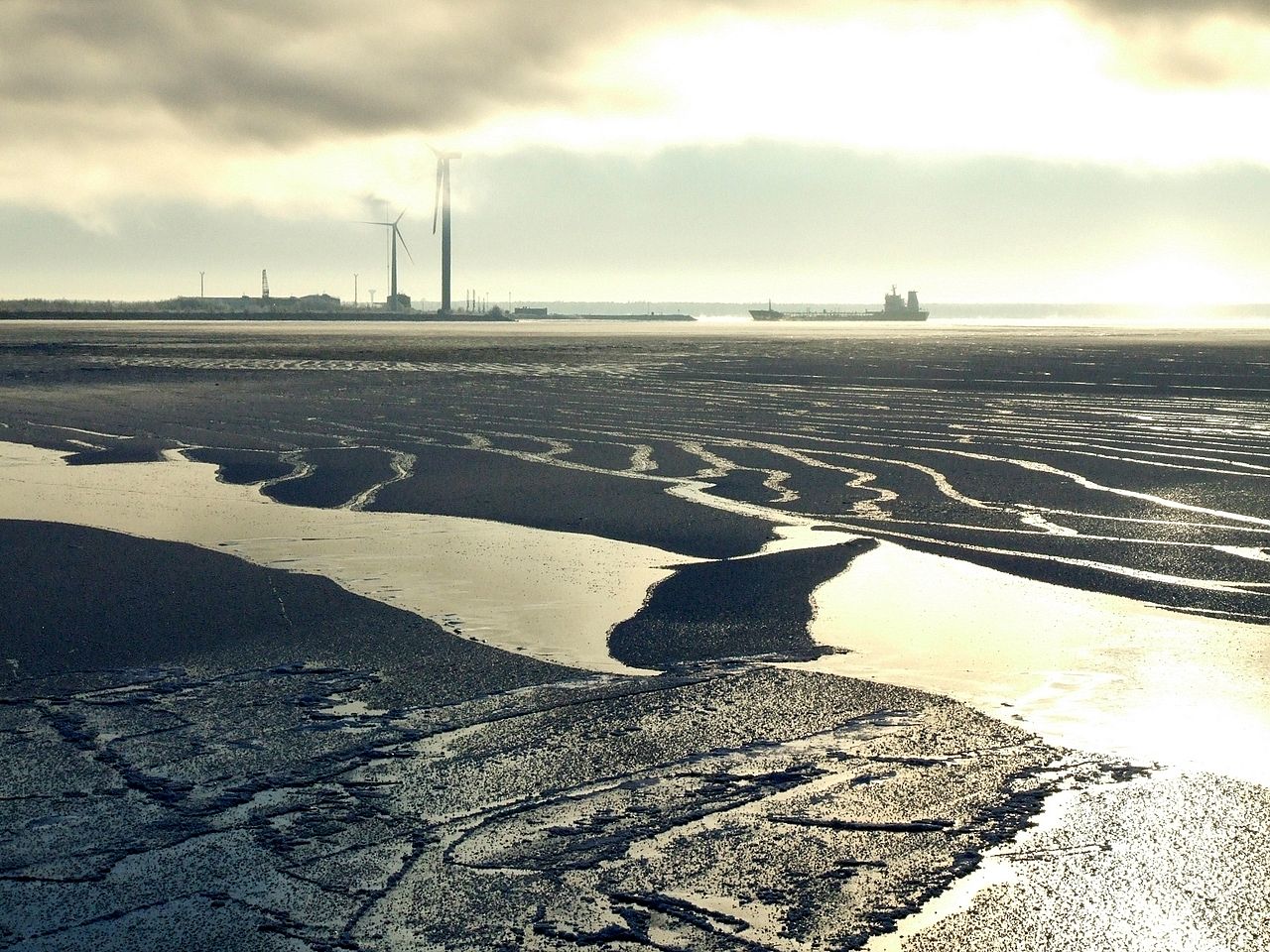
The bay occupies a broad shallow basin and transitions southward into the wider Gulf of Bothnia. Salinity in the bay is low compared with open oceans, which influences both water chemistry and ecology. Because winters are cold, much of the surface freezes regularly, and ice conditions have historically influenced navigation, settlement patterns and local industries.
Islands, uplift and notable places
The landscape includes numerous islands and skerries. The largest island in the bay is Hailuoto, which belongs to Finland and is the only permanently populated island in the bay. Many smaller islets are uninhabited and are steadily changing as the land rises after the last Ice Age, a process that continues to create new landforms and alter coastlines.
Ecology and protected areas
The bay supports a range of coastal and marine habitats adapted to brackish conditions. Birdlife is rich in the archipelagos during the breeding season, and seal populations use ice and coastal haul-outs. On the Finnish side, Perämeri National Park protects islands, shallow bays and bird nesting areas; the park highlights conservation of these fragile shallow-water ecosystems.
Human use and significance
Coastal communities on both sides of the bay have long relied on fishing, small-scale agriculture and maritime trade. Seasonal ice has required the use of icebreakers for winter shipping in modern times and has shaped traditional livelihoods. The bay also attracts recreation, birdwatching and nature tourism centered on its unique archipelagos and national park.
Names and distinctions
- The Swedish name for the bay is Bottenviken.
- The Finnish name is Perämeri.
- It is distinct from the southern Bothnian Sea and is separated from it by the Kvarken area; the bay’s combination of low salinity, seasonal ice and rapid uplift makes it ecologically and geologically notable.
Related articles
Author
AlegsaOnline.com Bothnian Bay Leandro Alegsa
URL: https://en.alegsaonline.com/art/13250