
Tony Benn
Tony Benn (1925–2014), British Labour politician, left-wing campaigner and diarist; first peer to renounce a hereditary title and a leading critic of war, inequality and undemocratic institutions.
Anthony Neil Wedgwood "Tony" Benn (3 April 1925 – 14 March 2014) was a prominent British Labour politician, writer and campaigner. Over a parliamentary career that spanned more than five decades he became one of the most recognisable figures of the Labour left, known for his advocacy of democratic socialism, civil liberties and public control of industry. He also played a central role in debates about hereditary privilege and the role of the House of Lords.
Image gallery
10 Images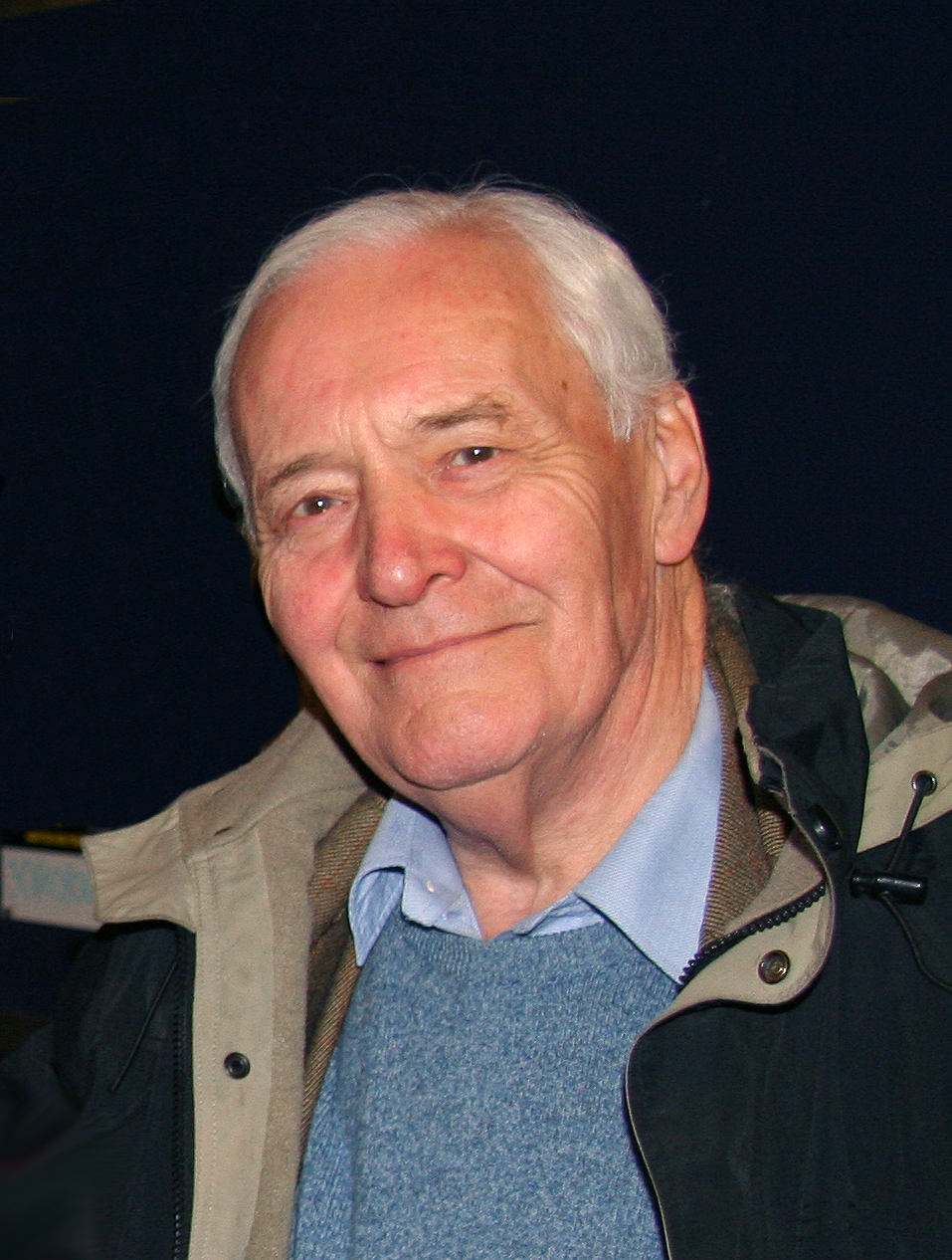


Early life and family
Benn was born in Marylebone, London, the son of William Wedgwood Benn, later 1st Viscount Stansgate. He was educated at Marlborough College and at New College, Oxford. In 1949 he married Caroline DeCamp; the couple had four children, Stephen, Hilary, Melissa and Joshua. In later life Benn described himself as an agnostic and adopted a vegetarian lifestyle from around 1970.
Parliamentary career and the peerage
Benn entered Parliament in 1950. When he inherited the title Viscount Stansgate on his father’s death in 1960 he was disqualified from the House of Commons. His determined campaign to remain an elected MP helped prompt the Peerage Act 1963, which for the first time allowed hereditary peers to disclaim their titles; Benn was the first to do so and returned to the Commons in a subsequent by-election. He served as a Cabinet minister in the governments of Harold Wilson, holding posts including Postmaster General and Minister of Technology in the 1960s.
Political views and activism
Throughout the 1970s and beyond Benn became a leading voice for the Labour left. He argued for expanded public ownership, industrial democracy, stronger workplace rights and greater internal party democracy. He opposed what he saw as undemocratic concentrations of power in both the state and business. In later decades he was an outspoken critic of military interventions and international institutions he believed undermined national democratic control.
Later life, writings and campaigns
After leaving ministerial office Benn remained a powerful presence in public life. He wrote extensive diaries and political books, gave frequent speeches and participated in broadcasts and debates. In 2001 he became President of the Stop the War Coalition and remained closely associated with anti-war organising until his death in 2014. His long-running publications and recorded speeches have been used as source material for scholars and activists studying post‑war British politics.
Legacy
Benn is remembered for his clear and consistent commitment to democratic socialism, for his role in changing the law on hereditary peerages, and for keeping alive debates about the balance between markets and public provision. Supporters admire his moral consistency and willingness to challenge his own party; critics fault some of his economic prescriptions as impractical. His diaries, speeches and campaigns left a lasting imprint on Labour politics and on public discussion of power and democracy in Britain.
Further reading and resources
- Full biography and timeline
- Parliamentary speeches and record
- Early life and family background
- Lists of ministerial appointments
- Collected writings and essays
- Interviews and broadcasts
- Personal beliefs and lifestyle
- Political philosophy and positions
- Role in the Peerage Act 1963
- Information on the Stop the War Coalition
- Archives, papers and further primary sources
Author
AlegsaOnline.com Tony Benn Leandro Alegsa
URL: https://en.alegsaonline.com/art/132173