
Timothy Leary: Psychologist, Psychedelic Advocate, and Cultural Icon
Timothy Leary (1920–1996) was an American psychologist and writer known for promoting research into psychedelics, coining countercultural slogans, and influencing 1960s cultural debates about drugs and consciousness.
Timothy Francis Leary (October 22, 1920 – May 31, 1996) was an American psychologist and public intellectual best known for his outspoken advocacy of psychedelic drugs as tools for personal and therapeutic exploration. Trained in psychology and active as an academic in the 1950s, Leary later gained wider attention as a writer and popular speaker who argued that substances such as LSD could produce profound changes in perception, mood, and belief. He remains a controversial figure whose career crossed academic research, media spectacle, and legal conflict.
Image gallery
9 Images




Early life and professional background
Born in Springfield, Massachusetts, Leary completed academic training in psychology and held teaching and research posts in the 1950s and early 1960s. During this period he published scholarly work and conducted experiments on personality and perception; his early lab-based studies brought him into contact with colleagues interested in altered states. He also wrote for a general audience and became known beyond academia as a provocative writer and public lecturer. Institutions and policies later clashed with his approach as he moved from controlled experiments to public advocacy.
Research, advocacy, and legal controversies
Leary’s reputation rests largely on his promotion of research into psychedelic substances and his contention that these drugs could have therapeutic, spiritual, and consciousness-expanding uses. He popularized succinct slogans such as "Turn on, tune in, drop out" that captured his view of disengagement from conventional expectations and exploration of inner life. His activities attracted legal scrutiny and personal legal problems as governments tightened controls on LSD and related compounds. Arrests, trials, and prison sentences marked his later life and contributed to debates about drug policy, civil liberties, and scientific freedom.
Cultural impact and public image
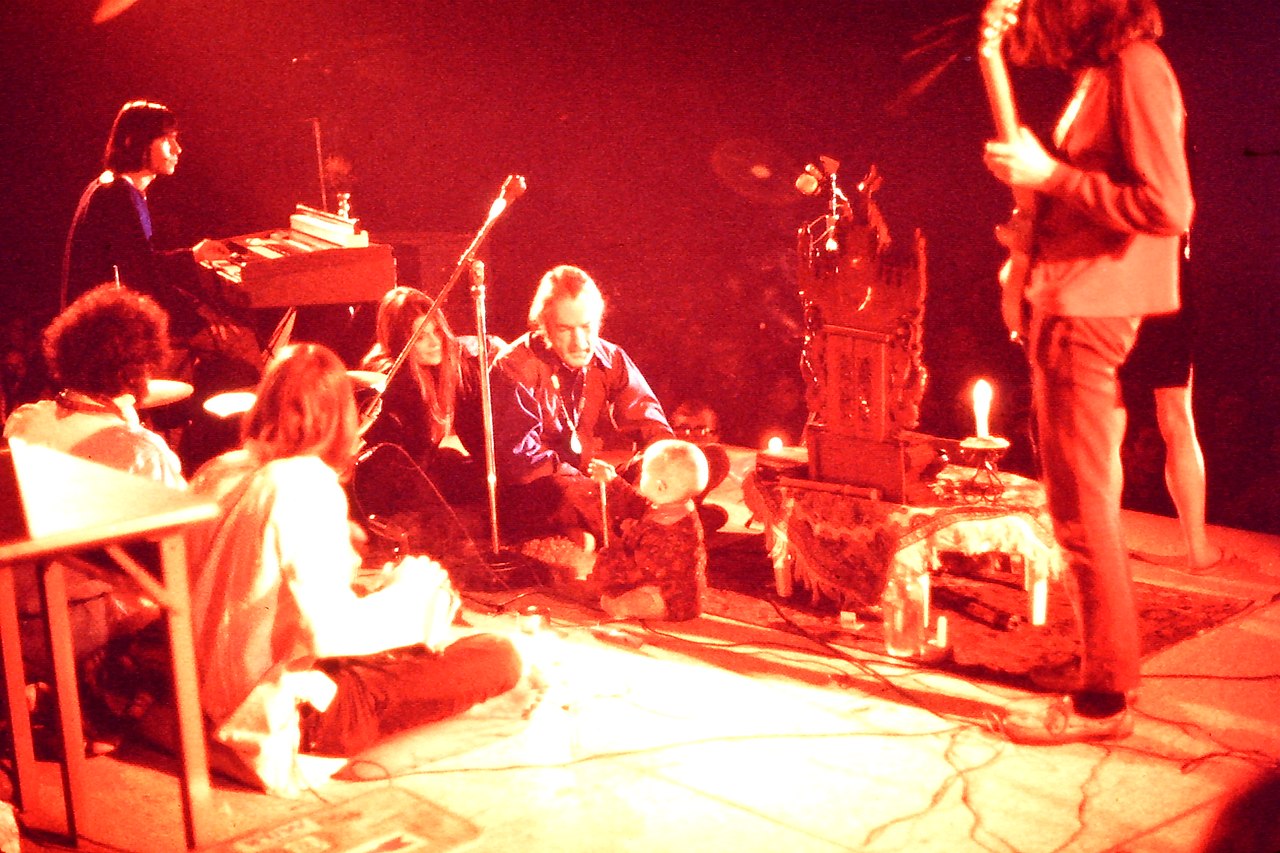
By the mid-1960s Leary had become a symbol of the broader counterculture movement, often portrayed in the media alternately as a guru, a menace, or a folk philosopher. Musicians, artists, and activists engaged with his ideas, and references to his name appear across popular culture of the era. He maintained a public identity as both a provocateur and a patient advocate for new approaches to psychotherapy and spiritual practice. His association with the 1960s is frequently discussed in histories of that decade and in studies of cultural change and drug policy.
Legacy and notable facts
- Leary’s writings and recorded talks contributed to continuing debates about the therapeutic potential of psychedelics and the ethics of their study.
- He has been discussed in biographies, documentaries, and academic analyses that seek to separate his scientific claims from his public persona.
- After his death, part of his remains were sent into space, an unusual posthumous detail that has been widely noted.
For further reading on his life and work consult biographical sources and critical studies that examine both the scientific contexts of early psychedelic research and the social dynamics of the 1960s. Helpful starting points include profiles of his career as a psychologist, collections of his essays and lectures, and historical accounts of the counterculture and the social history of the 1960s. More scholarly treatments consider his experimental methods and the controversies that followed his public advocacy; see materials on psychology and drug policy as well as collections of personal papers and interviews archived in academic repositories and media collections about his writings and about his academic work. For general context on how his story entered popular imagination, cultural histories and documentaries provide accessible overviews and related summaries.
Author
AlegsaOnline.com Timothy Leary: Psychologist, Psychedelic Advocate, and Cultural Icon Leandro Alegsa
URL: https://en.alegsaonline.com/art/131908