
Thabo Mbeki
South African politician and statesman who served as president from 1999 to 2008, played a leading role in African Union formation, and remains a prominent and controversial figure in post-apartheid politics.
Overview
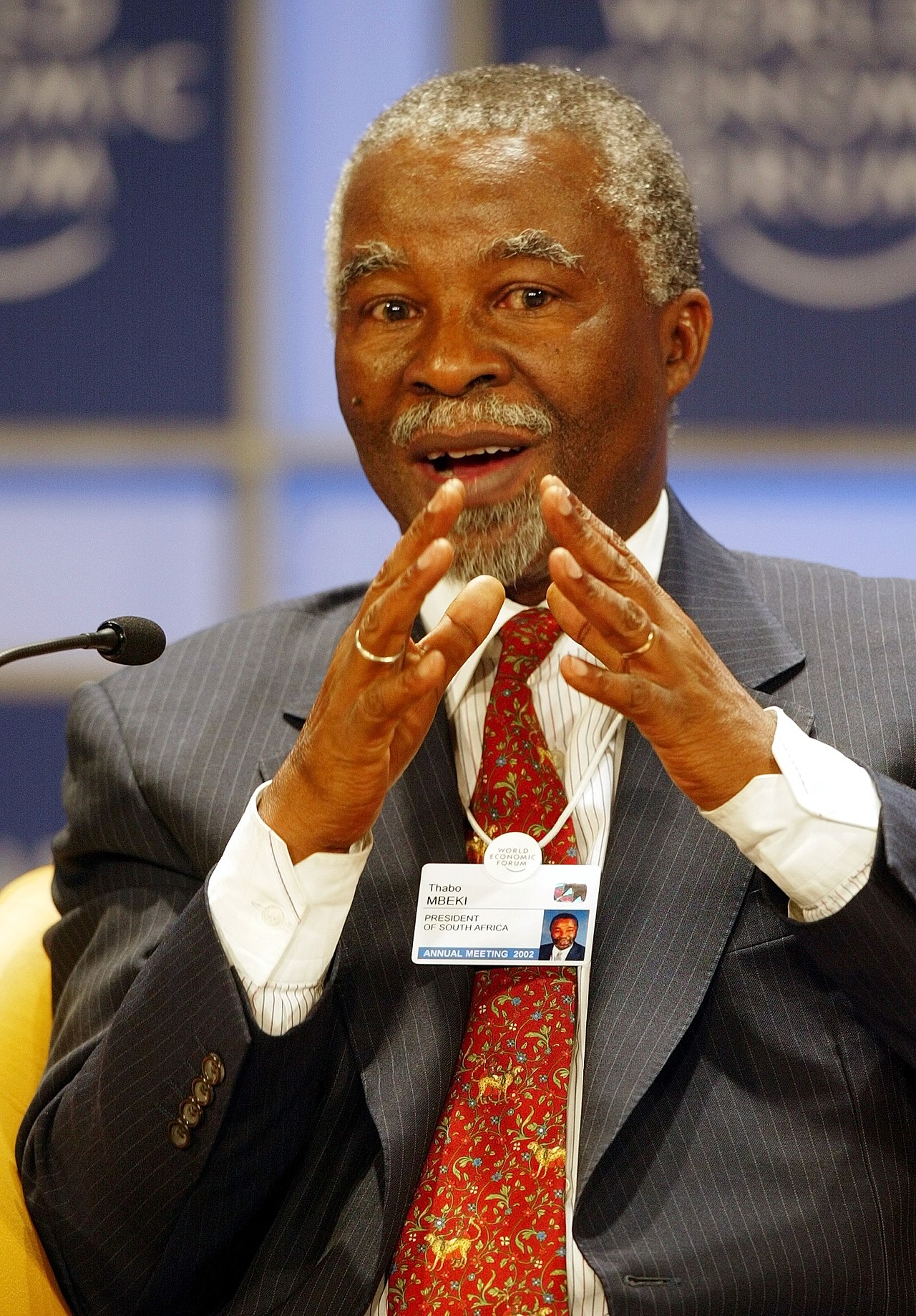
Thabo Mvuyelwa Mbeki (born 18 June 1942) is a South African politician and public intellectual who served as the second President of the Republic of South Africa from 14 June 1999 until his resignation on 24 September 2008. A senior leader of the African National Congress (ANC), Mbeki was a formative figure in the country’s transition from apartheid, having held the post of Deputy President under Nelson Mandela before becoming president himself.
Image gallery
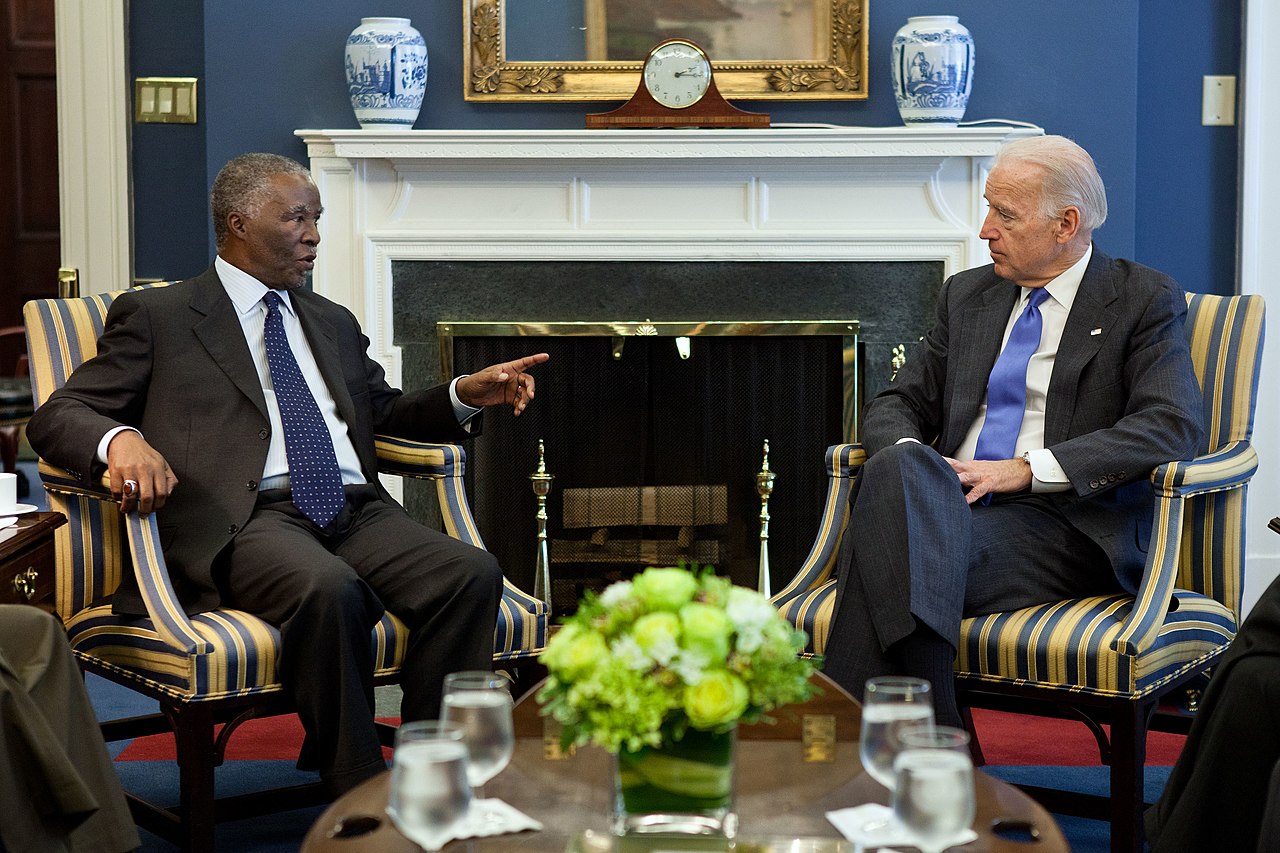
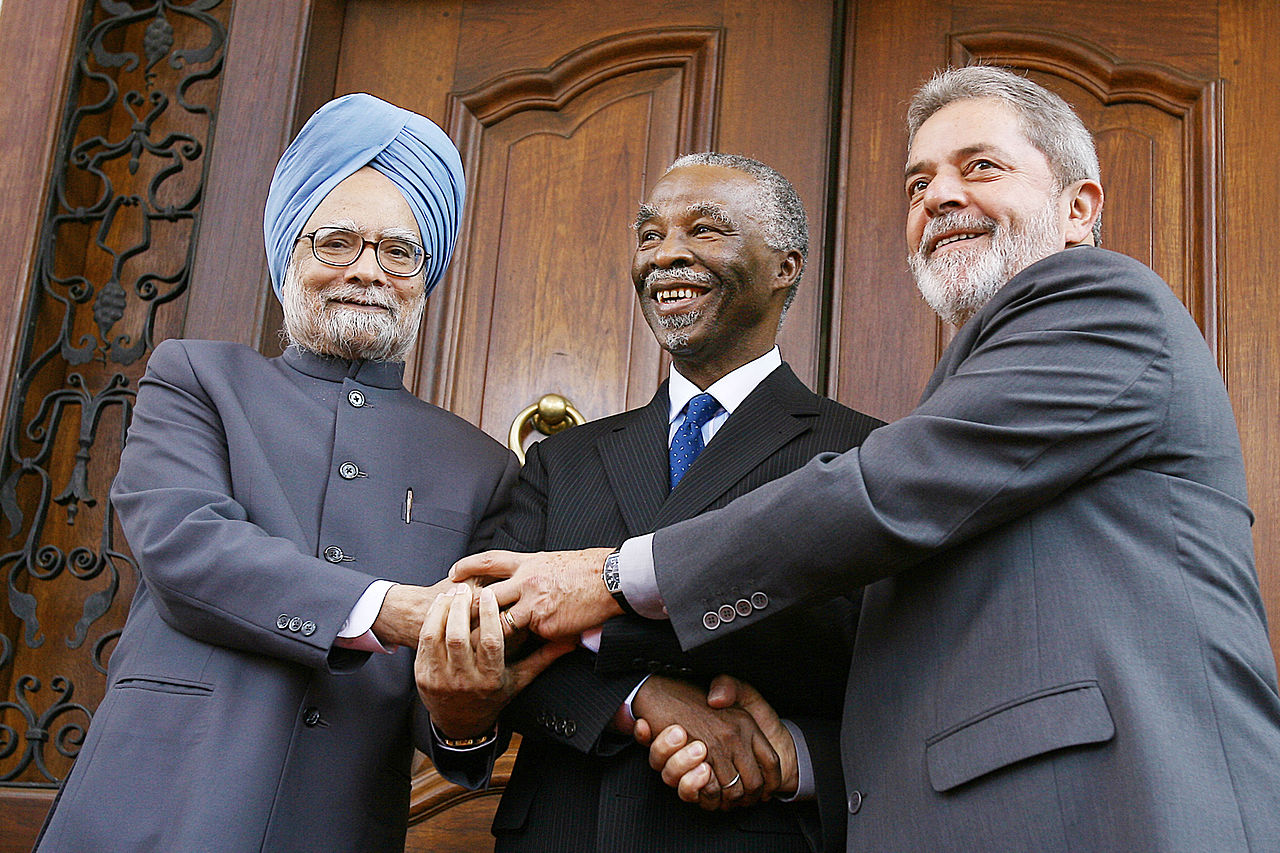
10 Images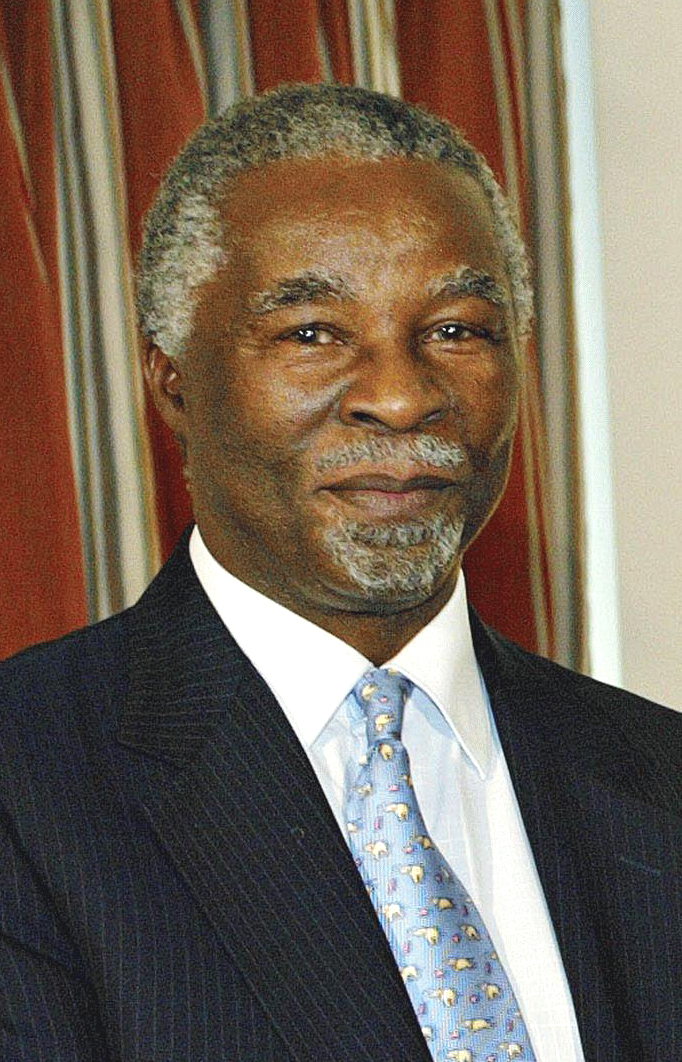






Early life and education
Mbeki was born in Mbewuleni, in what was then the Cape Province of the Union of South Africa. He spent much of his adult life in exile while working for the ANC and studying in the United Kingdom. He pursued economics studies at institutions including the University of London and the University of Sussex, developing an intellectual profile that emphasized African development, Pan-Africanism and a market-friendly approach to economic policy. In 1974 he married Zanele Dlamini in the United Kingdom.
Political career and leadership
After the end of apartheid, Mbeki served as Deputy President (1994–1999) and then as President for two terms. His administration promoted policies intended to attract investment and expand economic opportunities for black South Africans, while also sponsoring continental initiatives. In July 2002 he became the first chairperson of the revived African Union (African Union), using that platform to advocate African solutions to African problems and to foster regional cooperation.
Policies, achievements and controversies
Mbeki’s tenure is associated with efforts to modernize the economy, encourage private-sector growth, and support programs such as Black Economic Empowerment. He was a leading proponent of the New Partnership for Africa’s Development (NEPAD) and played an active role in diplomacy across the continent, including mediation efforts in neighbouring states.
At the same time, his presidency drew sustained criticism. The administration’s response to the HIV/AIDS epidemic attracted strong disapproval from many scientists, activists and international observers over delays in widely expanding antiretroviral treatment and skepticism expressed by some in his inner circle. Domestically, political tensions culminated in a judicial finding that raised questions about perceived interference in a prosecution connected to a prominent ANC rival. Following that judgment and pressure from party structures, the ANC’s National Executive Committee requested his resignation, and he stepped down with several months remaining in his second term.
Legacy and notable facts
- Served as South African President from 1999 to 2008 and as Deputy President from 1994 to 1999.
- First chairperson of the African Union after its establishment in the early 2000s.
- Known for combining pro-market economic policies with programs aimed at reducing racial inequalities.
- Remains a controversial figure because of the HIV/AIDS policy record and the circumstances surrounding his recall and resignation.
- Continues to be cited in discussions of African governance, diplomacy and development strategy.
For further reading on his life and work, consult biographies and analyses that examine both his policy initiatives and the debates they provoked within South Africa and across the continent. His career encapsulates many of the achievements and tensions of the first decades of South Africa’s democracy.
More on Mbeki | South Africa | African Union | ANC | University links
Author
AlegsaOnline.com Thabo Mbeki Leandro Alegsa
URL: https://en.alegsaonline.com/art/131735